
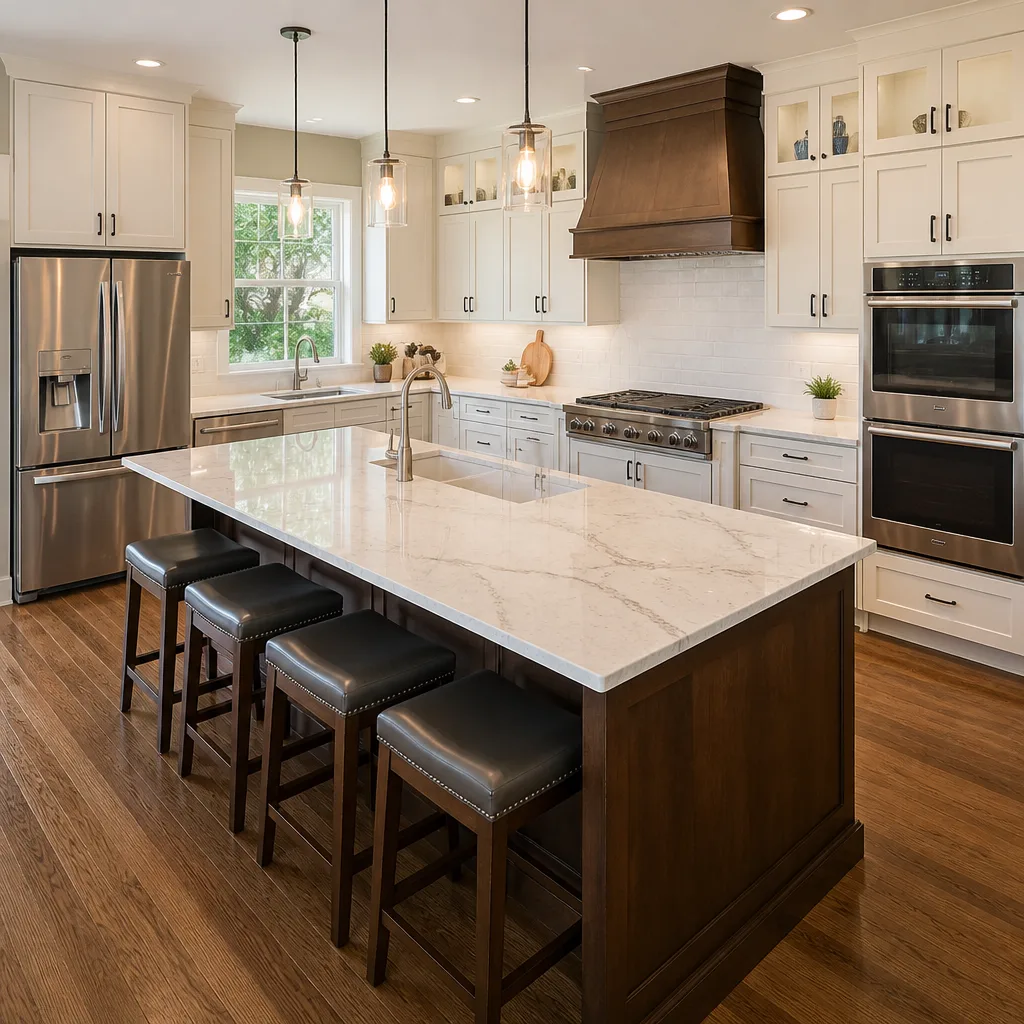
 Kitchen remodeling
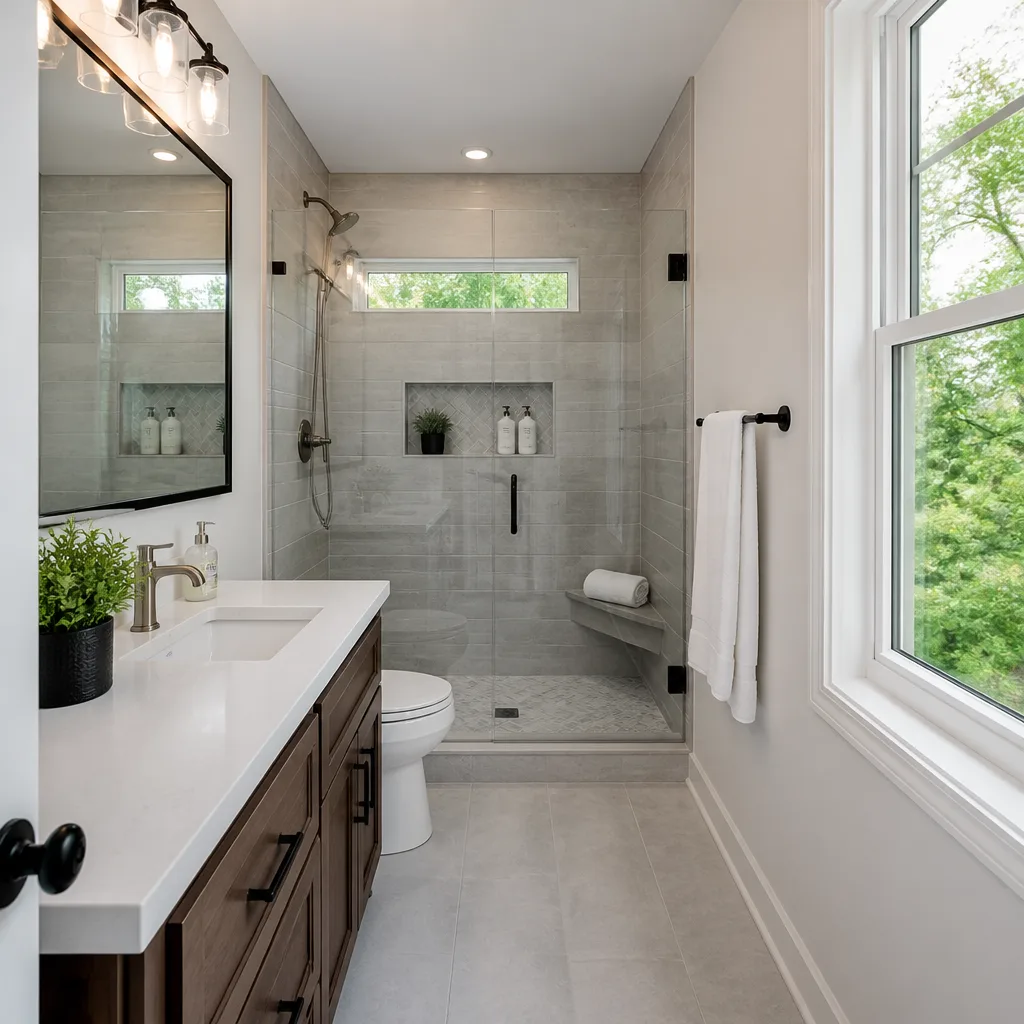 Bathroom remodeling
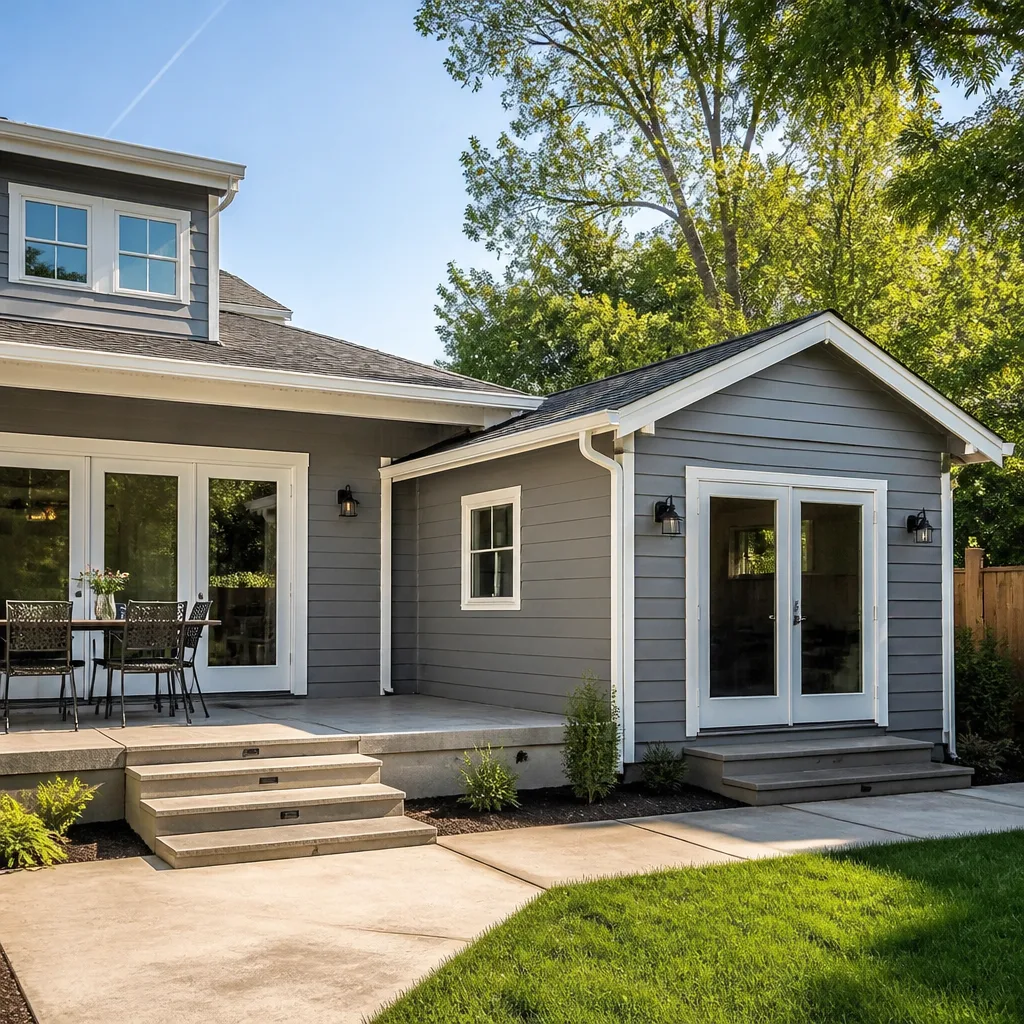 Home additions & ADU
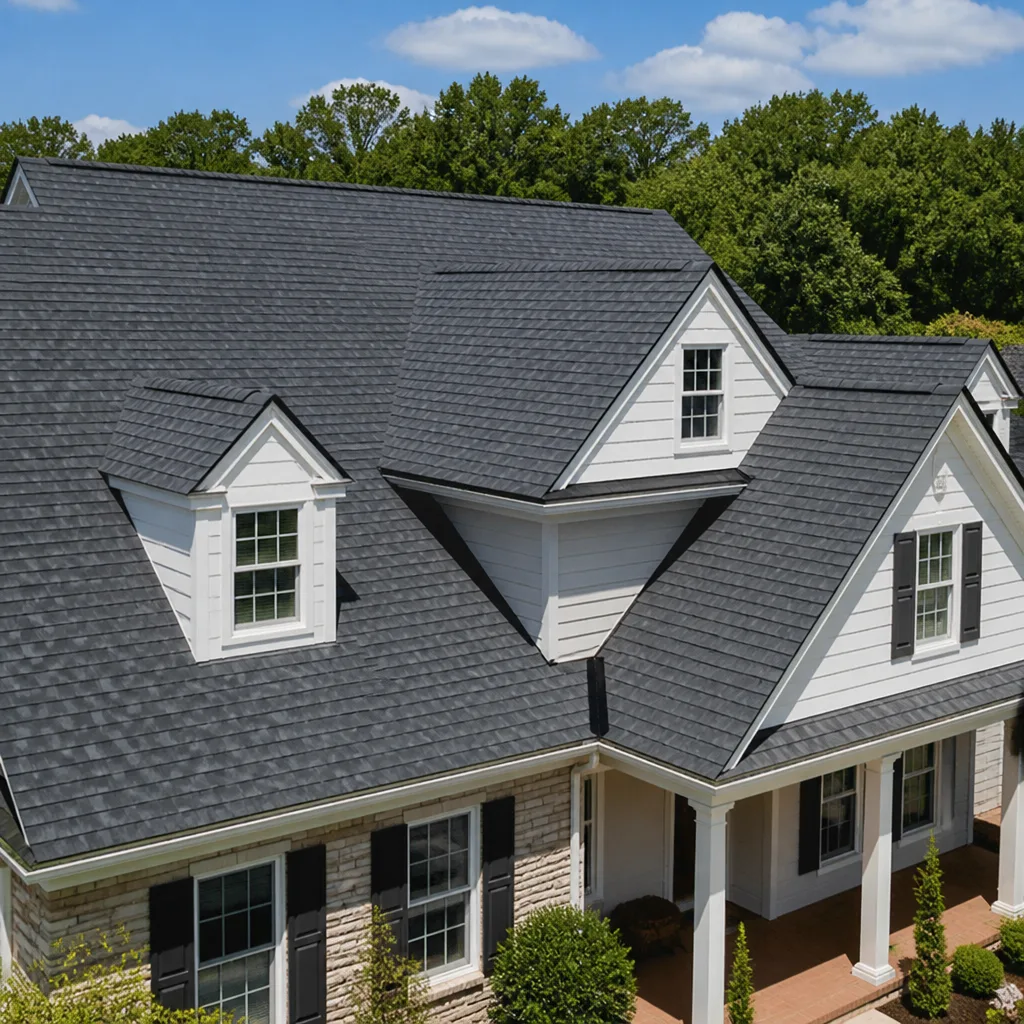 Roofing
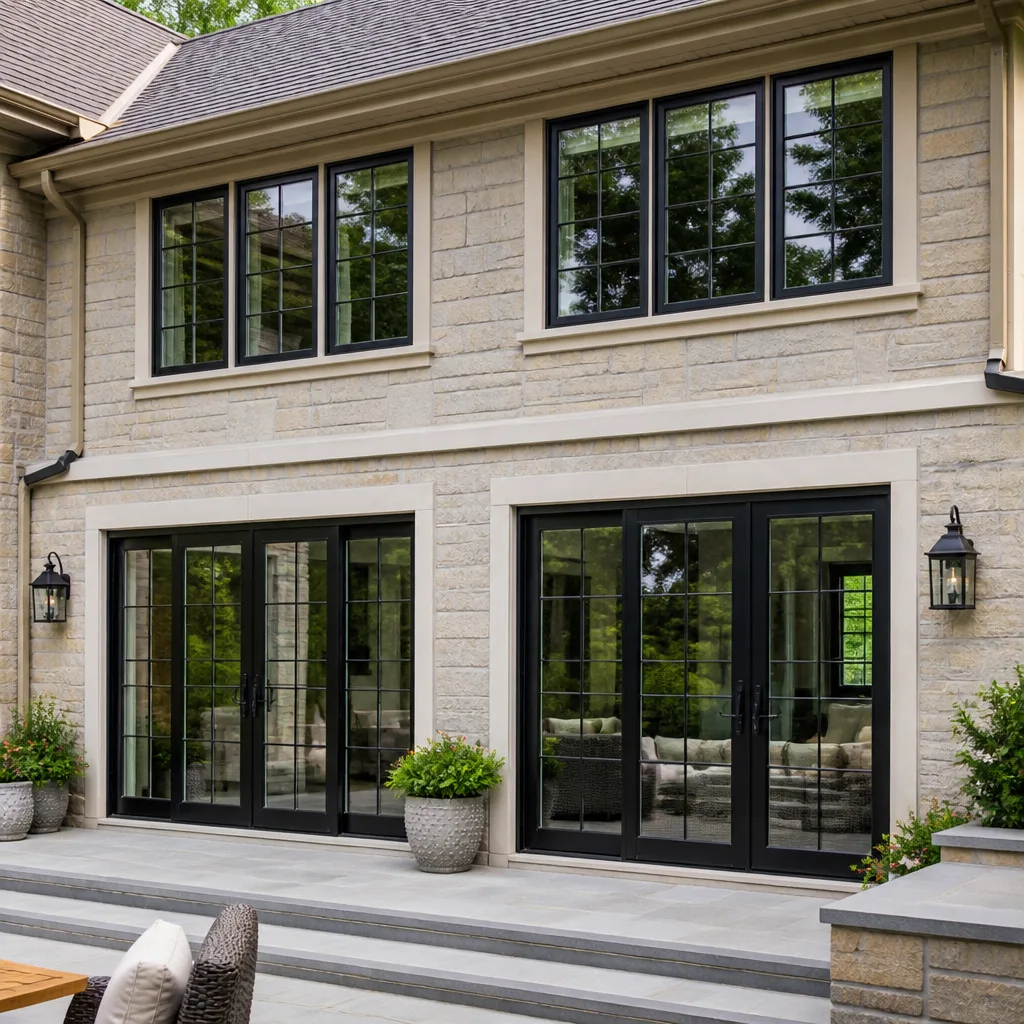 Windows & doors
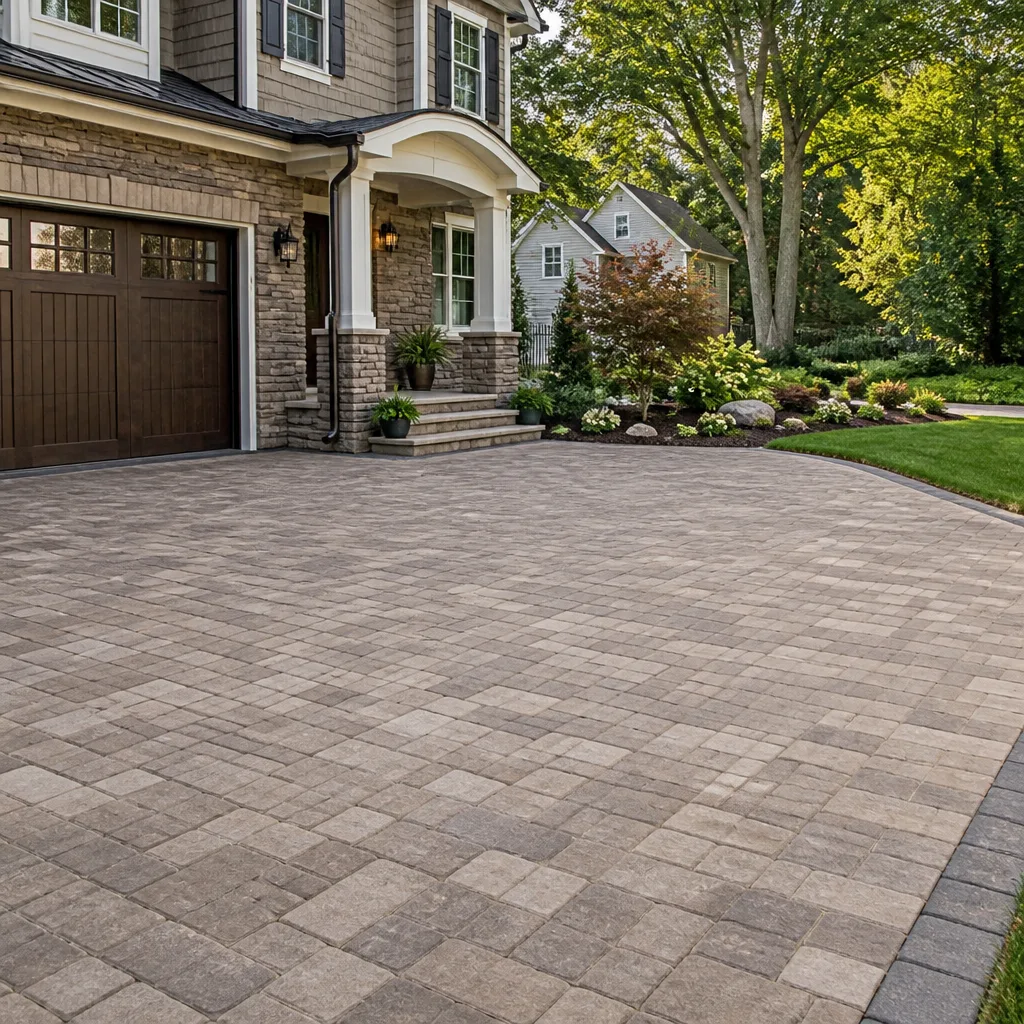 Driveway & pavers
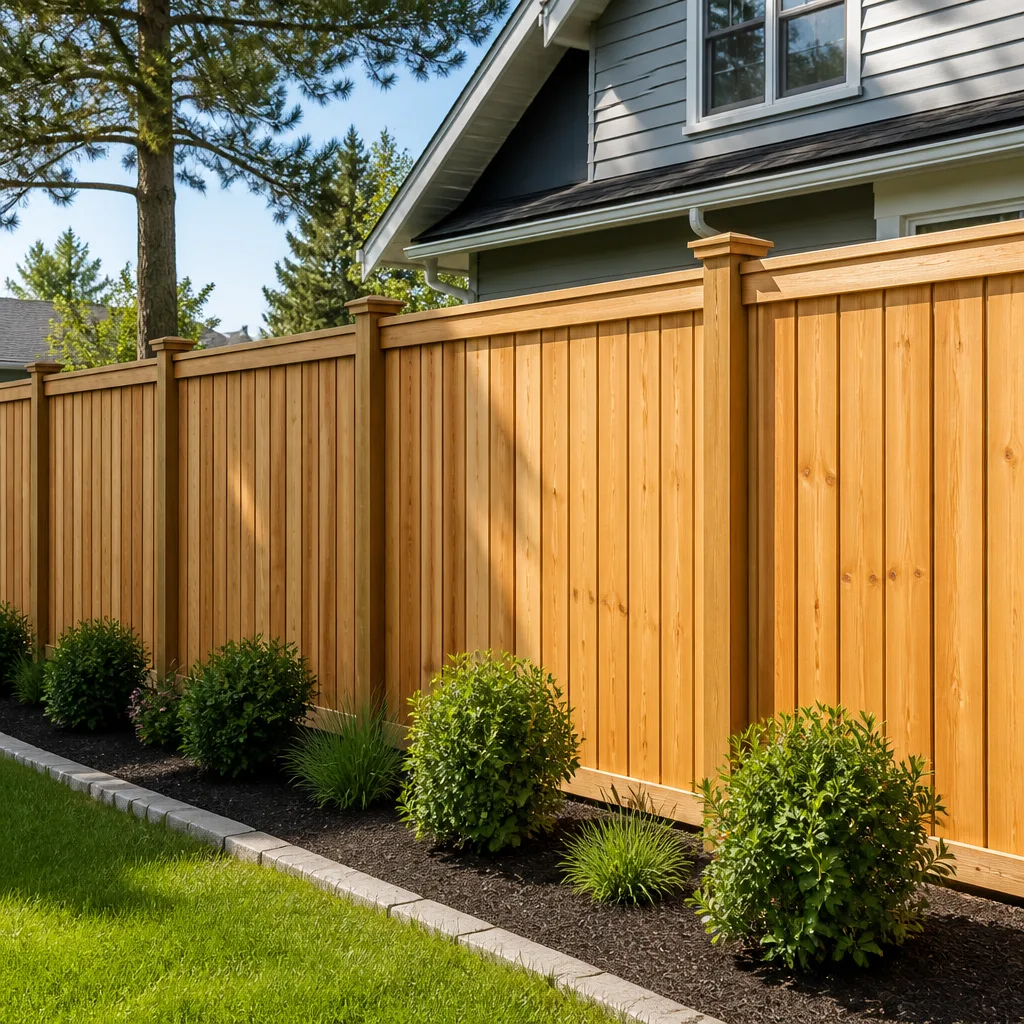 Fence
Free written scope consultation - allowances, timeline, and change-order rules on paper before a single trade is scheduled
Styles & brands we work with
See the difference
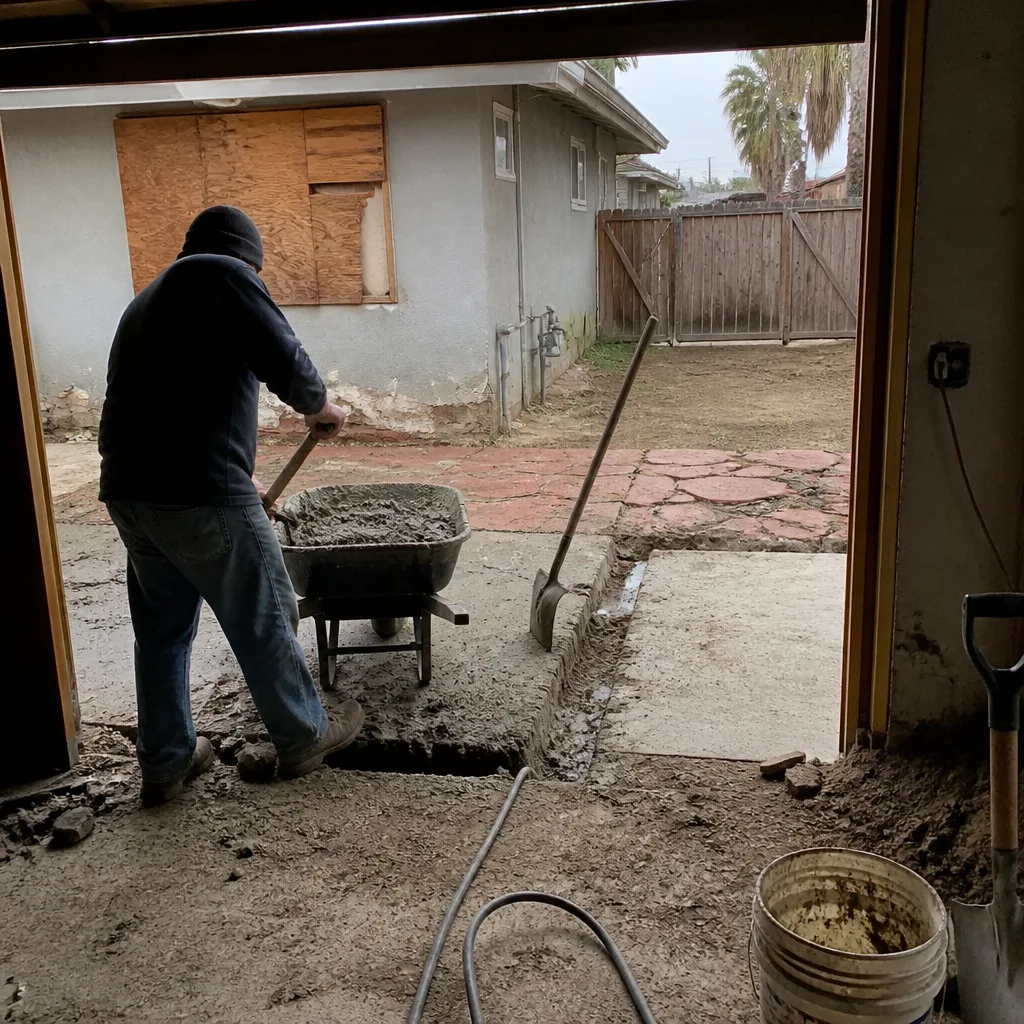 Before
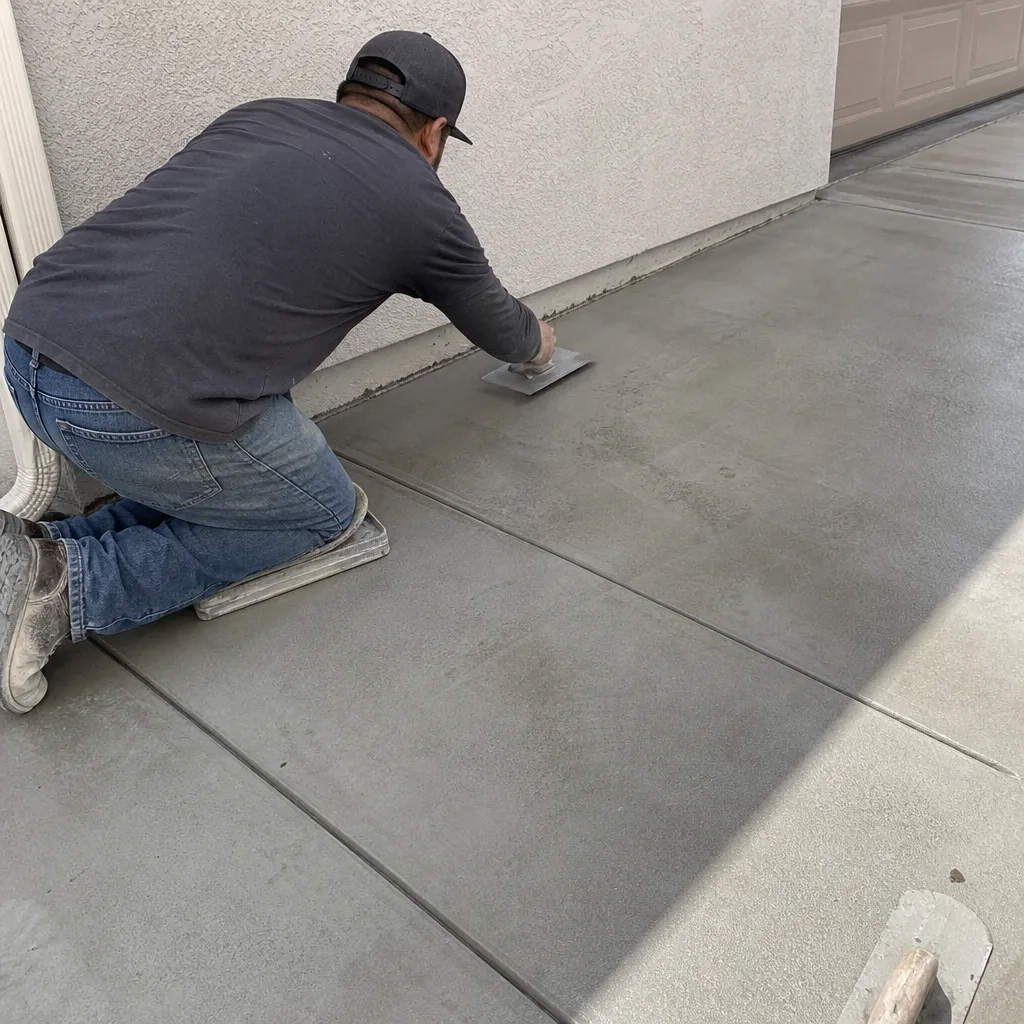 After
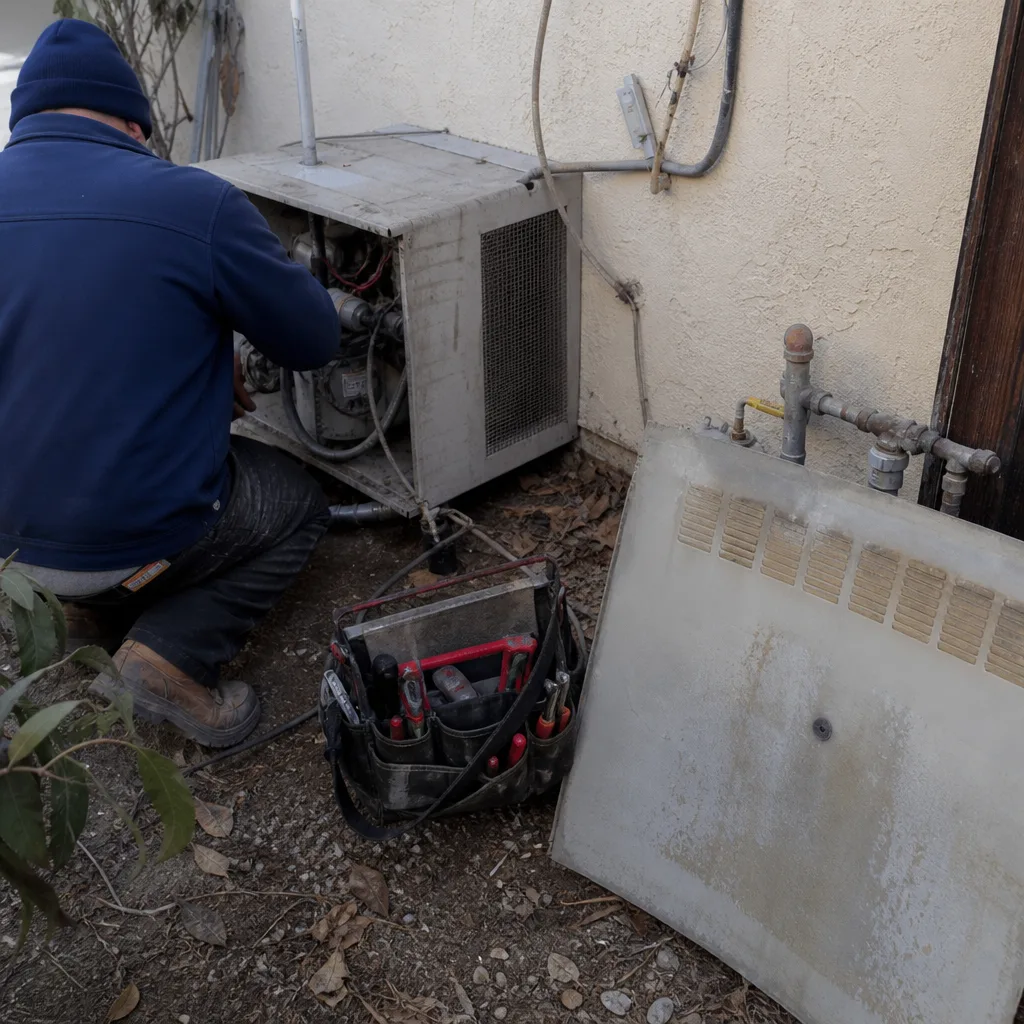 Before
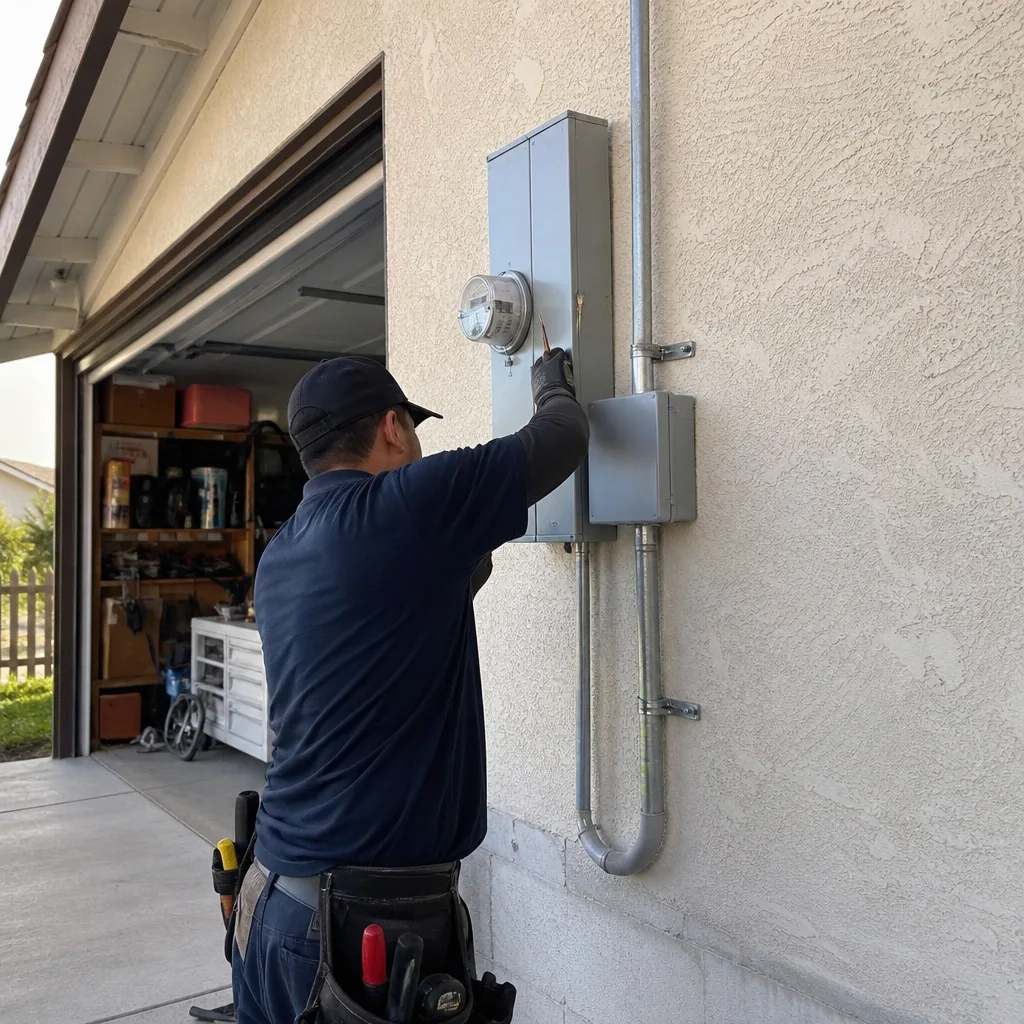 After
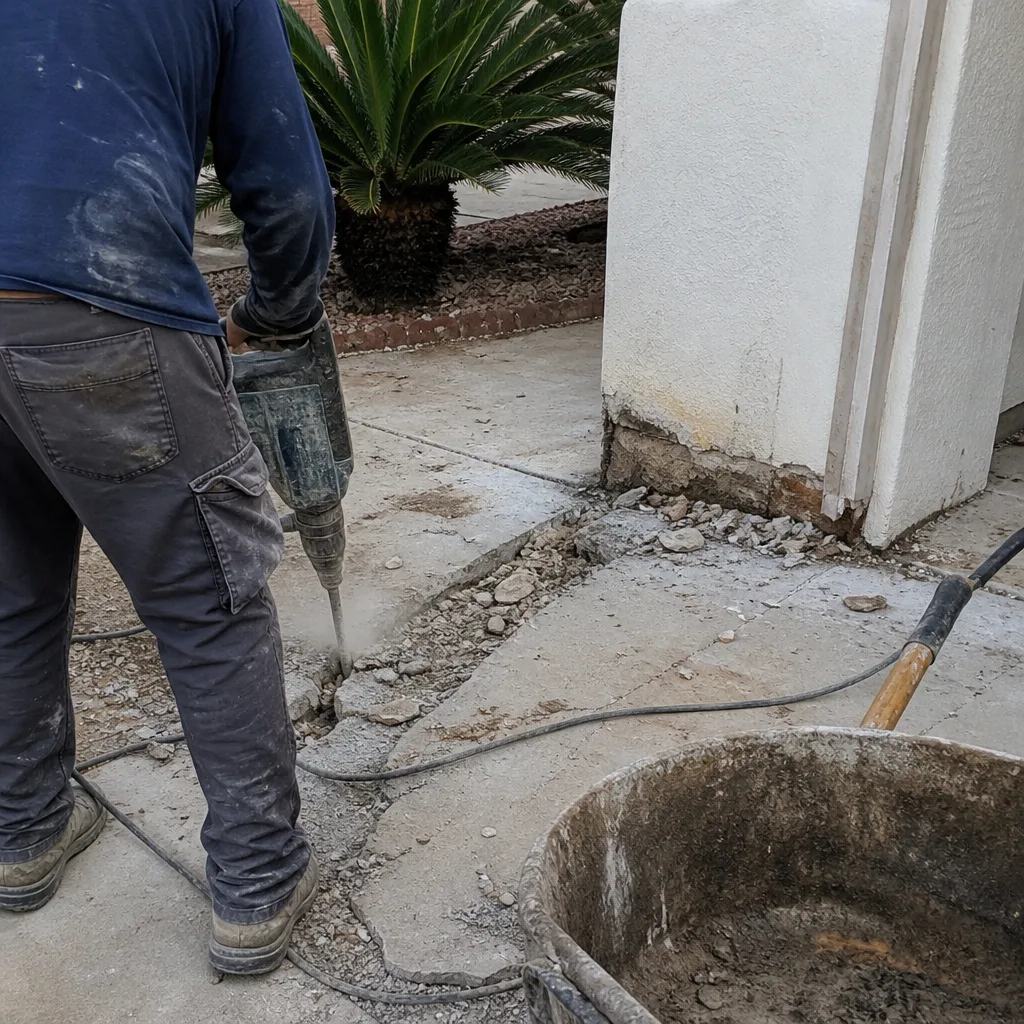 Before
 After
How Much Does Kitchen Island Installation Cost in Fontana?
Kitchen island installation in Fontana typically costs $3,000 to $10,000, depending on size, cabinet line, countertop material, and whether plumbing or electrical has to be moved. A stock island cart set in place with no utility work runs near the low end; a full custom island with Cambria or Silestone quartz, a sink, and dedicated circuits lands at the top of that range. Most Fontana homeowners we work with fall somewhere around $4,500 to $7,500 for a mid-size island with a mid-grade cabinet box and quartz top.
We’re San Bernardino Contractors, and islands are one of the projects we build most often. If you want a real number for your kitchen, call (855) 473-5620 and we’ll walk your space and give you a free estimate.
Key Takeaways
- Typical Fontana island install: $3,000 – $10,000, all-in with cabinet, top, and labor.
- The countertop and any plumbing/electrical relocation are the two biggest cost drivers.
- A stock, freestanding island can land under $3,000; a custom island with a sink easily clears $8,000.
- Island permits and clearances matter in Fontana’s older housing stock, where we run into tight kitchens regularly.
- Free estimates: (855) 473-5620.
Kitchen Island Installation Cost Breakdown (2026)
Here’s how the money splits on a Fontana island project. These ranges cover materials and labor together, so you can see where the dollars concentrate before you commit.
| Line Item | Typical Fontana Range |
|---|---|
| Base island cabinet (stock or semi-custom box) | $800 – $3,500 |
| Countertop, installed (laminate to quartz) | $700 – $3,000 |
| Labor – assembly, leveling, securing to floor | $400 – $1,200 |
| Electrical: new outlets, dedicated circuit, pendant drops | $300 – $1,500 |
| Plumbing: sink, disposal, water line relocation | $500 – $2,000 |
| Design, delivery, haul-away, permit if required | $200 – $900 |
| Total installed | $3,000 – $10,000 |
The countertop is where budgets swing hardest. A laminate or butcher-block top keeps you near the bottom of the range. Step up to Cambria quartz or Silestone and a 6-foot island top alone can run $1,500 to $3,000 installed, because quartz is priced per square foot and edge profiles add labor. On the cabinet side, a KraftMaid or Wellborn semi-custom box gives you drawer banks, wine storage, and matching door styles that a big-box stock cabinet won’t, and that shows up in the price. A basic island cart with a pre-made top and nothing to wire or plumb can genuinely come in under $3,000.
What Affects Kitchen Island Installation Pricing in Fontana
Fontana kitchens aren’t all the same, and neither are island prices. These are the factors that move the number most in this market.
- Island size and shape. A 4-foot square island and an 8-foot L-shaped island with seating for four are different projects. Every extra foot of cabinet and counter adds material and finishing time.
- Whether you add a sink or cooktop. Bringing plumbing or gas to the island is the single biggest jump in cost. A prepped sink location adds $500 to $2,000 once you account for the water line, drain, and possibly a disposal.
- Adjoining room and utility runs. In Fontana’s older ranch homes south of the 10, we often find the kitchen sits far from the water heater and panel, so running a line or a circuit across the slab takes more time than in a newer build.
- Countertop material. Laminate and butcher block sit at the low end; Caesarstone and Silestone quartz sit higher. The surface brand you pick changes the top line by hundreds, sometimes more than a thousand dollars.
- Cabinet grade and door style. Stock versus semi-custom, soft-close versus standard hardware, painted versus stained. Brand-specific cabinets like Wellborn give you finish and storage options that change pricing by tier.
- Overhead pendants and lighting. If you want pendant lights over the island, you’ll need ceiling rough-in and usually a dedicated circuit, which adds to the electrical portion of the budget.
There’s a Fontana-specific wrinkle worth knowing. Many of the homes we remodel here were built between the 1970s and 1990s, and some have tight galley layouts where there’s no room for a fixed island without stealing from the walkway. When that happens, we talk through a peninsula or a mobile butcher-block island instead. It’s cheaper and it keeps the kitchen usable. Check the layout before you fall in love with an island design built for a bigger footprint. For a broader look at how the island fits into the room, our home page lays out the full scope we handle.
Island Installation vs. a Full Kitchen Remodel
Plenty of Fontana homeowners start with “I just want an island” and end up wondering whether they should redo the whole kitchen. Both are valid. Here’s how the numbers and the scope compare.
An island install alone stays focused on one element and keeps the rest of your kitchen intact. The trade-off is that a new island in a dated kitchen can look like a new island in a dated kitchen. A full remodel gives you the chance to update the cabinets, tops, and backsplash together so the room reads as one design (see our home page for the whole-home scope we manage). If you’re weighing that decision, our Kitchen Island Installation in San Bernardino guide shows how a neighboring market handles the same questions, and it’s worth a read if you’re comparing quotes.
Full kitchen remodels in Fontana run $14,000 to $45,000. Small kitchen remodels run $9,000 to $20,000. Cabinet installation alone is $4,000 to $13,000, countertops $2,000 to $6,500, and a backsplash $800 to $2,500. If you’re keeping the existing kitchen and only adding the island, that $3,000 to $10,000 island number is your whole project cost, not a slice of a bigger one. Many of our clients pair the island with an updated top and live with the rest, which is a sensible way to get the function without the full-room spend.
The Brands Behind Your Island (and Why They Matter)
The brand names on your island determine how it wears, how it ages, and how much it costs. We aren’t tied to one supplier, so you pick the brand and we handle the build. On the cabinet side, KraftMaid and Wellborn both give you semi-custom storage configurations – drawer banks, pull-out waste, wine racks – that change the price tier but also the daily usefulness of the island. On the surface, Cambria, Silestone, and Caesarstone are the three quartz brands we work with most because their slabs are consistent, their edge options are broad, and their warranties hold up. If you want a butcher-block top or laminate to keep the budget tight, that’s just as easy for us to source.
This isn’t a “one material fits all” shop. A kitchen island is one piece of a much bigger ability to handle every phase of a project, from home remodeling down to home repairs. That breadth means when the island turns out to need a new circuit or a tweak to the adjacent counters, we don’t hand you off to a separate electrician and a separate counter shop. One contractor, every phase.
How to Save on Kitchen Island Installation
You don’t have to hit the top of the range to get an island that works. A few practical moves keep the cost down without cheapening the result.
- Keep the island where the utilities already are. The closer the island sits to an existing sink line and a circuit you can tap, the less you pay in plumbing and electrical. Relocation is where budgets climb.
- Pick a countertop brand tier that fits. Silestone and Caesarstone quartz give you a real stone feel at a lower slab price than some premium options, and laminate or butcher block is fine if the island is a workhorse.
- Skip the sink or cooktop if you don’t need them. A prep-only island with no plumbing is dramatically cheaper than a sink island, and many kitchens function fine without the second sink.
- Choose a stock or semi-custom cabinet box over full custom. KraftMaid’s stock and semi-custom tiers carry most of the look and storage of full custom, at a lower line price.
- Bundle the island with a countertop or cabinet refresh. Doing two things in one visit saves on mobilization and disposal charges compared with scheduling separate projects.
The fastest way to know your actual number is a free estimate. Call (855) 473-5620 and we’ll measure, talk through your options, and give you a written range before any work starts. Upfront pricing, no surprises.
What to Expect During Your Island Installation
Here’s the process, so there’s no guesswork. Most single islands are a two- to three-day job once materials land. Day one is layout, removal of any flooring or baseboard as needed, and setting the cabinet box plumb and square to the room. Day two is securing the island to the floor, running any electrical or plumbing, and templating for the countertop if it’s a quartz top that needs fabrication. The counter install and finishing typically follow once the slab is cut, which for quartz is usually a few days out. That sequencing is why an island with a custom quartz top takes longer than one with a pre-made surface.
One word on safety. Island work that involves new electrical circuits, gas lines to a cooktop, or plumbing tie-ins touches systems that can hurt you if they’re handled without the right knowledge. We’d rather you let a licensed tradesperson handle the rough-in than attempt it yourself. That’s a big part of what you’re paying for when you hire a contractor. If you’re planning a larger change that touches the kitchen walls, our home page covers the full envelope, and if the island is one step in a wider remodel, the team can scope the whole thing at the same visit.
Kitchen Island Installation Cost FAQs
How much does kitchen island installation cost in Fontana in 2026?
It runs $3,000 to $10,000, with most homeowners landing between $4,500 and $7,500 for a mid-size island with a quartz top. Stock islands with no plumbing or electrical can come in under $3,000, while custom islands with sinks, cooktops, and premium quartz push toward the top. Call (855) 473-5620 for an exact quote; estimates are free.
Is it cheaper to build a custom island or buy a stock one?
A stock, freestanding island is the cheaper route, often under $3,000 installed, because there’s no fabrication and no utility work. A custom island built into the kitchen with a fabricated quartz top typically starts around $4,500 and climbs from there. If you want the seamless look and extra storage, custom is worth it; if you just need work surface and storage, stock saves you real money. Either way, one call to (855) 473-5620 gets you a number.
Does adding a sink or cooktop to an island cost more?
Yes, adding a sink or cooktop is the biggest single cost jump, adding roughly $500 to $2,000 for plumbing and $300 to $1,500 for electrical, depending on how far the lines have to travel. A prep-only island avoids most of that. If you’re unsure whether your kitchen supports a sink island, we’ll tell you at the estimate. Call (855) 473-5620.
How long does island installation take in Fontana?
Most single islands are a two- to three-day job, not counting countertop fabrication time, which for quartz adds a few days. Islands with plumbing or electrical take longer because of rough-in and inspection. We schedule around your kitchen so you’re not without a workspace for long. Call (855) 473-5620 to get on the calendar.
Do I need a permit for a kitchen island in Fontana?
Often yes, if the island adds electrical or plumbing, since that work triggers a permit and an inspection. A simple cabinet install with a pre-made top usually doesn’t. Because permit rules depend on the specific scope and the age of your home, we confirm what’s required for your address before work begins. Call (855) 473-5620 and we’ll sort it out with you.
Pricing reflects the Fontana market as of 2026. San Bernardino Contractors offers free estimates – call (855) 473-5620.
What Our Customers Say
"Framing crew was meticulous and the walls are straight everywhere. Drywall goes on a lot better when the framing is right."
— Angela Kim"He was upfront about a soil issue that added cost early rather than absorbing it and surprising us at the end."
— Latoya Coleman"Every inspection passed first time. The building department clearly knows him and that made the whole process easier."
— Rosa Hernandez