
Last updated October 30, 2026
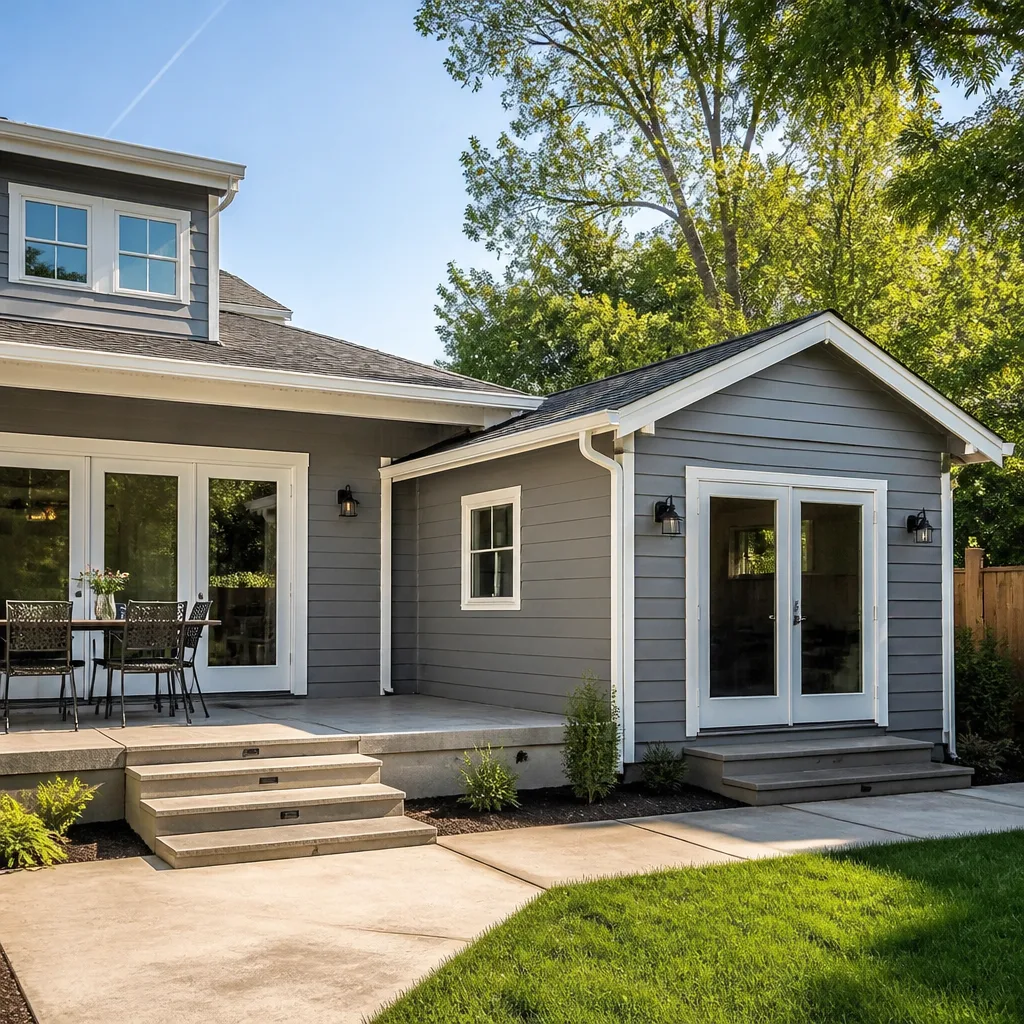 Home additions & ADU
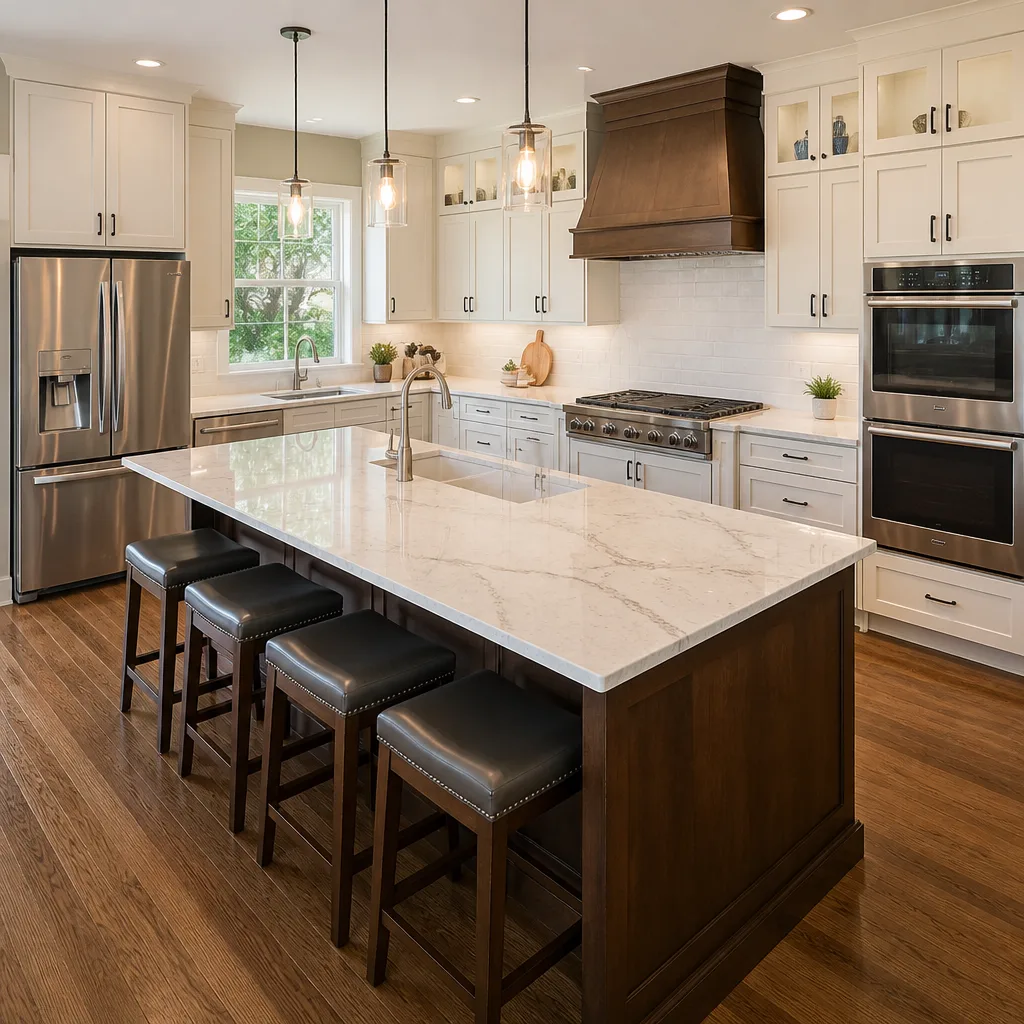 Kitchen remodeling
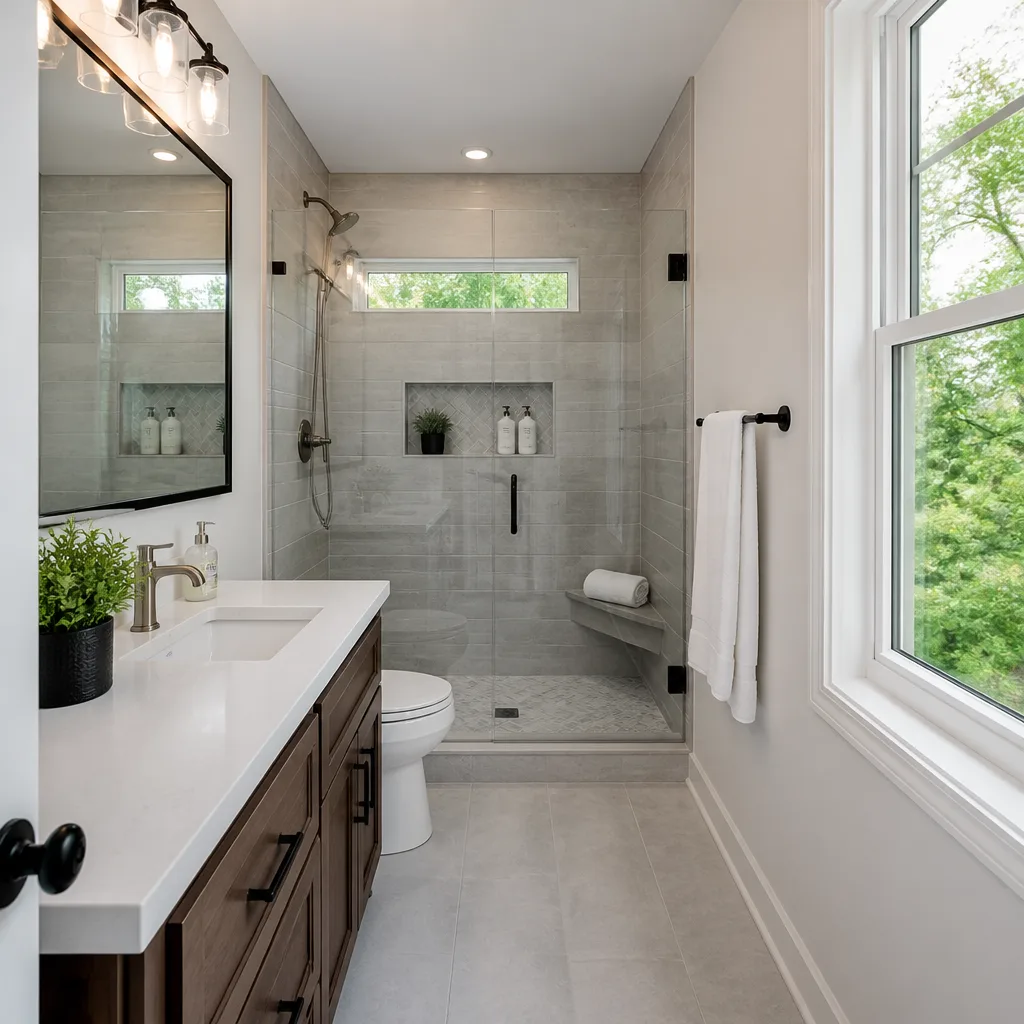 Bathroom remodeling
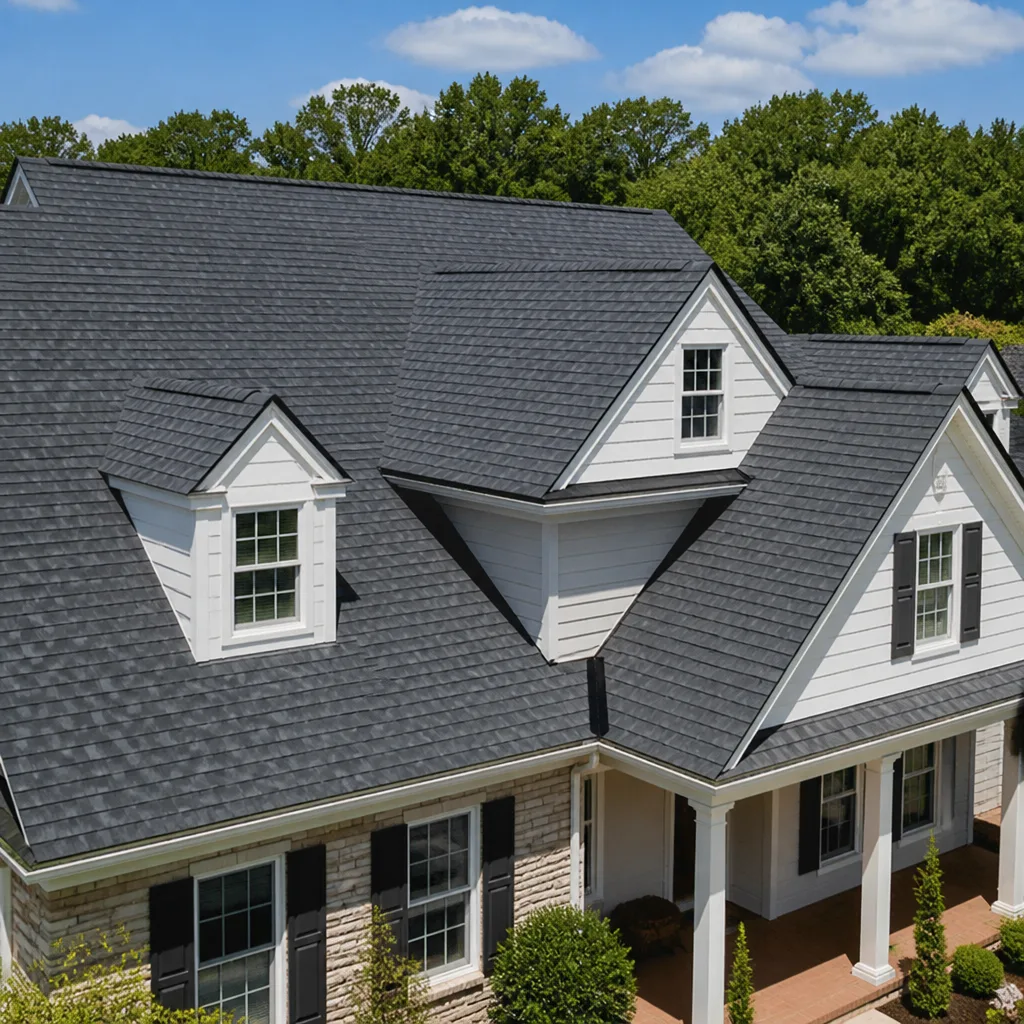 Roofing
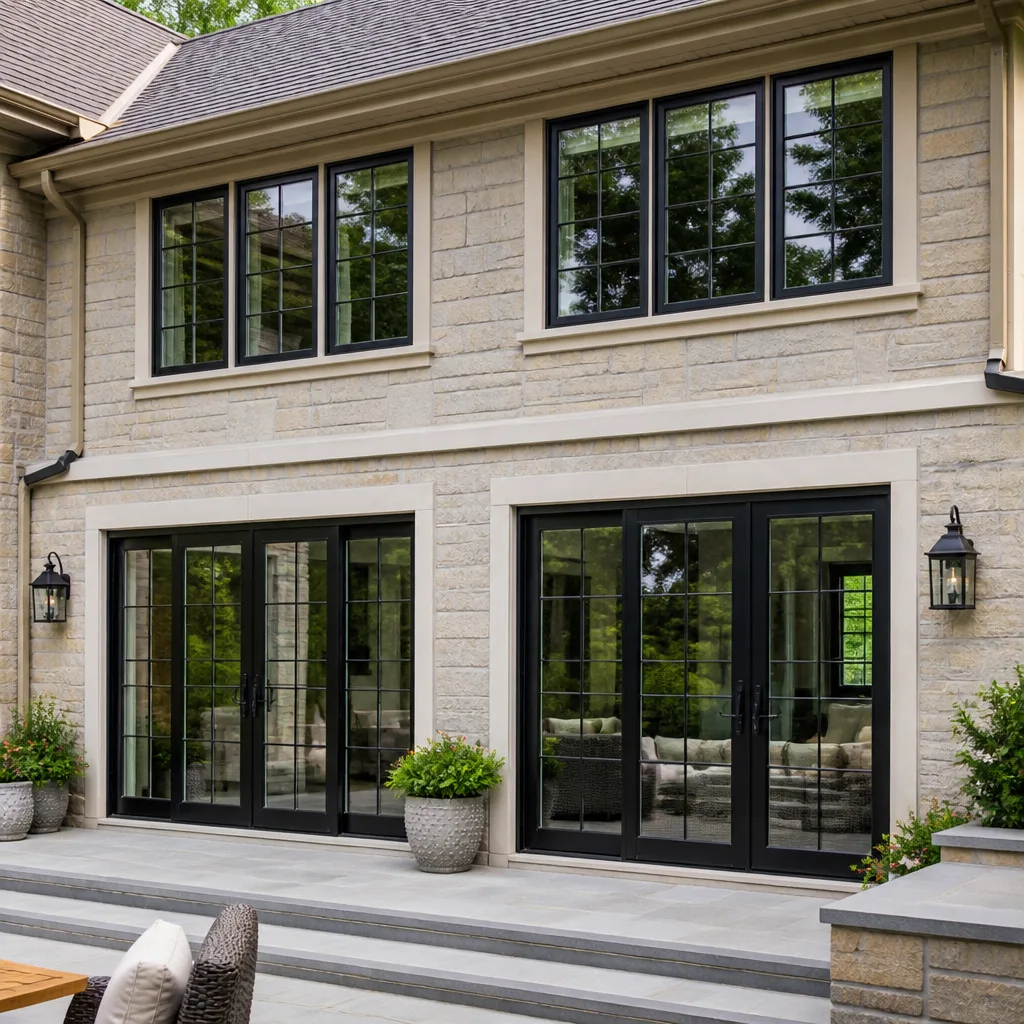 Windows & doors
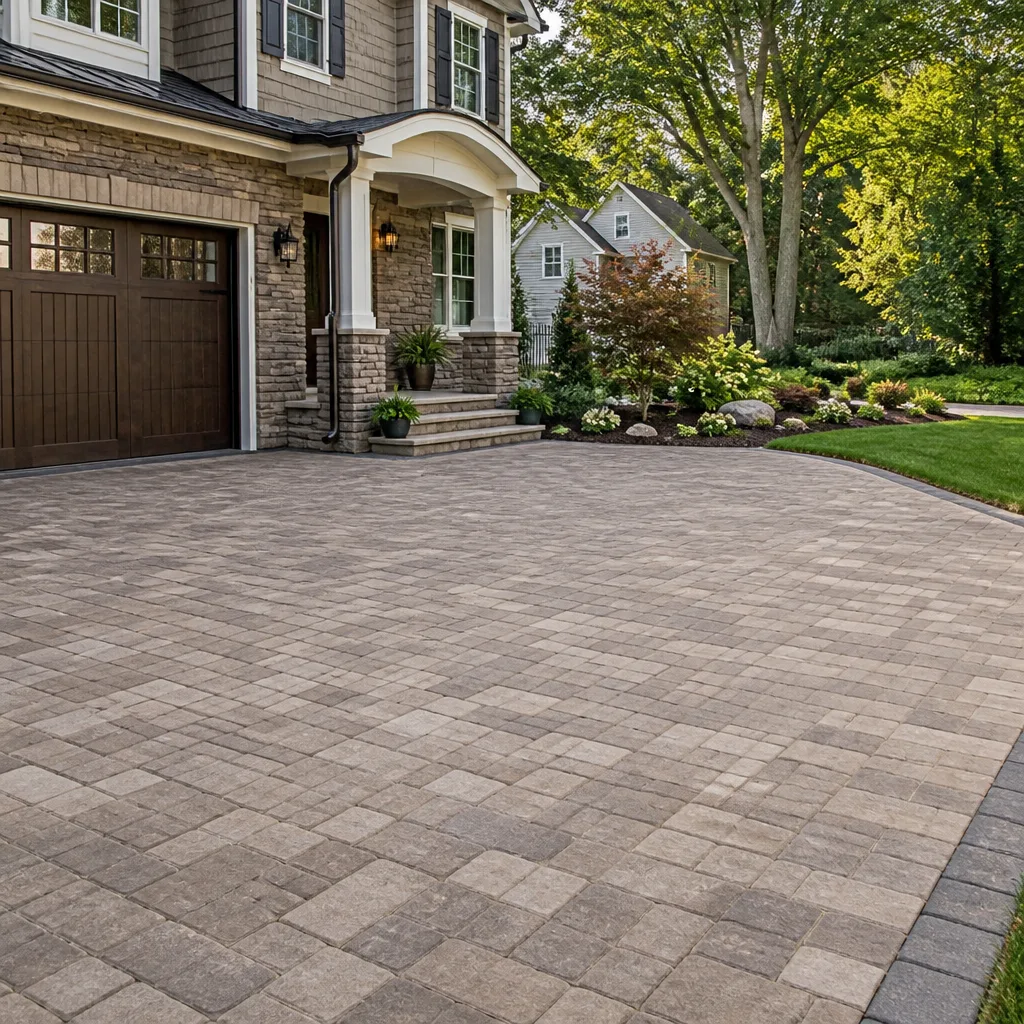 Driveway & pavers
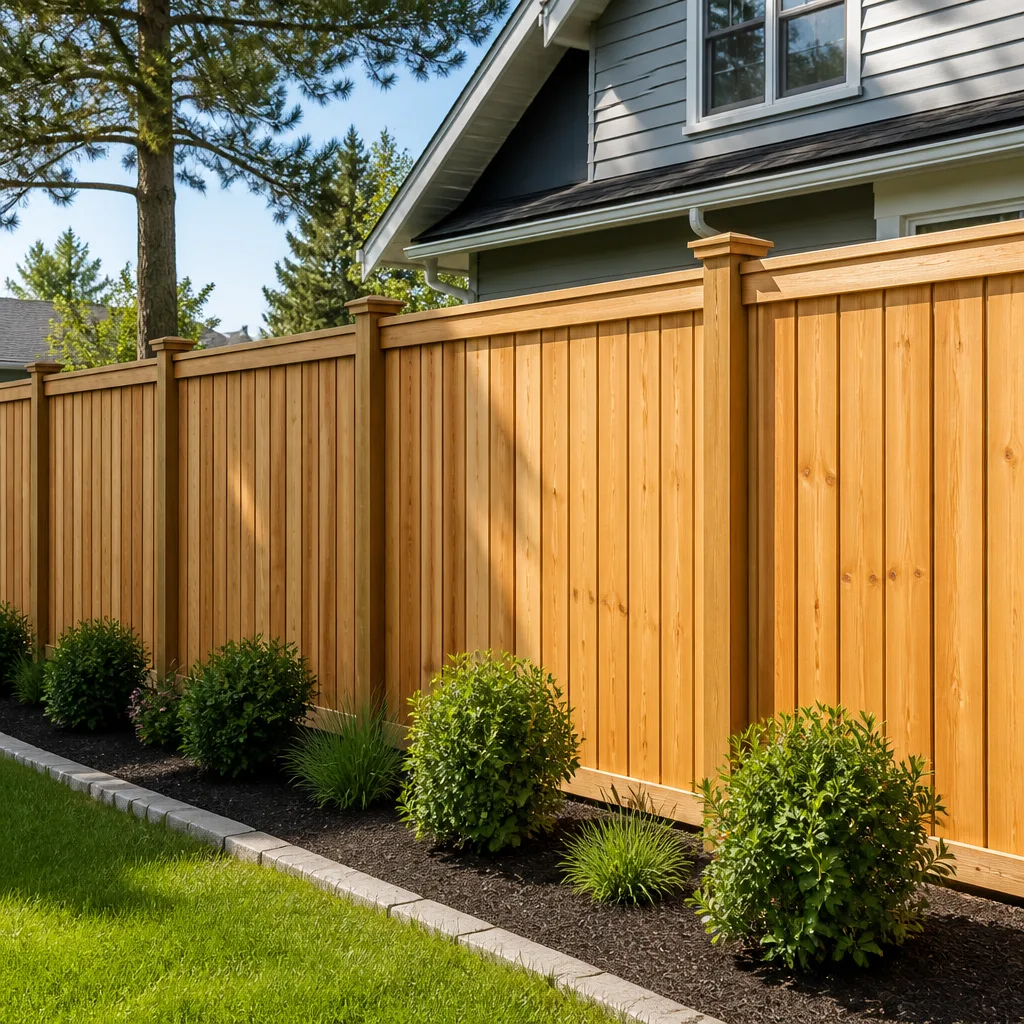 Fence
Free written scope consultation - allowances, timeline, and change-order rules on paper before a single trade is scheduled
Construction Cost Breakdown: The Fontana Homeowner’s Reference for 2026
Here’s the number that should reset your expectations: the 2026 national average for a mid-grade kitchen remodel is about $27,000. Plan that budget in Fontana and you’ll be roughly $12,000 short before the first cabinet door comes off its hinges. California labor rates, Title 24 electrical requirements, and Fontana’s valuation-based permit fees push real-world costs here well past any national benchmark. This guide breaks down what construction actually costs in Fontana in 2026, trade by trade, with line items calibrated to Inland Empire pricing rather than national averages. For Construction Warning Signs: A Fontana Homeowner’s Reference Guide, see our companion resource. You’ll learn where tariff exposure is inflating material costs, how Fontana’s permit fee schedule works, and why sequencing projects one at a time quietly costs you 20 to 30 percent more than a coordinated approach.
Styles & brands we work with
Quick Answer
A full-scope home remodel in Fontana in 2026 runs $180 to $320 per square foot depending on finish level, with kitchens landing between $38,000 and $75,000 for a mid-to-premium build and bathrooms at $18,000 to $38,000. Roof replacement on a typical 1,800-square-foot single-story home runs $14,000 to $22,000, new windows run $900 to $1,400 per opening installed, and an ADU starts around $180,000 for a prefab unit and climbs past $300,000 for site-built construction. Fontana’s permit fees add roughly 2 to 4 percent to any project total, and California labor rates alone add 18 to 25 percent over what the same scope costs in Nevada or Arizona. To get a precise, line-item estimate for your address, call San Bernardino Contractors at (855) 473-5620 for a free assessment.
Table of Contents
- Why California Labor Rates Change Everything
- Fontana Permit Fees: What Building & Safety Charges in 2026
- Roofing Costs in Fontana: Material Tiers From Entry to Premium
- Window Replacement: PGT, CGI, and the Tariff Effect
- Kitchen Remodel Costs: A Trade-by-Trade Breakdown
- Bathroom Remodel Costs: What Plumbing Upgrades Really Cost
- ADU Construction in Fontana: Prefab vs. Site-Built
- Hardscaping and Exterior Work: Pavers, Fencing, and Siding
- Why Phasing Projects Costs More Than Doing Them Together
- Common Mistakes to Avoid
- When to Call a Professional
- Frequently Asked Questions
Why California Labor Rates Change Everything
If you’ve ever run a comparison bid between a Fontana contractor and one working out of Las Vegas or Phoenix, the spread looks suspicious. It’s not a markup problem. It’s structural. California’s prevailing wage requirements apply to any public works project, but even private residential construction absorbs the same upward pressure through apprenticeship requirements, workers’ compensation rates that run triple what contractors pay in neighboring states, and a labor market where a journeyman carpenter in the Inland Empire earns $32 to $48 per hour before burden. Nevada’s comparable rate is $24 to $33.
What this means on paper: a Fontana kitchen remodel allocating 45 to 55 percent of its budget to labor costs $12,000 to $19,000 more for the same scope than an equivalent project in Henderson or Scottsdale. That is not an overcharge. That is the cost of doing work in California, and any bid that dramatically undercuts it deserves a hard look at licensing, insurance, and worker classification. We recommend verifying General Contractor in Fontana licenses through the CSLB before comparing bids, because unlicensed operators frequently win on price by shorting labor compliance.
For 2026 specifically, California’s contractor licensing requirements have not relaxed, but enforcement of worker classification laws has tightened. Subcontractors misclassifying employees as independent contractors face steeper penalties, and those costs roll downhill into bid prices. When you see a bid that’s 30 percent under the field, that’s not a deal. That’s a red flag waving at you.
Labor also varies by trade. Electricians in Fontana charge $95 to $150 per hour. Plumbers run $90 to $140. Framers and finish carpenters bill $65 to $110. Tile setters with real experience command $70 to $120. A full-gut bathroom that requires plumbing re-rough, electrical upgrades to meet Title 24, and custom tile work will carry labor costs of $11,000 to $19,000 before a single fixture gets installed.
Fontana Permit Fees: What Building & Safety Charges in 2026
Fontana’s Building & Safety Division structures its fees around project valuation, not a flat rate. The city processed record permit volume during the post-2020 building surge, and the 2026 fee schedule reflects a valuation-based model where the permit fee is calculated as a percentage of your project’s declared construction value, plus separate plan check and inspection fees.
Here’s how it breaks down by project type:
- Kitchen or bath remodel: Building permit fees typically run $800 to $2,200, plus electrical, plumbing, and mechanical sub-permits at $150 to $400 each. Total permit burden: $1,500 to $3,500.
- Window replacement (like-for-like): $120 to $350 for a standard permit. If you’re changing opening sizes or adding egress windows, plan check fees add $250 to $600.
- Roof replacement: $400 to $900 for a standard tear-off and re-roof on a single-family home. Title 24 cool-roof documentation adds minimal cost but must be submitted correctly or you’ll eat re-submittal fees.
- ADU construction: The big one. Fontana encourages ADUs through state mandate, but valuation-based fees for a $200,000 unit run $4,000 to $7,500 including plan check, impact fees where applicable, and inspections. Prefab ADUs that arrive with state-approved plans can shave $500 to $1,200 off plan check costs.
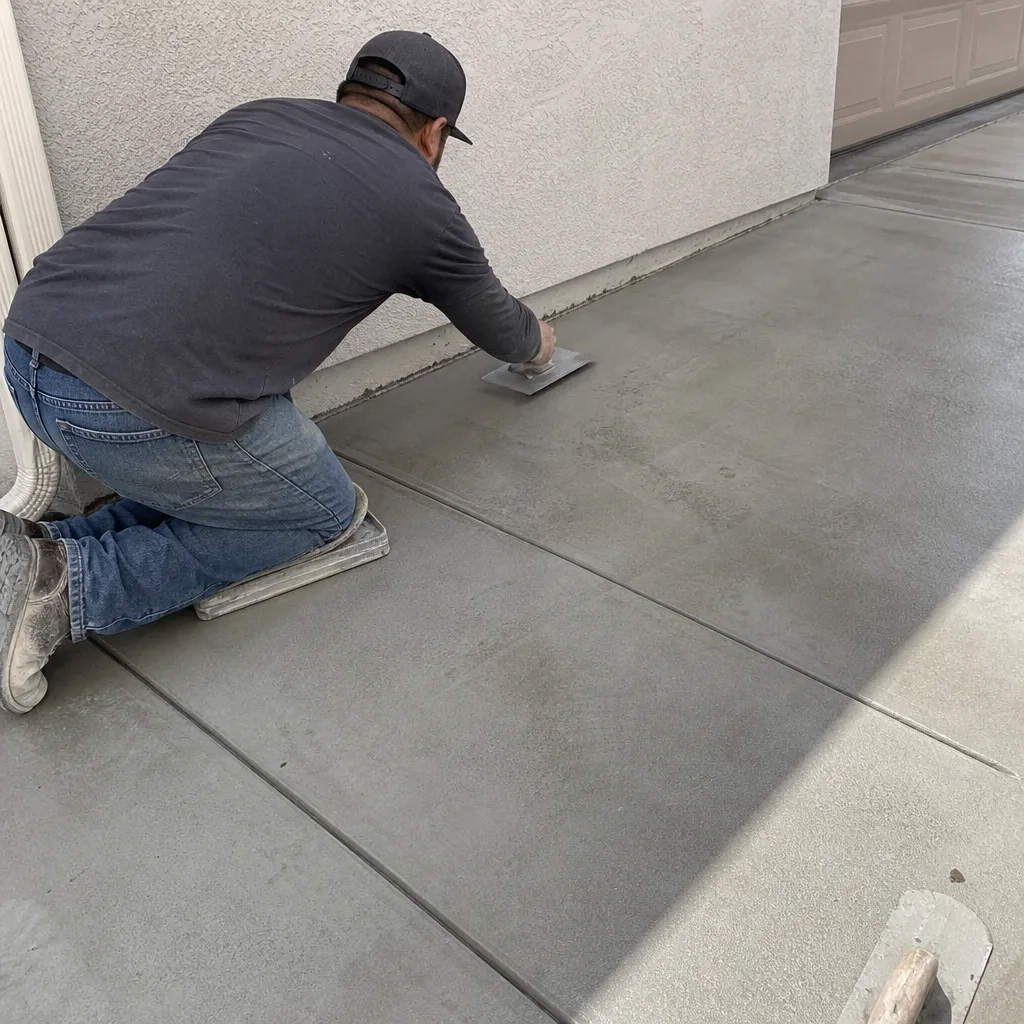
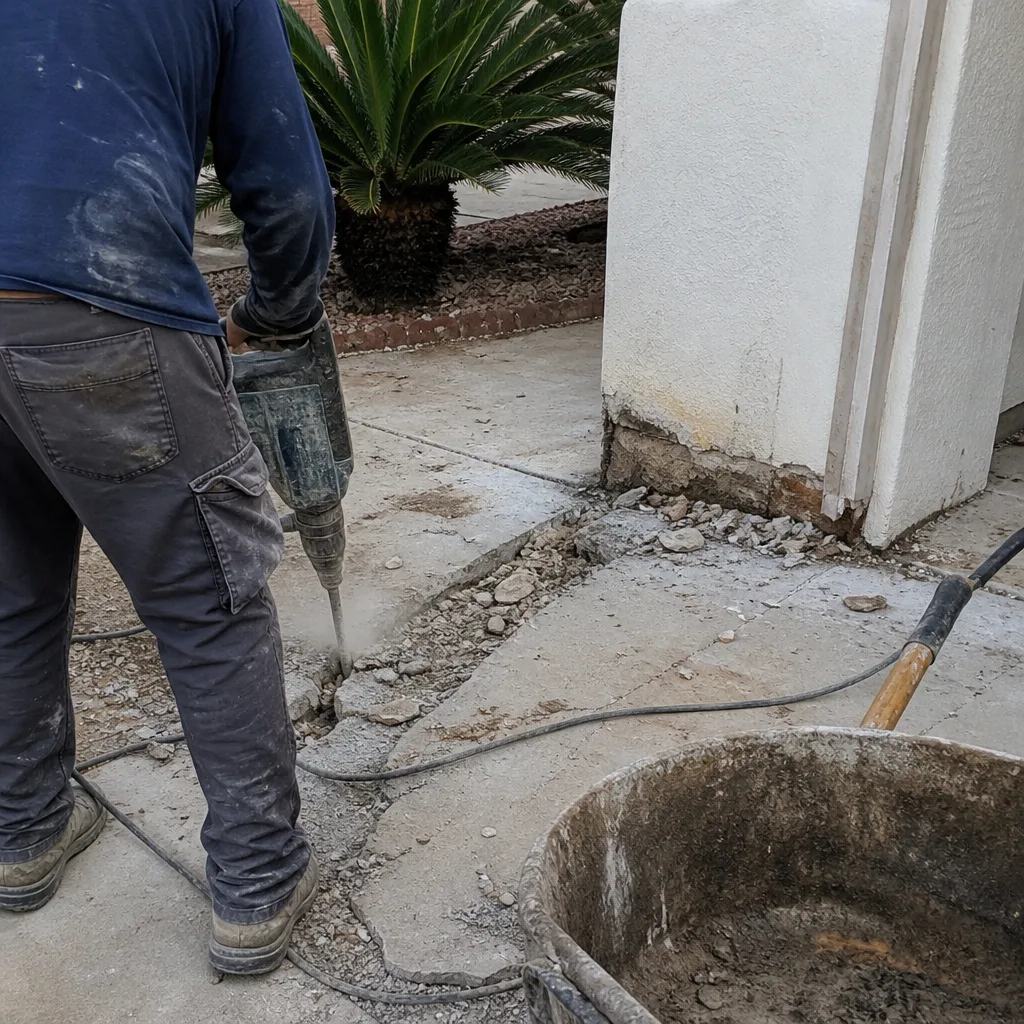
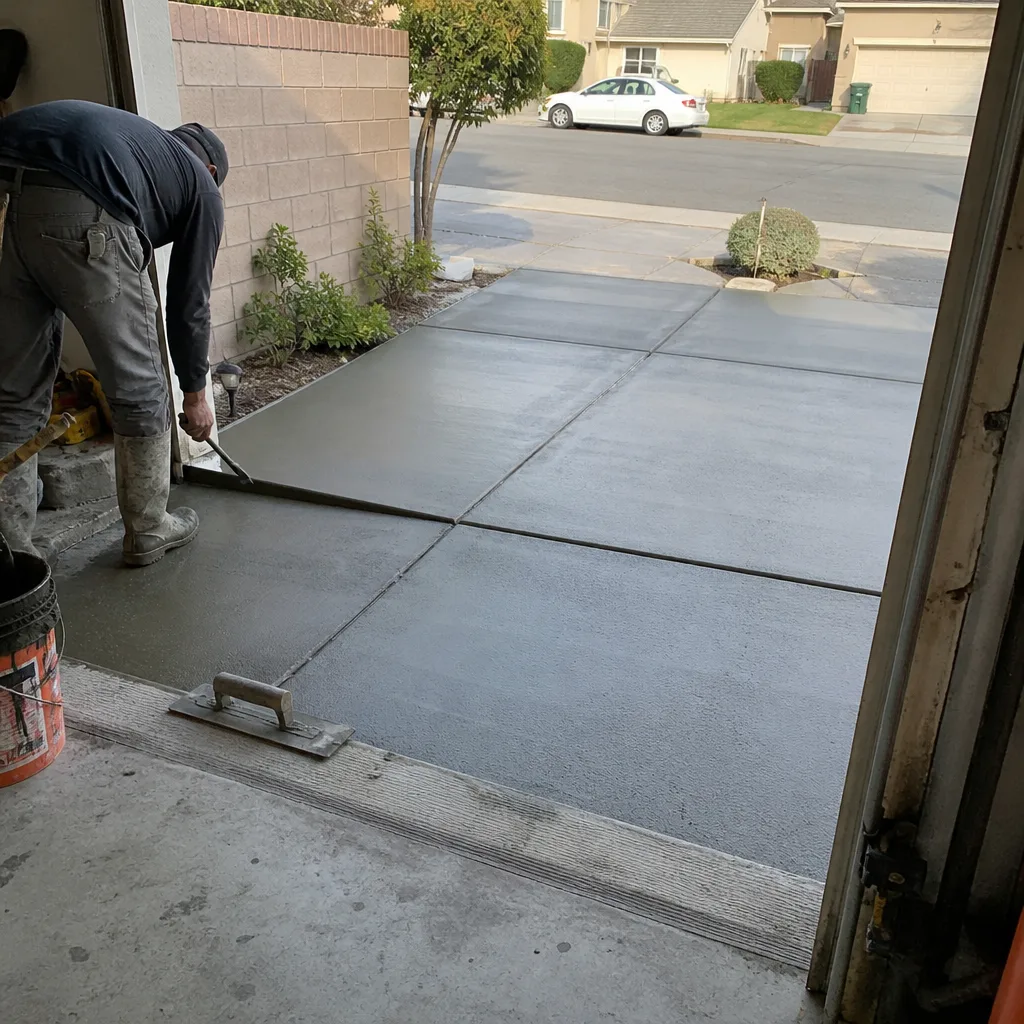
- Hardscaping and flatwork: Patios, walkways, and retaining walls under 3 feet often don’t require a building permit, but anything involving structural retaining walls or significant grade changes does. Fees run $300 to $1,400 depending on scope.
Here’s the sequence Fontana requires for most interior remodels:
- Submit plans and valuation. Underestimating project value to lower fees triggers an audit that will cost you far more in penalties than honest reporting.
- Pay plan check fees at submittal. Typical plan check runs 2 to 4 weeks for residential remodels, longer for ADUs with site-specific engineering.
- Pay the permit fee at issuance. Construction cannot begin until the permit is in hand and posted.
- Schedule inspections at each phase: rough-in, insulation, drywall, final. Missed inspections mean re-inspection fees of $150 to $300 per visit.
- Close out the permit. Unclosed permits become a title issue when you sell, so this step is not optional.
If you’re planning a larger scope like a Home Remodeling in Fontana project that touches multiple systems, your permit strategy should be worked out before demolition starts. Retrofitting unpermitted work later costs roughly double what pulling the permit up front costs, and Fontana is not known for leniency on this.
Roofing Costs in Fontana: Material Tiers From Entry to Premium
An 1,800-square-foot single-story Fontana home needs about 22 to 24 squares of roofing. Tear-off and re-roof pricing in 2026 runs $14,000 to $22,000 for architectural shingles depending on deck condition, pitch, and whether your roof carries two existing layers. Two-layer tear-off adds $1,500 to $2,800 in labor and disposal alone.
Material tier matters more than most homeowners realize, and we carry relationships with six of the industry’s most specified shingle manufacturers: GAF, CertainTeed, Owens Corning, IKO, Atlas, and Tamko. That means you’re not locked into whatever the contractor’s preferred brand happens to be. You choose based on warranty length, wind rating, and aesthetic, not availability.
Here’s the tier breakdown for a 24-square roof in Fontana:
- Builder-grade (IKO or Tamko standard architectural): $14,000 to $17,500 installed. 15 to 25-year effective life. Limited warranty. Fine for resale prep, not ideal if you plan to stay 15-plus years through Inland Empire sun load.
- Mid-grade (GAF Timberline, CertainTeed Landmark, Owens Corning Duration): $16,500 to $20,500 installed. 30 to 50-year life expectancy. Class 4 impact rating options. The sweet spot for most Fontana homes.
- Premium (GAF Grand Sequoia, CertainTeed Presidential, designer lines): $20,000 to $27,000 installed. Thicker shingle, deeper shadow lines, 50-year warranty. Costs more up front, resets your roof replacement clock for the rest of your ownership.
Fontana’s climate creates specific failure patterns. UV degradation breaks down shingle granules faster here than in coastal cities 60 miles west. Attic ventilation is not optional; ridge vents and intake soffit vents need to be balanced or your new roof cooks itself from underneath. We regularly see premature shingle failure in the Northgate and Southridge areas where original attic ventilation was undersized. Fix the ventilation at re-roof time or budget for a second roof 12 to 15 years sooner than the warranty promises.
The labor side of roofing is where cheap gets dangerous. A competent tear-off and install crew in Fontana runs $75 to $110 per square in labor. Undercut that and you’re hiring a crew without proper fall protection, without workers’ comp, and without a nailing pattern that survives a Santa Ana wind event. On steep pitches or two-story tear-offs, the safety stakes go up sharply. This is not a place to hunt for bargains.
Window Replacement: PGT, CGI, and the Tariff Effect
Window replacement is the poster child for 2026 tariff exposure. Glass, aluminum extrusions, and vinyl compounds all carry import duties that have not stabilized, and window pricing reflects that. A mid-grade vinyl replacement window that cost $650 to $800 installed in 2022 now runs $900 to $1,400 per opening in Fontana, depending on size, frame material, and glass package. Thirty windows across a 2,400-square-foot home? Budget $27,000 to $42,000. That’s not San Bernardino Contractors pricing. That’s the market.
We spec PGT and CGI windows heavily for Fontana homes because both brands engineer for wind-driven debris and thermal performance that matters in the Inland Empire’s summer heat. PGT’s impact-rated lines are overkill for most Fontana neighborhoods unless you’re up against the foothills in a high-wind corridor, but their non-impact windows carry the same frame engineering and glass coating technology. CGI sits at a higher price point and is worth it if you want aluminum-frame hurricane-rated windows that don’t look like storm shutters. For homeowners who want premium vinyl or wood-clad without the brand markup on code-level products, we also work with ES Windows and other mid-tier lines.
What window replacement actually costs per opening in Fontana, installed:
- Entry vinyl, builder-grade: $450 to $700. Single-hung, no low-E coating, basic frame. Meets code but does nothing for summer cooling loads.
- Mid-grade vinyl (PGT, ES Windows lines): $900 to $1,300. Double-hung or casement, low-E glass, argon fill, better frame seals. The minimum we recommend for a home you’re keeping.
- Premium (PGT impact or CGI aluminum): $1,400 to $2,200 per opening. Impact-rated where needed, heavy-duty frames, tinted or laminated glass options. For two-story homes and high-sun exposures, the summer energy math favors this tier.
The retrofit versus new-construction distinction matters at bid time. Retrofit inserts leave your existing frames in place and cost 25 to 35 percent less than full-frame replacement. If your frames are rotted, out of square, or you’re chasing air leaks, retrofit is a band-aid. If frames are sound, retrofit windows installed by a competent crew deliver 90 percent of the thermal benefit at a meaningful discount.
Here’s a quick decision sequence we walk Fontana homeowners through:
- Map the worst rooms. West-facing and south-facing windows are where the sun punishes you hardest in Fontana’s July heat. Prioritize those elevations first.
- Decide retrofit vs. full-frame. If trim is in good shape and frames are square, retrofit saves real money. If you’re already redoing stucco or siding, full-frame makes sense.
- Pick your glass package. Low-E is not optional in the Inland Empire. Argon fill is a $60 to $120 per window upgrade that pays back in summer cooling costs.
- Factor the permit. Fontana charges $120 to $350 for a window permit. Do not skip it; unpermitted window work gets flagged at resale.
If you’re pairing windows with a broader Home Renovation in Fontana scope that includes stucco repair or siding replacement, the labor overlap saves 10 to 15 percent versus doing those trades separately.
Kitchen Remodel Costs: A Trade-by-Trade Breakdown
A Fontana kitchen remodel in 2026 runs $38,000 to $75,000 for a mid-grade to premium scope in a typical 180 to 300-square-foot kitchen. Gut-and-rebuild projects with structural changes, custom cabinetry, and appliance upgrades push past $90,000. Here’s the trade-by-trade breakdown so you can see where the money actually goes:
- Demolition and hauling: $2,500 to $5,000. Includes debris removal, appliance disconnect (not gas line work; that’s the plumber), and floor removal. Fontana’s landfill fees are absorbed into hauling charges but are rising.
- Plumbing rough-in and finish: $4,000 to $9,000. Moving a sink more than a foot from its existing location requires re-roughing drain and supply lines. Gas line relocation for a new range location adds $800 to $1,800. Galvanized pipe replacement in older Fontana homes is a separate line item and not optional if your home was built before 1980.
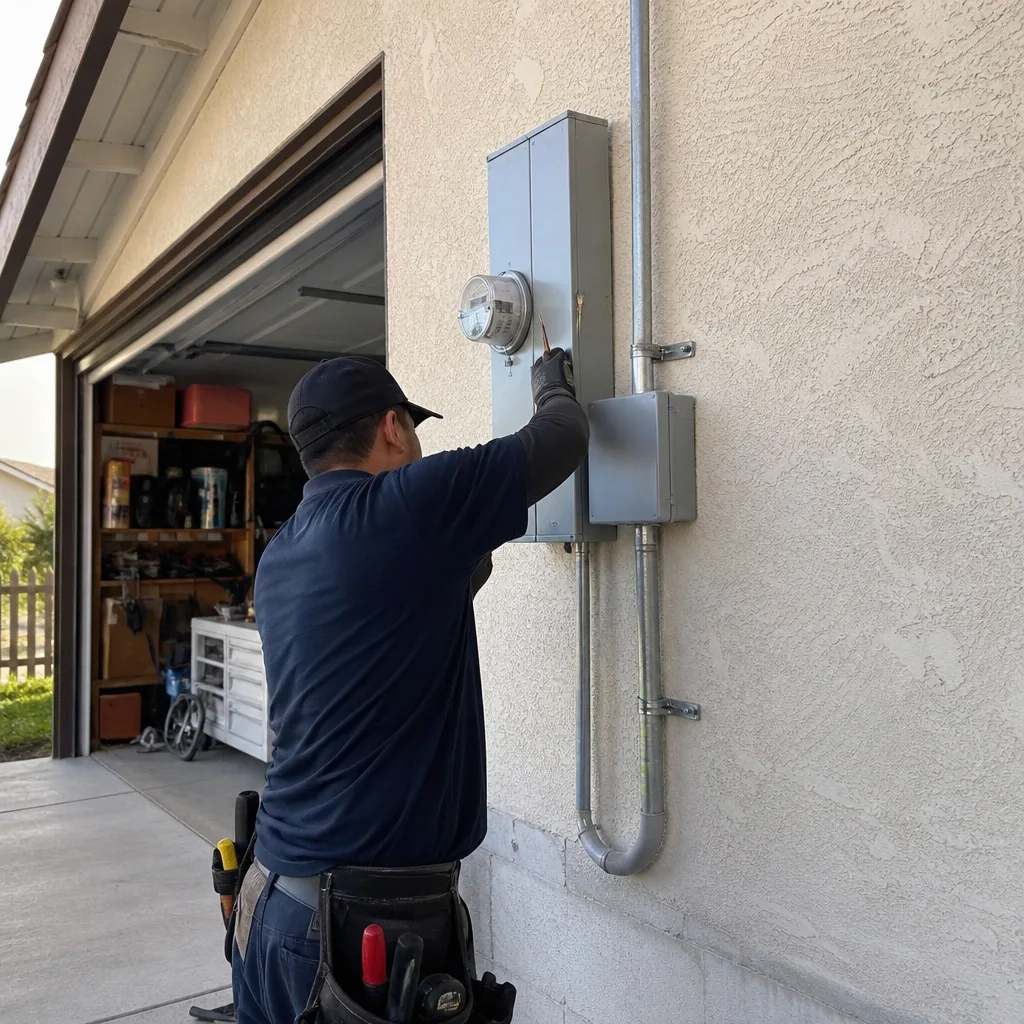
- Electrical: $3,500 to $8,500. Title 24 requires dedicated circuits for major appliances, GFCI protection within six feet of any sink, and AFCI protection on most kitchen circuits. Panel capacity upgrades (100-amp to 200-amp) run $2,800 to $5,000 and are common in 1960s and 1970s Fontana housing stock.
- Cabinetry: $8,000 to $28,000. This is the widest variable in your budget. Stock boxes from big-box lines land at the low end. KraftMaid or Wellborn semi-custom lines run $14,000 to $22,000 for an average kitchen with soft-close hardware throughout. Full custom runs $25,000-plus and rarely pencils out unless the footprint demands it.
- Countertops: $3,500 to $9,000. Laminate lands at $1,200 to $2,000 but is rare in 2026 remodels. Quartz is the default. Cambria runs $85 to $120 per square foot fabricated and installed. Silestone and Caesarstone land at $70 to $110. Granite prices have stabilized at $55 to $95 but carries more maintenance responsibility. For a 45-square-foot kitchen with an island, budget $3,800 to $5,500 for Silestone or Caesarstone, $4,500 to $6,500 for Cambria.
- Flooring: $2,500 to $6,000. Porcelain tile runs $9 to $15 per square foot installed. Luxury vinyl plank runs $7 to $12. Hardwood is $14 to $22 and is a poor choice for kitchen moisture unless you’re doing whole-house flooring continuity.
- Tile backsplash and install: $1,200 to $3,500. Standard subway tile at $25 to $35 per square foot installed. Handmade or specialty tile doubles or triples that.
- Appliance package: $6,000 to $18,000. Mid-grade (GE Profile, Bosch 500 series, KitchenAid) runs $6,000 to $10,000 for fridge, range, dishwasher, and hood. Premium (Thermador, Wolf, Sub-Zero) starts at $15,000 and climbs fast. This is a brand decision, not a contractor decision. You pick the line; we install to spec.
- Paint, trim, and finish work: $1,500 to $3,000. Includes ceiling repair, drywall patching, trim replacement around new cabinetry, and a minimum of two coats on all walls.
Add Fontana permit fees of $1,500 to $3,500 and a contingency of 8 to 10 percent for the surprises (rotted subfloor, non-compliant wiring, plumbing that was done wrong in the 1990s), and you arrive at that $38,000 to $75,000 range with honest accounting.
Bathroom Remodel Costs: What Plumbing Upgrades Really Cost
Bathrooms are the most concentrated cost-per-square-foot rooms in a Fontana home. A full-gut bathroom remodel of a standard 5×8 to 6×10 bathroom runs $18,000 to $38,000 in 2026. A powder room refresh with no plumbing or electrical changes lands at $8,000 to $14,000. A primary bath expansion that steals closet space or reconfigures layout starts at $40,000 and goes up from there.
Here’s why plumbing dominates bathroom budgets:
- Water supply re-piping: If your Fontana home was built before the mid-1990s, your supply lines are likely galvanized steel or old copper. Opening bathroom walls reveals corrosion and pinhole leaks. Re-piping from the main to the fixture runs $1,800 to $4,500 depending on access.
- Drain line reconfiguration: Moving a toilet more than a foot from the existing flange means breaking concrete slab or opening floor joists. In slab-on-grade Fontana construction (common in developments south of the 210 and throughout most of the city), this is $2,000 to $4,500 per fixture move and requires a plumbing permit inspection.
- Shower pan and waterproofing: Tile showers fail because of waterproofing, not tile. A proper Schluter system or equivalent underlayment runs $1,200 to $2,800 more than a rubber pan but eliminates the single most common bathroom failure point. This is not a place to cut cost.
- Ventilation: California building code requires mechanical ventilation in any bathroom with a shower or tub. A proper Broan or Panasonic exhaust fan with ducting to the exterior runs $450 to $900. The $40 big-box fan that vents into the attic violates code and creates mold.
Materials carry the rest of the budget. We carry plumbing fixture lines across the entire range: Delta and American Standard at the entry tier, Kohler and Moen in the sweet spot, Grohe, Toto, and Blanco at the premium end. A mid-grade bathroom with a Kohler Alcove tub, a single vanity with a Silestone top, a Toto toilet, and porcelain tile throughout runs $14,000 to $22,000 in materials alone. Premium fixtures from Grohe for the shower system and a freestanding soaking tub push material cost past $28,000.
Permit fees for a bathroom in Fontana run $1,200 to $2,800 including sub-permits. Same scope of work, unpermitted? Budget correction costs of $4,000 to $12,000 when you sell and the home inspection flags the unpermitted work.
ADU Construction in Fontana: Prefab vs. Site-Built
Fontana has been processing ADU permits aggressively since the state mandate took full effect, and the city’s fee structure is friendlier to accessory dwelling units than most San Bernardino County jurisdictions. That does not mean ADUs are cheap. A 500-square-foot one-bedroom ADU runs $180,000 to $260,000 in 2026 depending on siting, utility connections, and finish level. A larger two-bedroom unit pushes past $300,000.
Here’s the fork in the road: prefab or site-built.
Prefab ADUs
We work with Abodu, Dvele, Mighty Buildings, Boxabl, Cover, Plant Prefab, and Tuff Shed for accessory structures. Prefab ADUs arrive as factory-built modules that get craned onto a foundation. The cost structure runs $180,000 to $280,000 all-in for a turnkey unit, depending on brand and size. Abodu’s 500-square-foot unit, for example, lands at the lower end of that range and installs in a few weeks after foundation and utility work are complete. Dvele and Plant Prefab run higher because of their enclosure performance and design pedigree.
Prefab timelines run 6 to 10 months from contract to occupancy in Fontana. The factory build happens while your site work (foundation, trenching, utility laterals) runs in parallel. That overlap is where prefab saves real money.
Site-Built ADUs
Site-built ADUs run $260,000 to $350,000 for a comparable 500-square-foot unit. The construction timeline stretches to 10 to 14 months. The tradeoff is flexibility: slab-on-grade construction works better on sloping Fontana lots, and site-built allows custom ceiling heights, window placements, and rooflines that prefab units cannot accommodate.
Here’s where the costs land regardless of construction method:
- Site work and foundation: $25,000 to $50,000. Includes grading, trenching for utilities, and the foundation system. Sloped lots in the foothill neighborhoods north of the 210 add grading and retaining costs.
- Utility connections: $8,000 to $18,000. If your sewer lateral requires a new connection or the electrical service needs a sub-panel, this line item grows fast.
- The unit itself (prefab): $120,000 to $200,000. Factory-built, delivered, craned into place.
- The unit itself (site-built): $180,000 to $260,000. Framing, roofing, drywall, insulation, all trades sequenced on site.
- Permits and fees: $4,000 to $7,500 in Fontana. Plan check is the big variable; prefab units with state-approved plans reduce plan check time and cost.
- Finishes and appliances: $15,000 to $35,000. Kitchenette, bathroom fixtures, flooring, paint, and a mini-split HVAC system.
The strategic question for Fontana homeowners is this: is the ADU for rental income, or for aging parents? Rental ADUs justify a faster prefab timeline because every month of construction delay is a month of lost rent at $1,800 to $2,400 for a one-bedroom in Fontana’s rental market. A parent unit justifies the extra cost of site-built flexibility and better sound isolation.
Hardscaping and Exterior Work: Pavers, Fencing, and Siding
Fontana’s hardscaping market reflects the same material-tier economics as interior work. Pavers, fencing, and siding each carry entry, mid, and premium brand lines, and the labor spread between a competent crew and the cheapest bid is where property damage happens.
Pavers: Belgard, Unilock, and Techo-Bloc are the three brands we specify most in Fontana because their manufacturing tolerances and color consistency hold up through Inland Empire UV exposure. Installed pricing for a patio or walkway runs $18 to $32 per square foot for standard patterns. Driveways and structural applications run $25 to $40 per square foot because the base preparation goes deeper. Belgard’s mid-tier lines land at $20 to $28 per square foot installed. Techo-Bloc’s premium lines run $28 to $38. Cambridge and Tremron carry entry-to-mid pricing at $16 to $24 installed.
Base preparation is where cheap bids cut corners. A proper paver installation in Fontana requires 4 to 6 inches of compacted base under walkways and 6 to 8 inches under driveways, plus geotextile fabric over expansive soil. Fontana’s clay-heavy soil moves with moisture cycles. Skipping the base or installing a thin base over native soil guarantees paver shifting within three years.
Fencing: Master Halco, Ameristar, and Bufftech are the brands we work with for wood, ornamental steel, and vinyl respectively. A 6-foot wood fence with pressure-treated posts runs $28 to $42 per linear foot installed. Vinyl runs $35 to $55. Ornamental steel runs $55 to $90 per linear foot including the post footings. For a standard 60-foot property line, budget $1,700 to $5,400 depending on material. Fontana’s wind exposure matters here; post depth of at least 2 feet in concrete is non-negotiable for any fence over 5 feet.
Siding: James Hardie fiber-cement dominates our exterior recommendations because stucco repair and re-skin work on Fontana homes built in the 1970s and 1980s frequently exposes framing damage. Hardie plank installed runs $9 to $14 per square foot of wall surface. A full re-side of a 2,000-square-foot single-story runs $24,000 to $38,000. Ceramic and vinyl coating systems are alternatives at lower cost but carry shorter effective life in UV-heavy climate.
The exterior scope is where San Bernardino Contractors home approach changes the math. One crew sequence, one mobilization, one permit set. When you’re already replacing windows and a roof, adding siding or paver work to the same project avoids re-mobilization costs that add 5 to 10 percent per separate trade visit.
Why Phasing Projects Costs More Than Doing Them Together
The most expensive sentence we hear from Fontana homeowners is: “We’ll do the kitchen this year, the roof next year, and the windows when we save up for it.” It sounds financially prudent. It is actually the opposite. Sequential single-trade projects cost 20 to 30 percent more than a coordinated full-scope approach, and here’s the math.
Every project has fixed costs that repeat with each phase: mobilization, dumpster rental, permit fees, site protection, and the general contractor’s overhead per project. A kitchen remodel carries $3,000 to $5,000 in these fixed costs. A roofing project carries $2,000 to $4,000. A window replacement carries $1,000 to $2,500. Do them one at a time and you pay these fees three times. Do them together and you pay them once.
Then there’s the overlap economics. When a roof replacement happens at the same time as a kitchen remodel, the roofer is already on site with materials staged. The dumpster is already there. The trades coordinate in a sequence that means no one is waiting on anyone else. When you’re doing a Home Remodeling in Fontana project that spans multiple systems, the logistical efficiency alone is worth 8 to 12 percent.
Here’s what phasing really costs on a typical Fontana home with a $65,000 kitchen, a $16,000 roof, and a $25,000 window package:
- Do them sequentially: $65,000 + $16,000 + $25,000 = $106,000 in base costs. Add 3 separate permit processes ($4,500 total), 3 mobilizations ($6,000), and 3 sets of overhead ($12,000). Real total: $128,500.
- Do them together: Combined scope attracts a volume discount of 5 to 8 percent from most contractors because the risk is lower and the schedule is contiguous. Base costs drop to $97,000. One permit process ($2,800). One mobilization ($2,500). One overhead allocation ($6,500). Real total: $108,800.
- Savings: About $20,000, or 15 percent, for the same scope of work. On a full exterior-to-interior renovation with an ADU, the savings can exceed $40,000.
Beyond the money, there’s the disruption factor. Three separate construction events means three separate periods of dust, noise, trades in your home, and no parking on your street. One coordinated project means one disruption window. For a family living in the home during construction, that is worth real money in quality of life.
The single-point accountability matters too. When separate contractors work on the same house across separate years, every future problem becomes a finger-pointing exercise. The roofer blames the window installer. The window installer blames the drywall contractor. One GC owning the entire scope means one phone call when something goes wrong, and one warranty to enforce. That is not a cost savings calculation. That is the difference between a renovation that finishes and a renovation that haunts you.
Common Mistakes to Avoid
- Bidding against national averages. The $27,000 national kitchen average is a fantasy in Fontana. Price your project against Inland Empire reality or you’ll be underfunded from the start.
- Skipping the permit to save 2 to 4 percent. Fontana’s permit fees are a rounding error compared to the cost of unpermitted work discovered at resale or during an insurance claim. The inspection record is also your legal protection if work fails.
- Buying the cheapest window package to offset labor costs. Single-pane or low-quality vinyl windows in Fontana’s summer heat will cost you more in energy over five years than the upgrade cost up front. Low-E glass is not a luxury at this latitude.
- Cutting base preparation on pavers or concrete. Fontana’s clay soil moves. If your hardscape installer doesn’t compact the base and lay geotextile fabric, your patio will look like a washboard within three wet seasons.
- Using a different contractor for every trade. The “lowest bid per trade” strategy guarantees you the lowest common denominator across your whole house, no single point of accountability, and a warranty chase that never ends.
- Not budgeting for the surprises. Homes built in Fontana before 1990 hide galvanized plumbing, undersized electrical panels, and dry rot that only appears after demolition. An 8 to 10 percent contingency is the minimum. Zero contingency is a plan to fail.
- Choosing materials without a warranty strategy. Brand matters because warranty enforcement matters. A Cambria or Silestone warranty is backed by a company that will still exist in 15 years. A no-name slab from a liquidator carries no enforceable warranty at all.
When to Call a Professional
Some scopes are safe to handle as an owner-builder with permits in hand. Painting, trim work, and cosmetic updates can be done without a GC. The line is crossed when the work touches structural framing, plumbing, electrical, roofing, or anything requiring a permit that you are not personally qualified to pull. Roofing work on any pitch steeper than 4/12 is genuinely dangerous and should never be attempted without professional fall protection equipment and training. Electrical work in a 2026 Title 24 compliance environment is not a weekend project; it is a code liability. If your project spans more than one trade, or if the total budget exceeds $25,000, hiring a general contractor is the difference between a project that finishes and a project that stalls. Review our Construction Emergency Preparedness Guide for Fontana Homes before breaking ground. San Bernardino Contractors offers free estimates for Fontana homeowners, and we walk every project with a written line-item scope before any commitment. Call (855) 473-5620 to schedule yours.
Frequently Asked Questions
A whole-home remodel in Fontana runs $180 to $320 per square foot depending on finish level, which puts a 2,000-square-foot home at $360,000 to $640,000 for a comprehensive scope including kitchen, bathrooms, flooring, paint, and systems upgrades. Browse more guides & resources for room-specific breakdowns. The higher end reflects premium brand selections like Cambria countertops, Kohler or Grohe fixtures, and James Hardie siding. For an exact number on your home, call (855) 473-5620 for a free estimate.
Fontana construction costs run 18 to 25 percent above national averages because of California labor rates, workers’ compensation requirements, Title 24 electrical and energy compliance, and valuation-based permit fees. A journeyman carpenter in the Inland Empire earns $32 to $48 per hour before burden, significantly above the national average of $24 to $34. Tariff exposure on windows and HVAC equipment adds another cost layer in 2026. These are structural costs, not contractor markups.
How much are permit fees for a kitchen remodel in Fontana?
Kitchen remodel permits in Fontana run $1,500 to $3,500 including building, electrical, plumbing, and mechanical sub-permits. The exact total depends on your declared project valuation and whether plan check is required. Understating valuation to reduce fees triggers an audit and penalties. Call (855) 473-5620 and we’ll walk you through the exact
See the difference
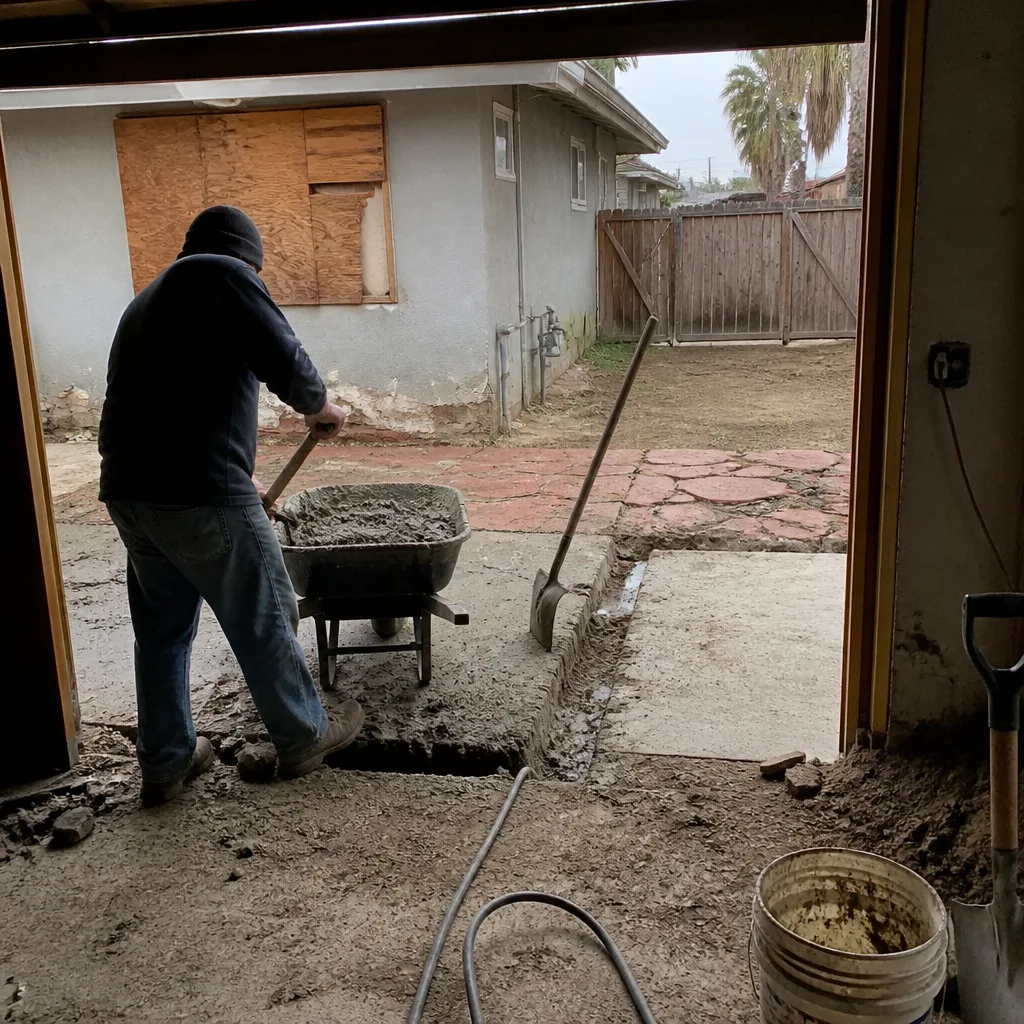 Before
 After
 Before
 After
 Before
 After