
Last updated October 30, 2026
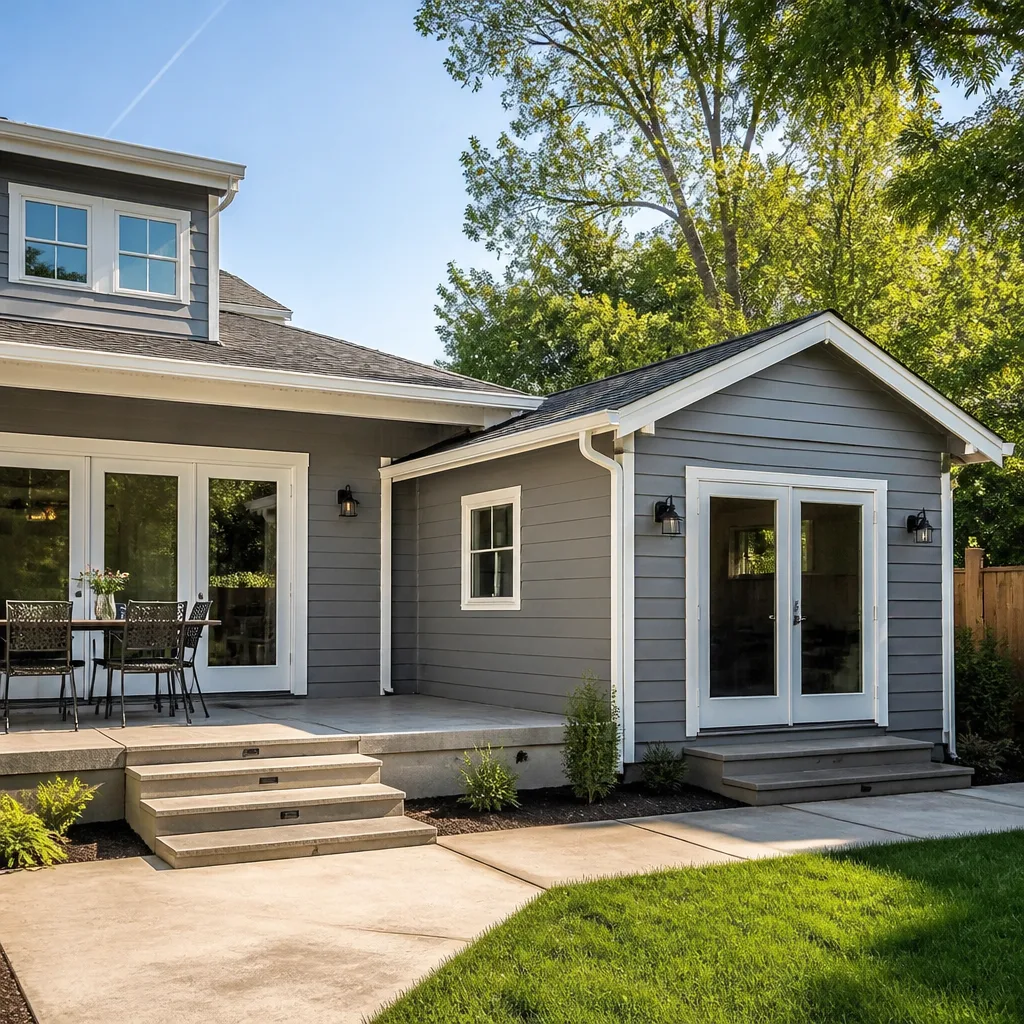 Home additions & ADU
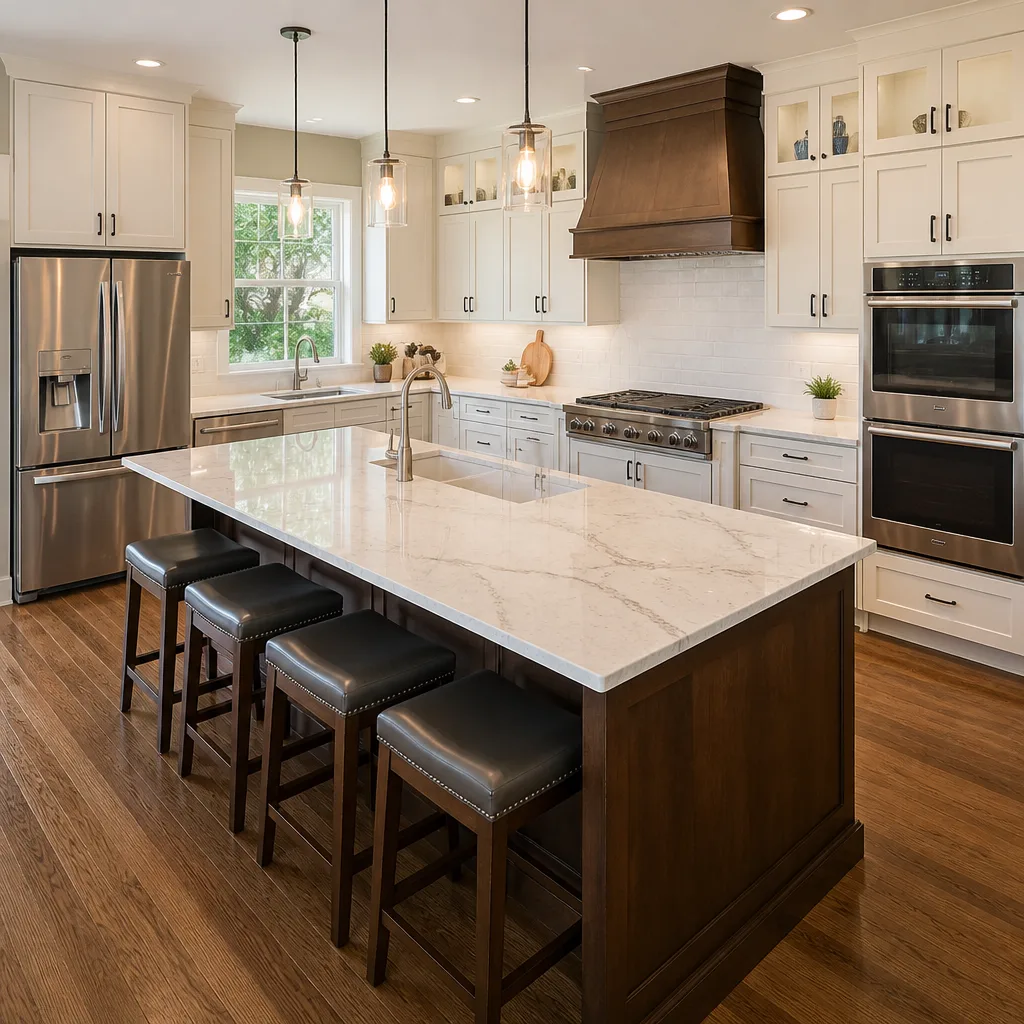 Kitchen remodeling
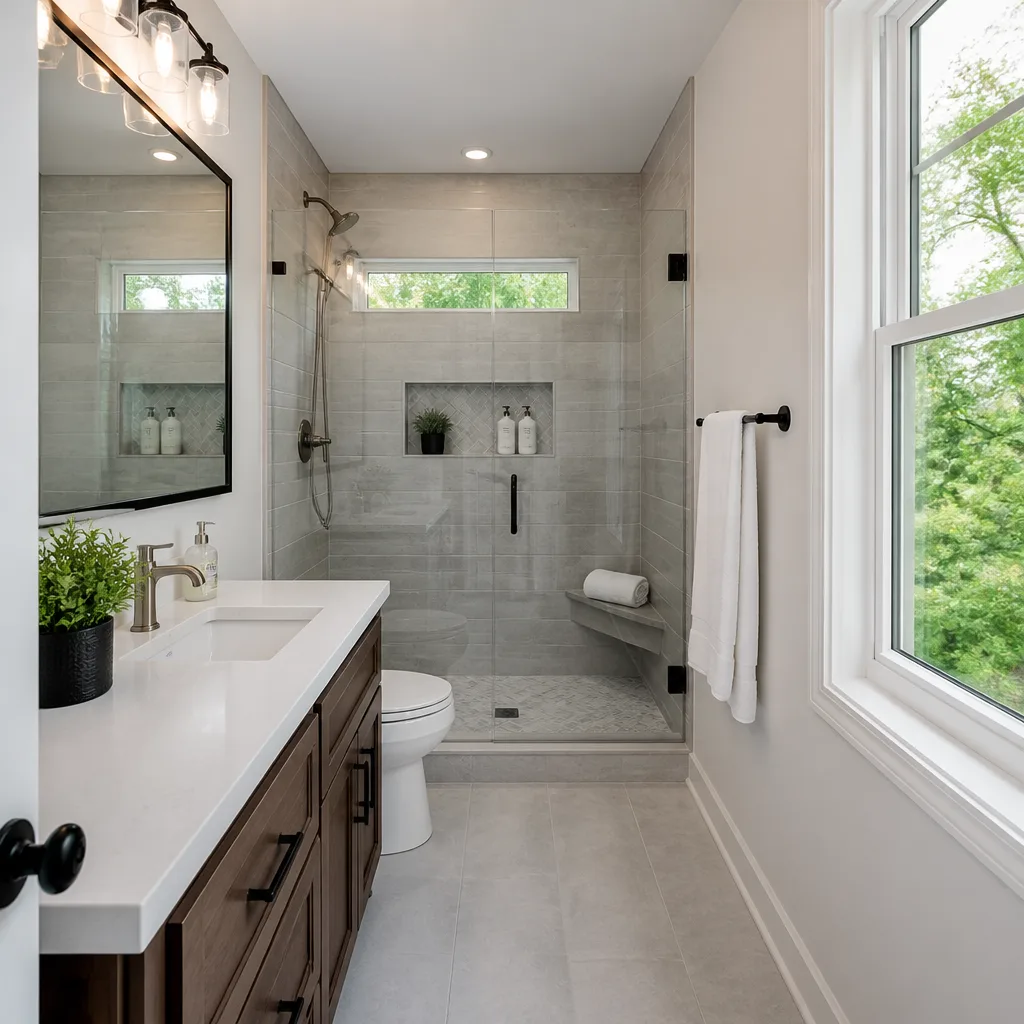 Bathroom remodeling
 Roofing
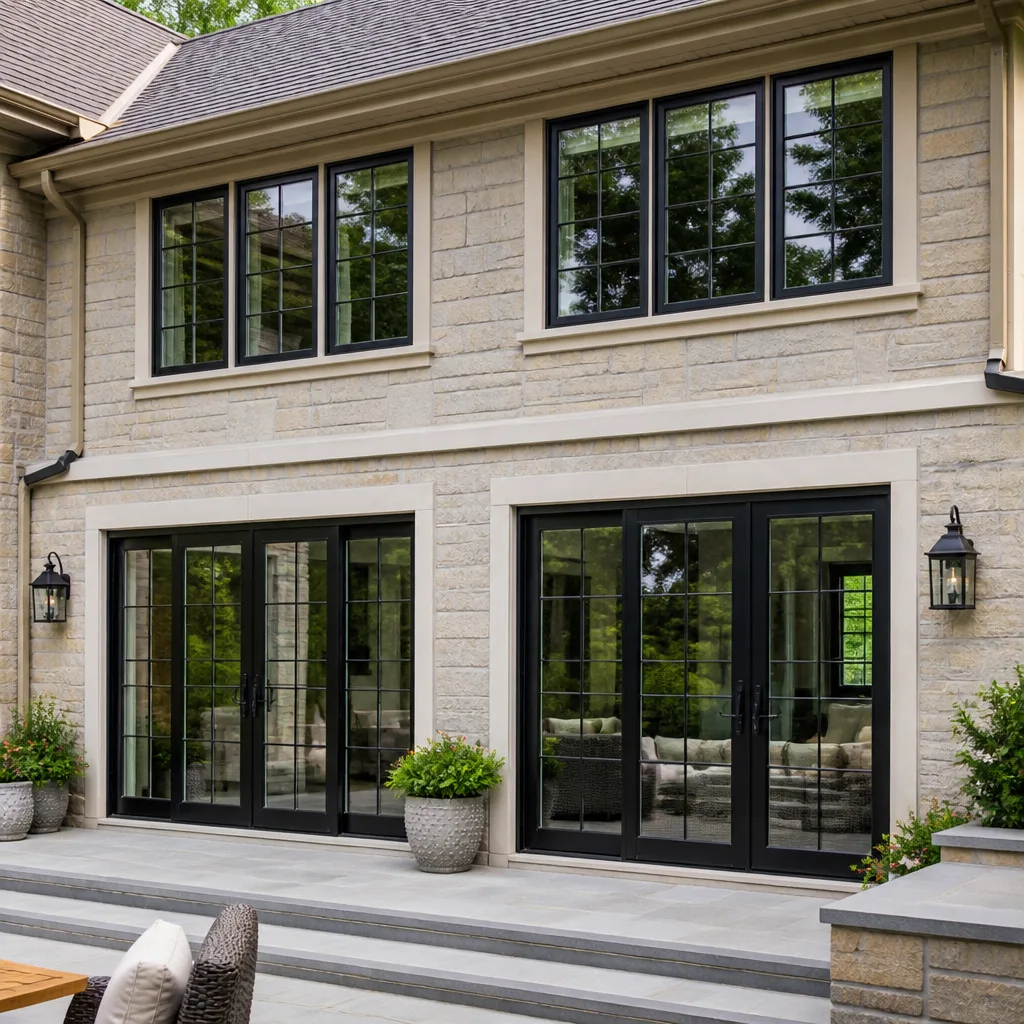 Windows & doors
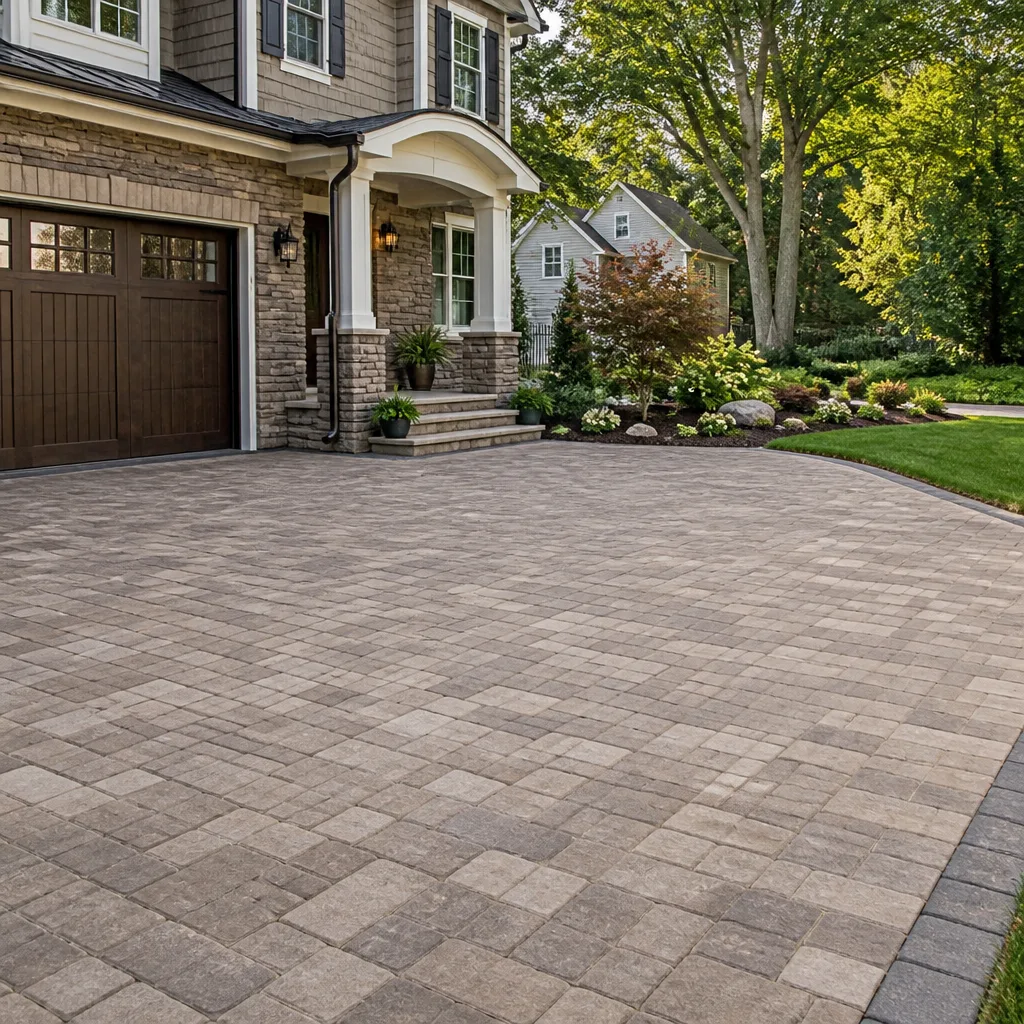 Driveway & pavers
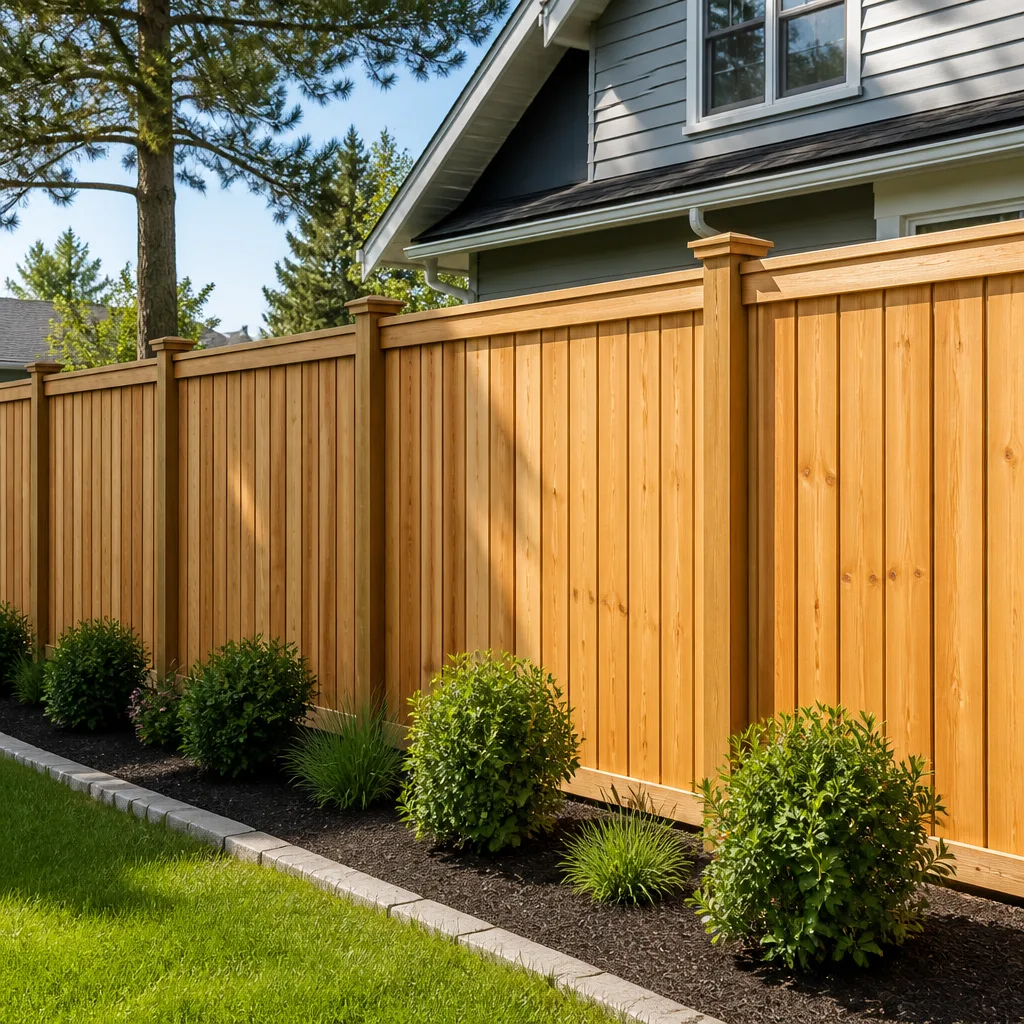 Fence
Free written scope consultation - allowances, timeline, and change-order rules on paper before a single trade is scheduled
Seasonal Construction Care for Fontana: Year-Round Homeowner’s Guide
Most Fontana homeowners schedule exterior painting in fall because it “feels right” – but Santa Ana wind events in October and November carry airborne particulate that bonds to fresh paint and degrades adhesion within the first cure cycle. That $6,000 exterior repaint just became a five-year redo instead of a twelve-year finish. Fontana doesn’t have four equal seasons. It has a brutal UV summer, a Santa Ana wind fall, a brief but real freeze-risk winter, and a spring that’s the only ideal construction window. This guide walks you through what to do in each season across Fontana, what to skip, and how to time major projects so they don’t fail prematurely. You’ll learn the maintenance calendar that actually matches this city’s climate, not coastal Southern California’s.
Styles & brands we work with
Quick Answer
Seasonal home maintenance in Fontana means doing exterior work in spring (March through May), reinforcing and inspecting during summer heat, clearing and securing before fall Santa Ana winds, and protecting against occasional winter freezes. Major construction projects – roofing, exterior painting, hardscaping, stucco work – should be scheduled between March and May to avoid heat-cure complications and fall wind contamination. The single biggest mistake Fontana homeowners make is treating this city’s climate like Los Angeles or San Diego, when the Inland Empire has its own destructive weather patterns that demand a different calendar.
Table of Contents
- Spring (March – May): The Only True Construction Window
- Summer (June – September): Inspect and Reinforce, Don’t Install
- Fall Santa Ana Season: Wind Prep and Fire-Ember Defense
- Winter Freeze Risk: What Sub-Freezing Nights Actually Do
- Timing Permits to Avoid Fontana’s Spring Backlog
- Interior Work: Why It’s the Year-Round Exception
- Common Mistakes to Avoid
- When to Call a Professional
- Frequently Asked Questions
- The Bottom Line
Spring (March – May): The Only True Construction Window
If you’re planning exterior work in Fontana – roofing, painting, stucco repair, hardscape installation, paver patios – spring is not just the best time. It’s close to the only time. Between March and May, daytime temperatures typically sit in the 70s and 80s, humidity is low enough for proper curing, and the Santa Anas haven’t started.
What to Schedule in Spring
- Roofing and roof repairs: Asphalt shingles need temperatures between 45°F and 85°F to seal properly. Spring gives you that window. By June, roof deck temperatures in Fontana regularly exceed 140°F, which makes shingles too pliable to walk on and causes sealant to cure too fast. If you’re considering GAF or CertainTeed roofing systems, spring installation maximizes the manufacturer’s performance window.
- Exterior painting and stucco repair: Paint needs several days of stable temperatures and no wind-blown debris to cure. Fontana’s spring gives you that. By fall, you’re gambling against Santa Anas. Stucco cracks should be filled and sealed in spring too, before summer heat expands the substrate and makes patches pop.
- Hardscape and paver installation: Belgard and Unilock paver systems require compacted base material that behaves predictably in moderate temperatures. Installing pavers in July means working with base material that’s too hot and dry, which leads to settling and uneven surfaces within two years.
- Window and door replacement: If you’re upgrading to PGT impact windows or Therma-Tru doors, spring installation means the sealants cure before summer heat hits. It’s also easier to find contractor availability before the fall rush.
The home remodeling in Fontana projects we manage consistently show the same pattern: exterior work started in March finishes on time. Exterior work started in July runs into heat delays, material handling issues, and workers who can only safely work in early morning hours.
Why Spring Works and Fall Doesn’t
The reason comes down to cure chemistry. Paint, stucco, sealant, mortar, and roofing adhesives all cure through solvent evaporation or chemical reaction. Both processes have temperature windows. Too cold, they slow down and stay tacky. Too hot, they skin over before the interior cures, which creates a weak bond that fails within a few years. Fontana’s spring sits in the sweet spot almost every day.
Fall would work in a vacuum, but Fontana’s October and November Santa Ana winds carry dust, sand, and plant particulate – some of it from as far as the Cajon Pass. That particulate lands on fresh paint and wet sealant, embedding itself in the finish. You can’t see it immediately, but it compromises adhesion and creates micro-pitting that collects dirt and moisture over time.
Summer (June – September): Inspect and Reinforce, Don’t Install
Fontana summers routinely hit 95°F to 105°F, with heat waves pushing past 110°F. Surface temperatures on south-facing walls, roofs, and concrete can exceed 150°F. This is not an installation season for most exterior materials. It’s an inspection and reinforcement season.
What to Do During Summer Heat
- Inspect attic ventilation: Attic temperatures in Fontana can reach 160°F to 180°F in July and August. That heat radiates into living spaces and forces AC systems to work harder. Check that ridge vents, soffit vents, and gable vents are unobstructed. If the attic has no ventilation, summer is the time to plan a ventilation upgrade, but schedule the install for fall or spring.
- Check sun-exposed deck surfaces: Composite decking expands and contracts with temperature swings. South- and west-facing decks in Fontana experience the most dramatic expansion. Look for buckling, gaps at the ends, and fastener pops. Wood decks should be checked for cracking and splintering, especially on the top surface of railings.
- Inspect window and door seals: If you can see daylight around a closed door or feel heat radiating through closed windows, the seal has failed. Summer is when failed seals are most obvious. New windows are a spring or fall job, but summer identification helps you plan.
- Check stucco for hairline cracks: Stucco expands in heat, and existing micro-cracks will widen. Summer is the best time to spot them. Mark them with chalk or tape, then schedule a repair for spring when the material is stable enough for patching to bond correctly.
- Clean and inspect AC condensate lines: In Fontana humidity swings, condensate lines can clog with algae and mineral buildup, causing water to back up and damage nearby drywall or flooring.
Summer is also the right time to plan interior work. Kitchen and bathroom remodels happen indoors where the heat doesn’t affect material curing the same way. If you’re planning a kitchen overhaul with KraftMaid cabinetry or quartz countertops from Cambria or Silestone, summer is actually a good time because contractor availability often opens up while exterior crews wait for cooler weather.
Fall Santa Ana Season: Wind Prep and Fire-Ember Defense
Santa Ana winds in Fontana typically run from October through December, with peak intensity in October and November. These are dry, hot winds that blast through the Cajon Pass and down into the Inland Empire. Gusts regularly hit 40 – 60 mph in the wind corridors of north Fontana, and they carry sand, dust, and embers if there’s an active fire anywhere upwind.
Pre-Wind Checklist for Fontana Homes
- Clear gutters and downspouts: Fall leaves from sycamore, liquidambar, and Chinese elm trees common in Fontana neighborhoods clog gutters quickly. A clogged gutter in a Santa Ana event turns into a waterfall running down your stucco or siding, which accelerates water damage even though there’s no rain. If you have gutter guards, verify they’re seated correctly.
- Inspect roof fasteners and edge flashing: Santa Anas lift shingles from the edges. Walk the perimeter visually (or have a roofing professional do it) and look for lifted tabs, exposed nails, or loose flashing at eaves and rakes. One loose edge shingle becomes a 15-foot tear within an hour of sustained wind.
- Screen vents against embers: If you live in or near any fire-adjacent area of Fontana – including neighborhoods near the foothills or anywhere with open chaparral nearby – verify all attic and crawl space vents are screened with 1/8-inch mesh. Embers don’t need to land on your roof to ignite your home. They get sucked into attic vents and smolder in insulation.
- Secure or store loose yard items: Patio furniture, garbage bins, and children’s toys become wind-driven projectiles in a Santa Ana. Store them or anchor them.
- Trim dead branches overhanging the roof: A 60 mph gust turns a 20-pound dead limb into a missile that can puncture decking and underlayment. Trim anything dead within 10 feet of the roofline.
Do not schedule exterior painting, stucco work, or sealant application between October and early December. The wind resets every few days, and the particulate load in the air during these events is extraordinary. We’ve seen fresh exterior paint on a Fontana home develop a gritty, dull surface within a week because the homeowner painted during an “unusually calm” stretch in November. Two weeks later, a single wind event undid the entire finish.
Winter Freeze Risk: What Sub-Freezing Nights Actually Do
Fontana’s winter is mild by national standards, but it’s not freeze-free. Between December and February, overnight temperatures occasionally drop below 32°F, especially in the northern parts of the city and anywhere near the foothills. Those cold nights do specific damage that homeowners in coastal Southern California never think about.
What Freezing Nights Damage in Fontana
- Uninsulated exterior plumbing: Outdoor spigots, hose bibs, and exposed pipes in exterior walls can freeze and burst. A burst pipe inside an exterior wall may not show itself immediately. The leak can run into wall cavities and slab areas for weeks before you notice staining. Fontana homes built before 1990 often have plumbing in exterior walls with minimal insulation.
- Tile grout in outdoor applications: Grout absorbs water. When that water freezes, it expands and micro-fractures the grout. Repeated freeze-thaw cycles – even just 10 to 15 nights per winter – turn grout from solid to chalky. That’s why you see spa surrounds, outdoor kitchens, and pool decking in Fontana with crumbling grout after just a few years.
- Stucco micro-cracks: Stucco is porous. Water gets into hairline cracks, freezes, and expands the crack further. Then the next heat wave opens it more. This freeze-thaw cycle is the primary reason why small stucco cracks in Fontana homes become wide cracks that let water into the wall system within two to three years.
- Irrigation backflow devices: Above-ground backflow preventers freeze and crack. This is one of the most common winter insurance claims in the Inland Empire.
Winter Protection Steps
- Disconnect hoses and drain outdoor spigots before the first freeze forecast.
- Insulate exposed pipes with foam sleeves, available at any home improvement store in Fontana.
- Cover or wrap backflow preventers when temperatures are forecast to drop below freezing.
- Inspect stucco for cracks in December, and seal small ones with a caulk product rated for exterior stucco – but note that full repair is best done in spring for full curing.
- If you’re planning a remodel that involves plumbing in exterior walls, ask about relocating pipes or adding insulation during the project. This is especially relevant for home renovation in Fontana projects involving older homes.
Timing Permits to Avoid Fontana’s Spring Backlog
Every year, Fontana’s building department gets flooded with permit applications in March and April. Homeowners who waited through winter to file their plans all submit at the same time. The result is a 3 to 6 week inspection backlog that pushes projects from spring into summer, which then pushes exterior work into the worst possible installation window.
How to Time Your Permit Application
- For spring construction start: Submit your permit application in January or early February. Plan review takes time, and submitting before the rush means your project gets reviewed before the March logjam.
- For summer interior work: Submit in April or May. Interior remodels don’t have the same weather constraints, and the building department’s exterior project load doesn’t interfere as much with interior review.
- For fall hardscape or outdoor kitchen work: Submit in July or August. Hardscape installation in fall is usually fine in Fontana – the heat has broken by October, and Santa Anas don’t typically affect ground-level masonry work the way they affect paints and sealants.
- ADU projects: These have the longest review timelines because they involve plan check, site plan review, and utility coordination. If you’re planning an ADU with a partner like Abodu or Plant Prefab, start the permit conversation 4 to 6 months before you want the project built.
We’ve worked with homeowners who filed in March hoping to start a roof replacement in April, only to have inspection delays push the project into June, when roof deck temperatures made the work unsafe. The general contractor in Fontana who files early is the one who gets the spring construction window.
Interior Work: Why It’s the Year-Round Exception
Everything above focuses on exterior work because exterior materials are weather-sensitive. Interior remodeling – kitchens, bathrooms, flooring, drywall, electrical, plumbing – happens in climate-controlled spaces, which means it can proceed in any season. That’s one of the advantages of working with a contractor who handles both interior and exterior scope: you can schedule interior work in the months when exterior work isn’t viable, keeping your project pipeline moving year-round.
Best Seasons for Specific Interior Projects
- Kitchen remodels with cabinetry and countertops: Summer and winter. KraftMaid cabinetry, Cambria quartz, and Silestone surfaces don’t care about outside temperature. Summer is often best because contractor availability opens up.
- Bathroom remodels with plumbing fixture upgrades: Any season. Kohler, Moen, Grohe, and Delta fixtures install identically whether it’s 45°F or 105°F outside. Winter is a natural time for bathroom work in Fontana because it’s the one season when exterior crews are least busy.
- Flooring installation: Late spring or fall. Hardwood and engineered flooring need moderate indoor humidity, which corresponds to Fontana’s spring and fall shoulder seasons. Summer heat plus whole-house AC can dry flooring and create gaps; winter heating does the opposite.
- Interior painting: Any season, but spring and fall have the best ventilation conditions for opening windows without fighting extreme heat or cold.
The year-round nature of interior work is one reason why a full-service contractor makes sense for Fontana homeowners. While the exterior is waiting for the right window, the interior can be moving. You don’t lose months to weather. You shift the project indoors and keep going.
Common Mistakes to Avoid
- Painting in October or November: You’re betting against Santa Ana winds, and the odds are not in your favor. The particulate load in Fontana air during fall wind events will compromise your finish even if the paint “looks fine” for the first few weeks.
- Installing a new roof in July or August: Shingles need a specific temperature range to seal. Midday roof deck temperatures in a Fontana summer are far outside that range. If a roofer tells you they can do it anyway, ask them how they’re managing sealant temperature – a professional will tell you to wait.
- Ignoring small stucco cracks: Those hairline cracks you see in summer will be freeze-expanded by winter and heat-expanded by next summer. What costs $300 to seal in spring becomes a $3,000 stucco remediation two years later.
- Filing permits in March for a spring start: The building department backlog is real. File in January or February. This one timing mistake pushes countless Fontana projects from the ideal spring window into the summer heat.
- Not screening attic vents in fire-adjacent neighborhoods: If you live anywhere near the foothills or open brushland in Fontana, unscreened vents are an ember entry point. This is one of the cheapest protections you can install, and one of the most commonly missed.
- Leaving hoses connected over winter: It only takes one sub-freezing night and a connected hose to burst a spigot. This happens in Fontana every single winter, and it’s almost always preventable.
- Treating hardscape installation like it’s weather-neutral: Paver base material behaves differently in extreme heat. Compacted base that was installed at 100°F settles differently than base installed at 75°F. If your paver patio was installed in summer and it’s already uneven, this is likely why.
When to Call a Professional
Some maintenance tasks are homeowner-level – clearing gutters, disconnecting hoses, checking vent screens. Others need a trained eye and the right equipment. If you’re not comfortable on a ladder, don’t inspect your own roof. If you see multiple stucco cracks, water staining on interior walls, or a roof with lifted shingles after a Santa Ana event, call a professional before the problem compounds.
If your home in Fontana needs exterior work that’s been deferred through the wrong season, if your stucco has crumbled from freeze-thaw cycles, or if you’re planning a whole-home renovation that spans roofing, siding, hardscaping, and interior finishes, San Bernardino Contractors offers free estimates in Fontana. Call (855) 473-5620 to schedule an evaluation. One contractor, every phase – from the roof down to the pavers.
Frequently Asked Questions
The best time to paint a house in Fontana is March through May, when temperatures are stable in the 70s and 80s, humidity is low, and Santa Ana winds haven’t started. Fall painting is a common mistake because October and November wind events carry airborne particulate that degrades paint adhesion. Call (855) 473-5620 if you’re planning an exterior repaint and want help timing it correctly.
Gutters in Fontana should be cleaned at least twice per year – once in late September before Santa Ana season and once in late December after fall leaf drop. See our more guides & resources for year-round maintenance tips. Homes with heavy tree coverage, especially sycamore or liquidambar trees common in older Fontana neighborhoods, may need quarterly cleaning. Clogged gutters during Santa Anas channel water down the home’s exterior even without rain, causing stucco and siding damage.
Yes, but not the way you would in colder climates. Fontana winterization means disconnecting hoses, draining outdoor spigots, insulating exposed pipes, and covering irrigation backflow preventers before forecasted sub-freezing nights. It also means checking stucco cracks in December so freeze-thaw cycles don’t widen them. These steps take a few hours total and prevent the most common winter damage in the Inland Empire.
You can, but the base material won’t compact the same way at 100°F as it does at 75°F. Summer-installed paver patios in Fontana are more likely to settle unevenly within the first two years. If you have to install in summer, work in early morning hours and keep the base material as cool and moist as possible. The better choice is a spring or fall installation – call (855) 473-5620 for a free estimate on paver work.
File your permit application in January or early February for a March or April construction start, as outlined in The Complete Guide to Construction in Fontana. Fontana’s building department receives a flood of applications in March, which creates a 3 to 6 week inspection backlog. Filing early means your review happens before the logjam, and your project can start in the optimal spring window.
Summer is often the best season for a kitchen remodel in Fontana because interior work isn’t affected by outside temperature, and contractor availability typically opens up when exterior crews pause for the heat. KraftMaid cabinetry, Cambria or Silestone countertops, and Kohler or Moen fixtures install identically in any season, so you can schedule interior work in months when exterior work isn’t viable.
Parts of Fontana near the foothills and open chaparral are classified as wildfire-adjacent, and even homes several miles from wildland can be exposed to wind-driven embers during Santa Ana events. The most important fire-ember protection is 1/8-inch mesh screening on all attic and crawl space vents. Check your screens every September and replace any that are torn, pushed in, or missing.
Written by the team at San Bernardino Contractors, serving Fontana since 2015.
See the difference
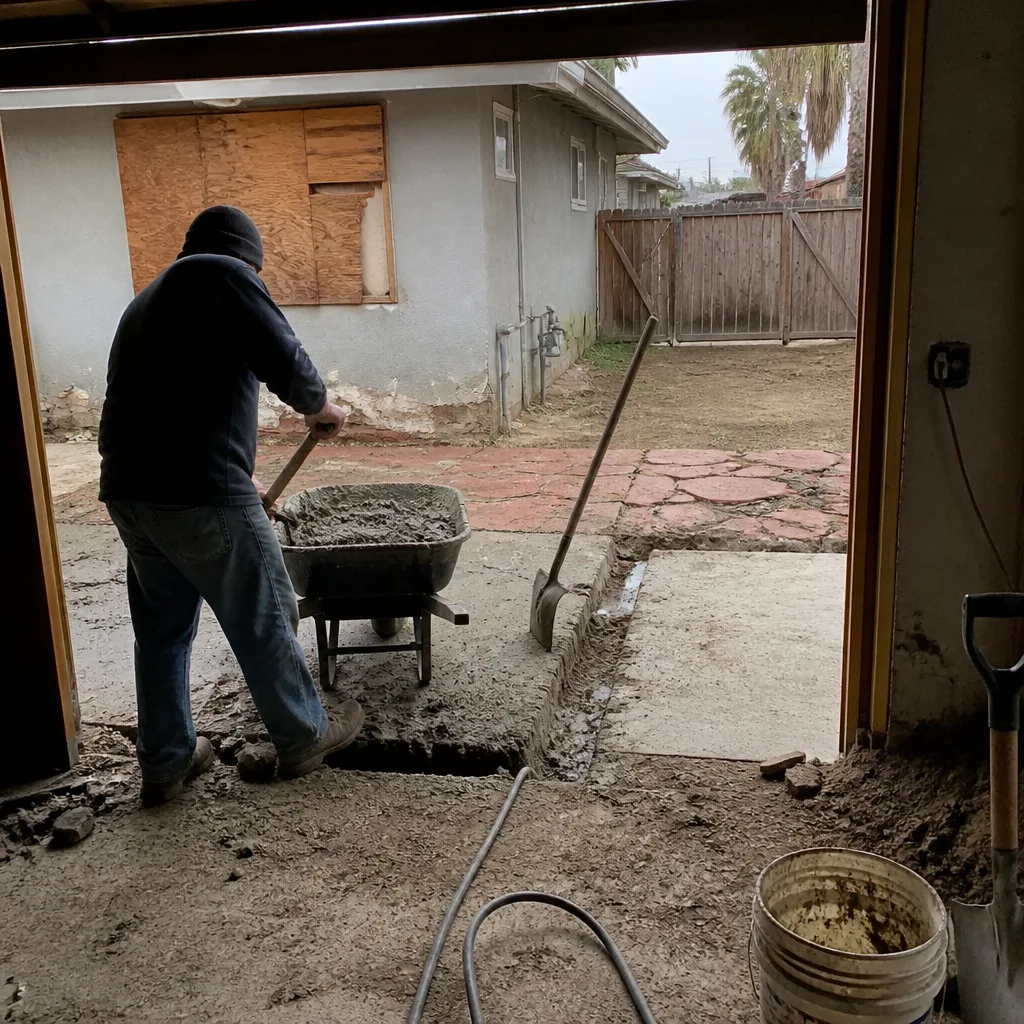 Before
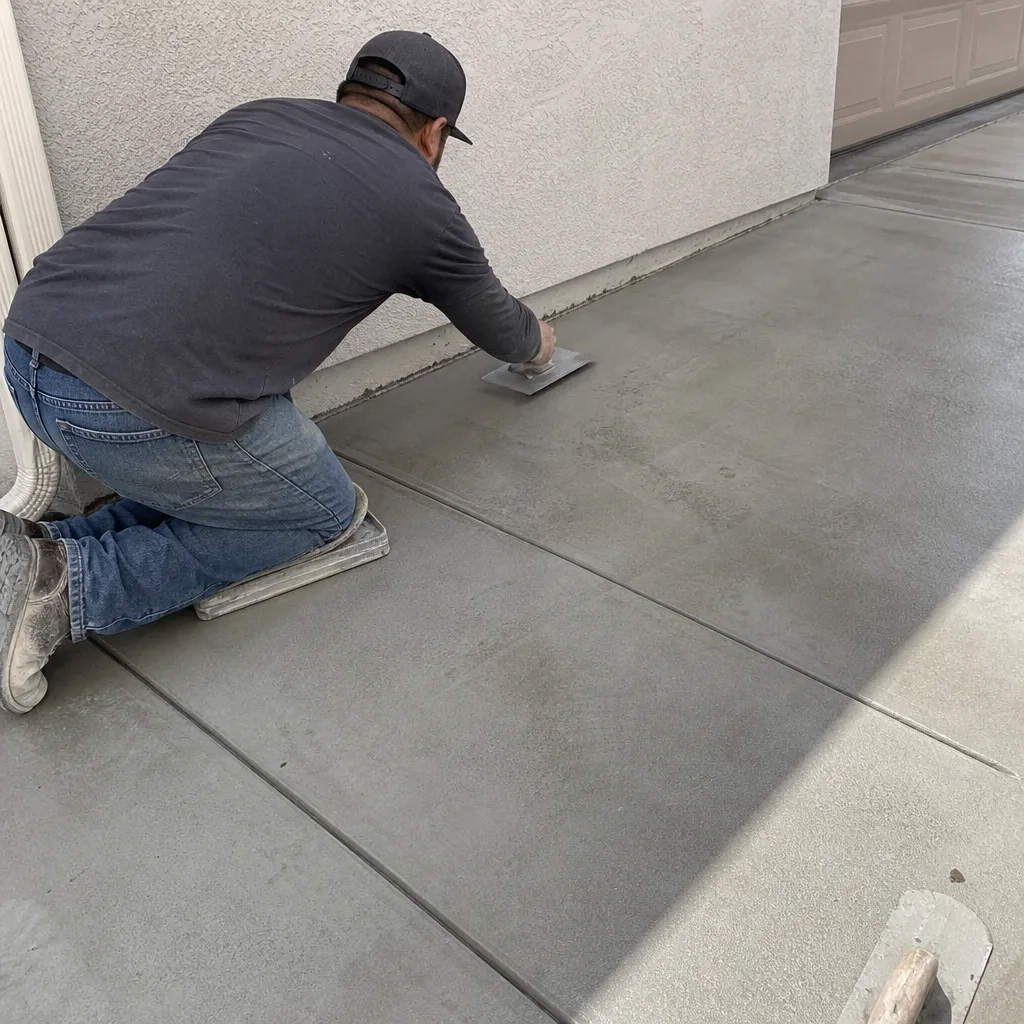 After
 Before
 After
 Before
 After