Last updated October 30, 2026
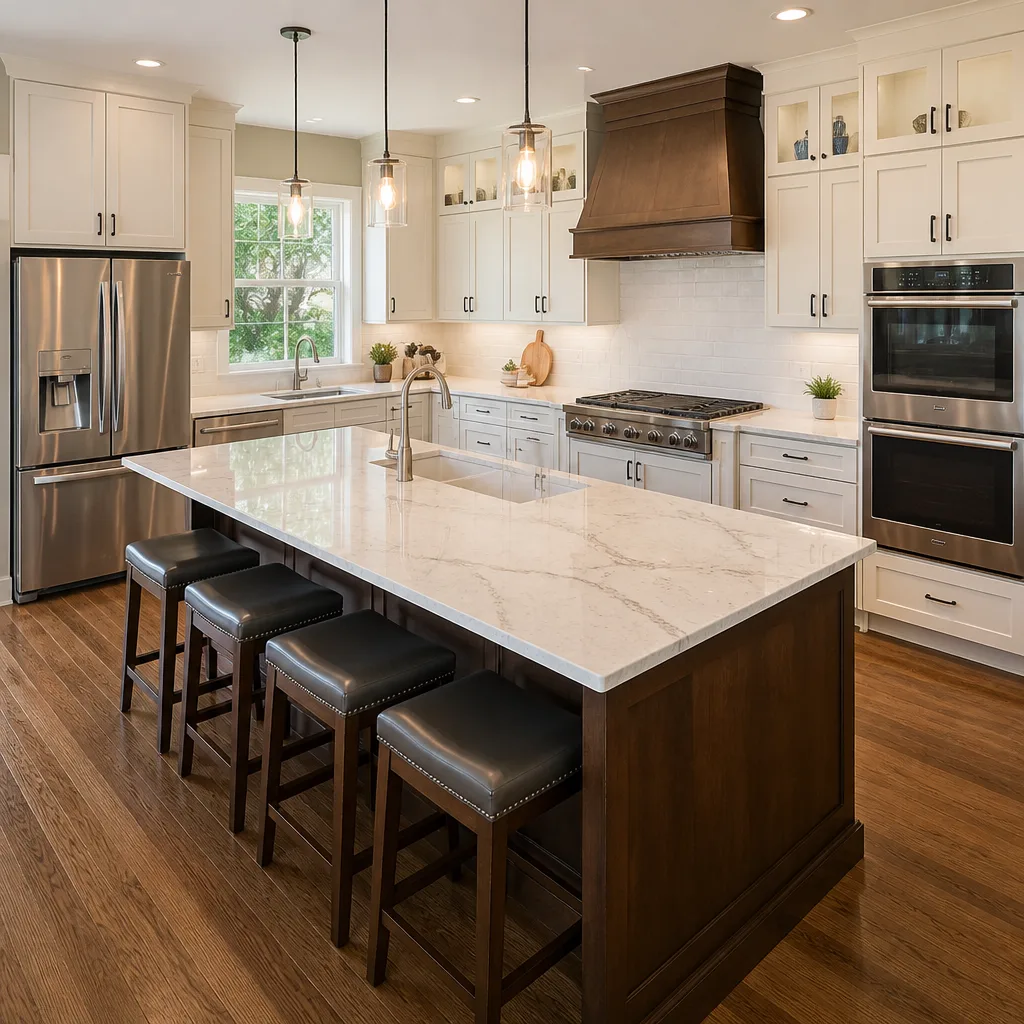 Kitchen remodeling
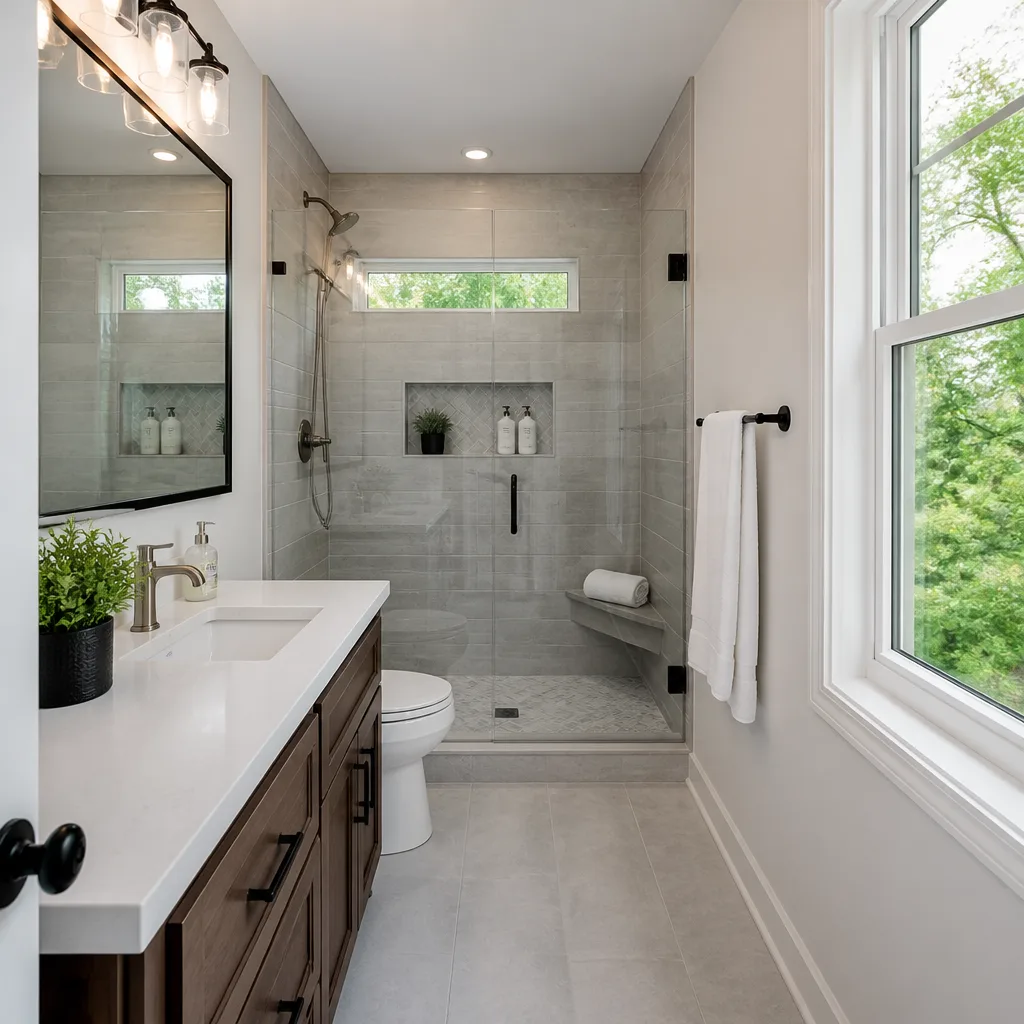 Bathroom remodeling
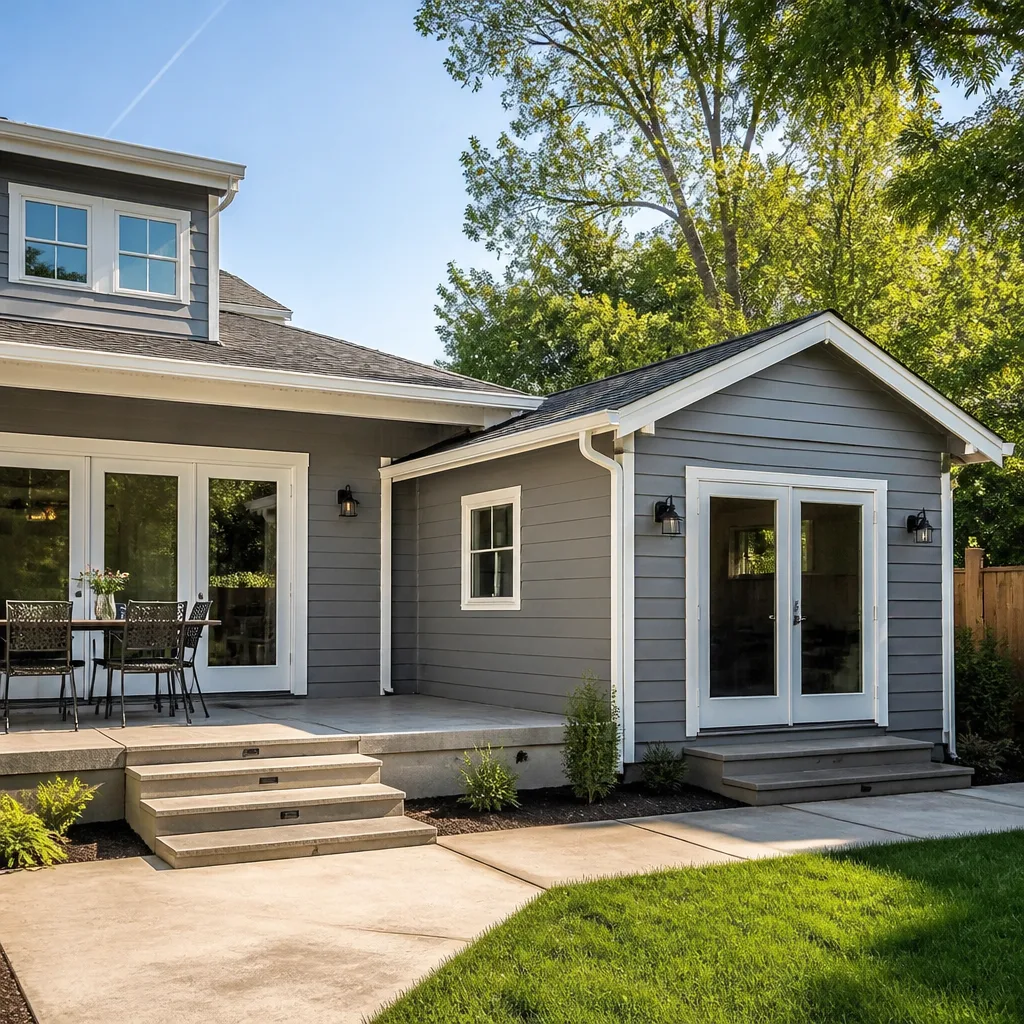 Home additions & ADU
 Roofing
 Windows & doors
 Driveway & pavers
 Fence
Free written scope consultation - allowances, timeline, and change-order rules on paper before a single trade is scheduled
Choosing the Right Construction Brand: A Buyer’s Guide for Fontana
Fifty brands sound impressive until your contractor tells you two weeks into the job that the Milgard window line you specified has a 10-week lead time and suggests a substitute. At that point, your “brand choice” was never really yours. This guide—part of our The Complete Guide to Construction in Fontana—is built for Fontana homeowners who want real control over material selection: what to ask before you sign, which brand differences actually matter in the Inland Empire climate, and how to confirm your contractor can truly source what they put on the quote. We’ll cover warranty verification, performance specs that matter in Fontana’s heat, and where mid-tier brands beat premium labels.
Quick Answer
The right construction brand for a Fontana home is the one whose performance specifications match local climate stressors (high UV, temperature swings, occasional heavy rain), whose warranty is honored because your contractor is an authorized installer, and whose lead time fits your project schedule. Before choosing any brand, confirm the contractor’s installer authorization in writing, read the warranty’s fine print on transferability and claims, and ask whether the specific product line is in stock or on allocation for 2026.
Styles & brands we work with
Table of Contents
- Why Brand Choice Is Really a Sourcing Question
- What Fontana’s Climate Does to Building Materials
- How to Verify Contractor Authorization for Any Brand
- Brand Tiers: Where Spending More Buys Durability
- How to Read a Brand Warranty Document
- Lead Time Realities for 2026: What’s Actually Available
- Sequencing Material Orders to Avoid Delays
- Common Mistakes to Avoid
Why Brand Choice Is Really a Sourcing Question
Here’s what most Fontana homeowners don’t realize: the brand name on your quote only matters if the contractor has a live purchasing relationship with that manufacturer or an authorized distributor. Any contractor can write “Kohler” or “GAF” on a proposal. Getting the product delivered, installed to spec, and warrantied is a different matter entirely.
We see this all the time in Fontana. A homeowner gets three bids for a kitchen remodel. Two contractors list “custom cabinetry.” One lists Wellborn or KraftMaid with a specific door style and finish code. The difference is not just specificity: it’s whether the contractor has an account with the manufacturer, knows the lead time on that particular line, and can pull the order through their own channel rather than buying retail and marking it up.
When you’re evaluating a General Contractor in Fontana, ask this question directly: “Do you have a current account with this manufacturer, or are you buying through a third party?” A contractor with direct accounts can confirm availability on the spot, quote accurate lead times, and resolve warranty claims without a middleman. A contractor buying through a big-box store or an unfamiliar distributor has less control over what actually arrives on your job site.
This matters because Fontana’s home remodeling projects often involve multiple product categories at once. When one contractor handles roofing, windows, cabinetry, and hardscaping, their sourcing relationships across all those trades determine whether the project stays on schedule. A brand name without a sourcing channel is just a word on paper.
What Fontana’s Climate Does to Building Materials
Fontana sits in the Inland Empire, where summer temperatures routinely exceed 100°F, UV exposure is intense year-round, and the air carries dust from the Santa Ana winds. These conditions aren’t cosmetic. They degrade specific materials in predictable ways, and the brand you choose should be evaluated against those failure points.
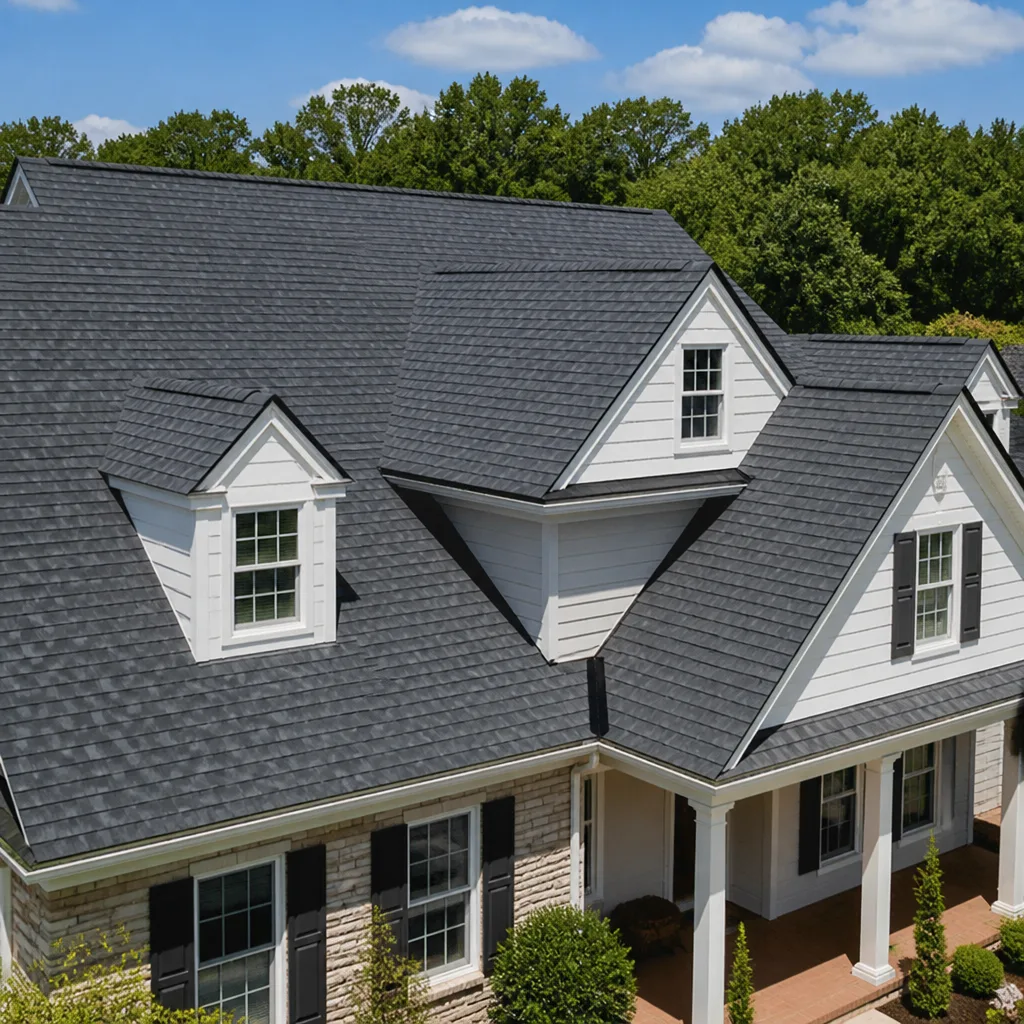
Roofing: Asphalt shingles in Fontana lose granules faster than in coastal climates. The UV radiation breaks down the asphalt binder, which is why granule retention matters more than shingle weight. GAF’s Advanced Protection shingles and CertainTeed’s Landmark line both use modified asphalt formulations designed for high-UV regions. Owens Corning’s Duration series has a fabric-reinforced nailing strip that resists blow-off during Santa Ana wind events. The brand difference here is measurable: premium shingles from these three manufacturers typically carry wind ratings up to 130 mph and include algae-resistance, which matters less in Fontana’s dry climate than in humid regions but still affects resale.
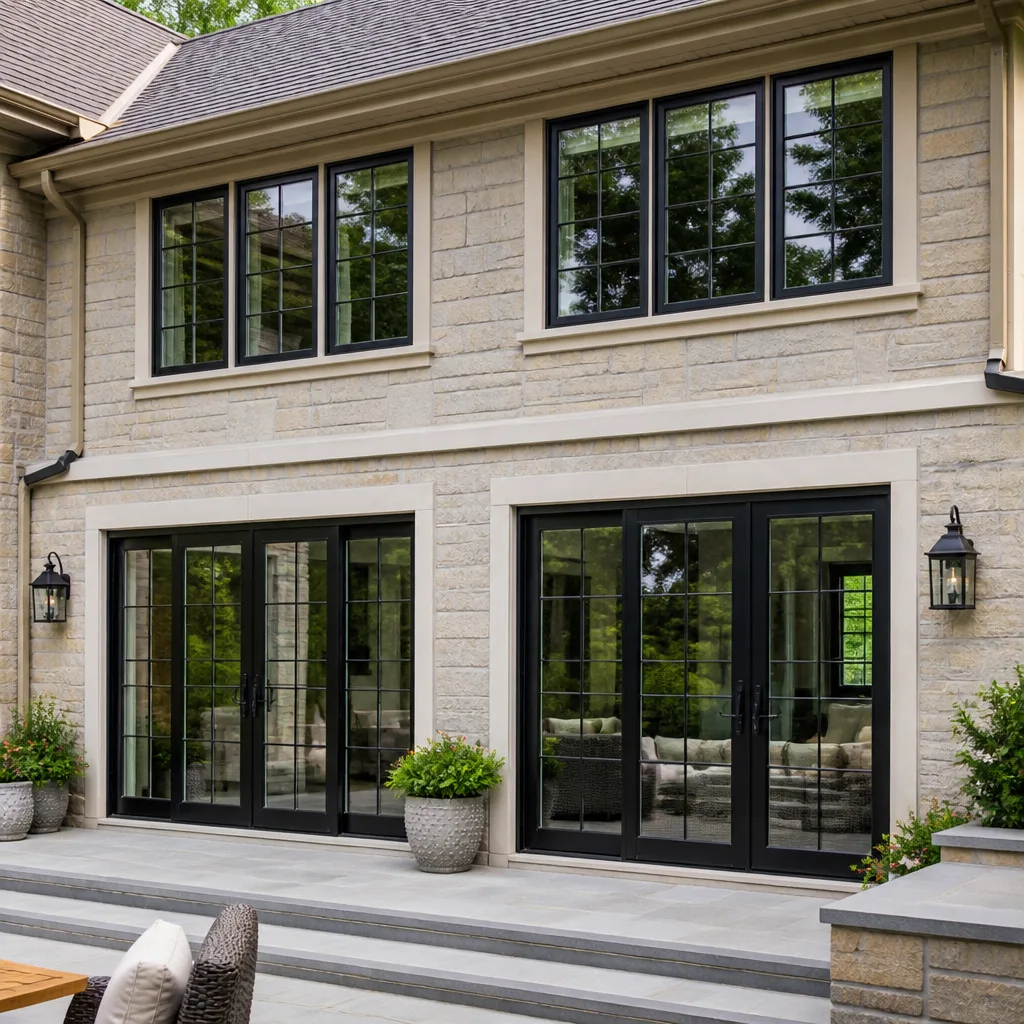
Windows and Doors: Fontana’s temperature swings, from near-freezing winter nights to 110°F summer afternoons, test window frame integrity. Vinyl frames expand and contract with temperature changes. Cheap vinyl will warp or develop seal failures within five to seven years in Fontana’s climate. Brands like Milgard, with their Tuscany and Trinsic lines, engineer for higher expansion tolerances. PGT and CGI impact windows, designed originally for hurricane zones, are built with reinforced frames that happen to handle Inland Empire temperature swings exceptionally well. Therma-Tru doors, particularly their fiberglass lines, don’t warp the way wood doors do in low-humidity, high-heat environments.
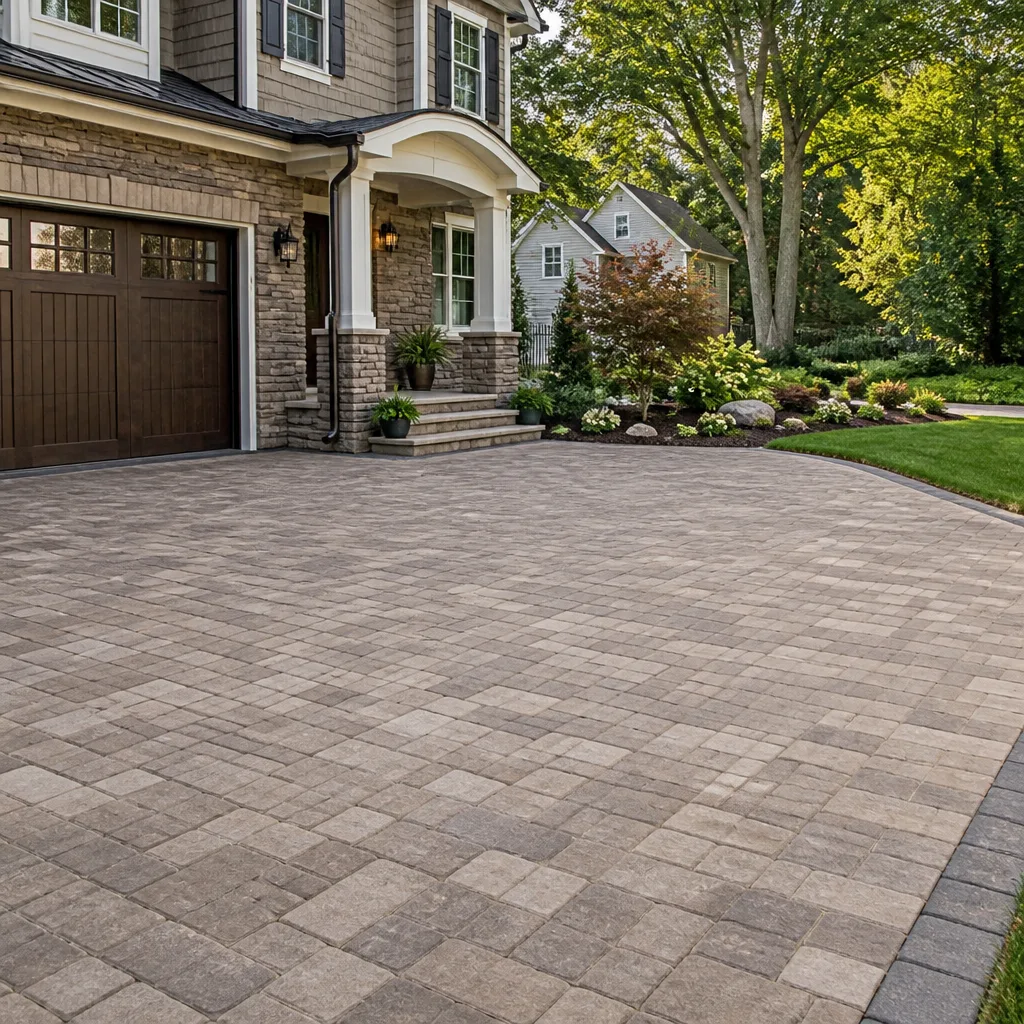
Hardscaping and Pavers: Concrete pavers in Fontana face a specific problem: thermal cycling. Pavers expand during the day and contract at night. Over years, this can cause shifting and cracking if the base isn’t right or if the paver density is low. Cambridge Pavers and Oldcastle both manufacture high-compression units designed for this. Quikrete and Sakrete products, commonly used for paver bases and setting beds, come in formulations specific to dry climates. The right base material prevents the paver shift that’s common in Fontana’s clay-heavy, expansive soil.
Countertops: Quartz surfaces have largely replaced granite in Fontana remodels for one reason: they don’t require sealing. In a dry climate, granite can still stain if not sealed properly, but quartz like Cambria, Silestone, and Caesarstone is non-porous by design. The brand differences here are in resin quality and color consistency across slabs. Premium quartz brands use higher-grade resins that resist yellowing under prolonged UV exposure, a consideration if your kitchen gets direct afternoon sun.
How to Verify Contractor Authorization for Any Brand
This is the step most Fontana homeowners skip, and it’s the one that costs them money later. Unauthorized installation voids most product warranties regardless of who made the mistake. If a roofing crew installs GAF shingles without GAF certification, and the shingles fail prematurely, GAF will not honor the material warranty. The contractor’s workmanship warranty might still apply, but the manufacturer’s coverage is gone.
Here’s the verification process, in order:
- Ask for the certification document. Every major manufacturer issues a certificate or badge to authorized installers. GAF has three levels: GAF Certified, Master Elite, and President’s Club. CertainTeed has Credentialed and Select ShingleMaster. These aren’t marketing titles; they require specific training and ongoing compliance.
- Verify directly with the manufacturer. Every brand has a “Find a Pro” or installer locator on their website. Enter the contractor’s name and confirm they appear in the database. This takes five minutes and eliminates the possibility of a contractor showing you an outdated or fabricated certificate.
- Ask about the specific product line. Authorization is often product-specific. A contractor might be authorized for GAF Timberline shingles but not for GAF’s solar or commercial lines. For your project, the relevant authorization is for the exact product being specified.
- Request the warranty registration process in writing. Authorized installers can typically register your product warranty on your behalf at installation. Get this in writing before work begins. If the contractor hesitates, that’s a signal they’re not authorized for that brand.
- Check the brand’s minimum installation standards. Most manufacturers publish installation requirements that supersede local building codes when they’re stricter. An authorized installer is trained on these standards. An unauthorized installer may not even know they exist.
In Fontana, where home renovation projects frequently span multiple trades, this verification process should be repeated for each major product category. A contractor might be GAF-certified for roofing but not Cambria-certified for countertops. That’s normal. What matters is that every brand on your quote has a corresponding certification.
Brand Tiers: Where Spending More Buys Durability
Not every premium brand upgrade is worth the money for a Fontana home. Some represent genuine performance improvements; others are marketing differentiation with a higher price tag. Here’s the breakdown by category, based on what we’ve observed across hundreds of Inland Empire projects.
Roofing: Premium Pays Off
In roofing, the price gap between entry-level and premium shingles is justified by measurable differences. Entry-level three-tab shingles typically carry 60-70 mph wind ratings. Premium architectural shingles from GAF, CertainTeed, and Owens Corning carry 110-130 mph ratings, offer better granule retention under UV (meaning they last closer to their rated lifespan in Fontana’s climate), and include wind warranties that actually cover the conditions Santa Ana season brings. For a roof in Fontana, this is money well spent. Spending beyond architectural shingles into premium designer lines adds aesthetic value, but the durability gains diminish.
Windows: Mid-Tier Is the Smart Value
Window pricing varies dramatically by frame material and glass package, but the mid-tier vinyl and fiberglass lines from Milgard, Simonton, and Jeld-Wen offer the best value for Fontana homes. These lines include Low-E coatings and argon gas fills that handle the Inland Empire’s heat load. The premium step up to brands like PGT or CGI matters if you want impact resistance or maximum frame rigidity; otherwise, the performance difference between a mid-tier and premium vinyl window of the same glass package is marginal. What matters more than the brand premium is the Low-E coating spec and the frame material’s expansion rating.
Countertops: Brand Matters Less Than You Think
Cambria, Silestone, and Caesarstone are all excellent quartz products. The honest truth is that the performance difference between them is small. Cambria is made in the USA and offers a lifetime warranty to the original owner. Silestone includes a bacteriostatic protection. Caesarstone has an extensive color range. The choice among these three is primarily aesthetic and warranty-driven, not performance-driven. Where you should not compromise is moving from quartz down to low-grade laminate or tile if the goal is resale value. In Fontana’s current market, quartz countertops are a baseline expectation for remodeled kitchens.
Hardscaping: Base Materials Matter More Than Paver Brand
When it comes to pavers, Cambridge Pavers and Oldcastle both produce quality units. The larger variable is what goes underneath. Quikrete and Sakrete both make paver base products, and the difference between a properly compacted base and an inadequate one will show up as paver movement within the first two years. Spending extra on premium paver brands without investing in proper base preparation is wasteful. Conversely, even a budget paver on a properly engineered base will perform well in Fontana’s soil conditions.
How to Read a Brand Warranty Document
Brand warranties are written to protect the manufacturer first and the homeowner second. Knowing how to parse the fine print ensures you understand what you’re actually getting. For any product you’re considering, pull the warranty document and check these four elements.
- Coverage duration and proration. A “lifetime warranty” rarely means lifetime coverage at full value. Most warranties are prorated after a certain period. For example, a 50-year roofing warranty might pay 100% of material costs for the first 10 years, then decline by a percentage each year after. Know where the proration cliff falls.
- What voids the warranty. This is the critical section. Common voiders include: installation by a non-authorized contractor, failure to register the warranty within a specified window (often 30-60 days), transferring the warranty improperly, or performing modifications to the product. Some manufacturers void warranties if the product is exposed to conditions exceeding stated tolerances, which matters for Fontana’s heat.
- Transferability to a new owner. If you might sell your Fontana home within the warranty period, check whether the coverage transfers and what the terms are. Some brands offer full transfer to the first subsequent owner; others charge a transfer fee or reduce coverage for the new owner. A transferable warranty adds real resale value to a remodeled home.
- Claims process and installer involvement. Many manufacturers require the original installing contractor to file the warranty claim. If your contractor goes out of business or stops answering calls, your warranty may be unenforceable in practice. This is a strong argument for choosing a contractor with an established presence in Fontana and a track record of standing behind their work. It also reinforces the importance of authorized installation: the claims chain only works if the original installer was certified.
Lead Time Realities for 2026: What’s Actually Available
The supply chain has mostly stabilized since the disruptions of the early 2020s, but specific product categories still carry extended lead times that can derail a Fontana remodel if not planned for. Here’s what to expect in 2026.
Custom and semi-custom cabinetry: 6 to 12 weeks is normal for KraftMaid and Wellborn, with 8 to 10 weeks being the typical range. If a Fontana contractor quotes a 3-week cabinet delivery for semi-custom, they’re either quoting a stock line or they don’t have current lead time data.
Premium windows: Some Milgard, PGT, and CGI product lines still run 6 to 12 weeks depending on glass packages and frame customization. Standard sizes and stock glass packages ship faster. The lesson: confirm the exact product line and options before committing to a timeline.
Quartz countertops: Cambria typically runs 2 to 4 weeks from template to install. Silestone and Caesarstone are similar. This is one category where lead times have largely normalized.
Roofing materials: Shingles from GAF, CertainTeed, and Owens Corning are generally available within 1 to 2 weeks for standard colors. Specialty colors or premium lines may extend to 4 weeks. Roofing is the least likely category to delay your project, assuming the contractor has current distributor relationships.
Pavers and hardscaping: Cambridge Pavers and Oldcastle products are typically available within 1 to 3 weeks for standard lines. Custom colors or special-order shapes can run 4 to 6 weeks. Quikrete and Sakrete bagged products are commodity items available immediately.
The brands that cause the most schedule pain in Fontana are custom windows and semi-custom cabinetry. Those two categories should be ordered first, before demolition begins, whenever possible.
Sequencing Material Orders to Avoid Delays
The order in which you place material orders has more impact on your project timeline than most Fontana homeowners realize. Here’s the sequence that works best for whole-home projects, where multiple trades and materials are in play.
- Order windows and doors first. These carry the longest lead times, especially for custom sizes or premium glass packages. Place this order the day you sign your contract.
- Order cabinetry second. Semi-custom cabinet lead times of 8 to 10 weeks mean you want this order placed within the first two weeks of the project.
- Order specialty plumbing fixtures after layout is finalized. Kohler, Grohe, and Toto products have varying availability. Standard finishes ship quickly; specialty finishes may not. Confirm with the manufacturer before specifying.
- Order countertops after cabinet installation is scheduled. Quartz templating happens after cabinets are installed, so the countertop order naturally falls later. The risk here is choosing a stone that’s backordered or discontinued, so confirm availability when you select the slab.
- Order roofing and hardscaping materials to coordinate with trade availability. These have the shortest lead times, so they should be sequenced to arrive just before their respective trade starts.
A contractor who manages this sequencing for you is providing real value. When a Fontana homeowner tries to coordinate multiple specialists independently, the odds of a sequencing error, where material arrives before the trade is ready or the trade waits on material, go up significantly. One contractor managing the entire sequence across roofing, windows, cabinetry, and hardscaping eliminates that coordination burden.
Common Mistakes to Avoid
- Choosing a brand before choosing a contractor. The right order is to find a contractor with legitimate sourcing relationships across the brands you care about, then make your selections. Picking a brand first and then finding a contractor who “can probably get it” is backward.
- Accepting a quote with brand names but no specific product lines. “Kohler fixtures” is not a product specification. “Kohler Purist faucet in brushed nickel, model K-14406-4-BN” is. The second version tells you exactly what you’re getting and makes substitution harder to slip through.
- Ignoring the warranty’s proration schedule. A lifetime warranty that prorates to 10% coverage after year 15 is not meaningfully different from a 15-year warranty. Read the proration terms.
- Failing to verify installer authorization. This is the mistake that voids most warranties in Fontana. Five minutes on the manufacturer’s installer locator tool prevents it.
- Letting lead times dictate brand choices by default. If the brand you want has a 10-week lead time, sometimes that’s worth waiting for. A substitute you didn’t choose is worse than a delay you planned for.
- Overpaying for premium brands in categories where mid-tier performs equally well. In windows and countertops, the performance difference between mid-tier and premium is often small. Spend the money where it buys durability: roofing and hardscaping base materials.
- Not confirming whether the warranty transfers to a new owner. If you may sell your Fontana home within the warranty period, a non-transferable warranty loses value the day you close.
See the difference
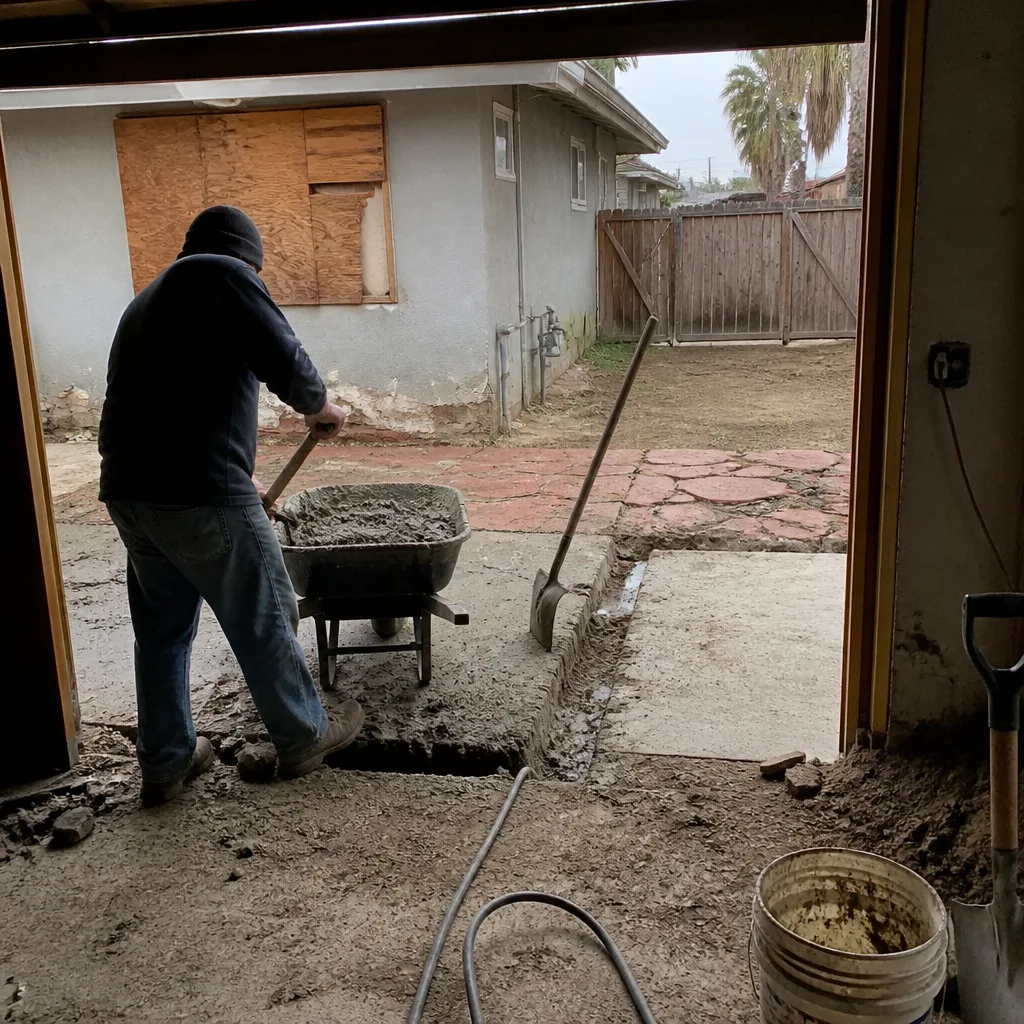 Before
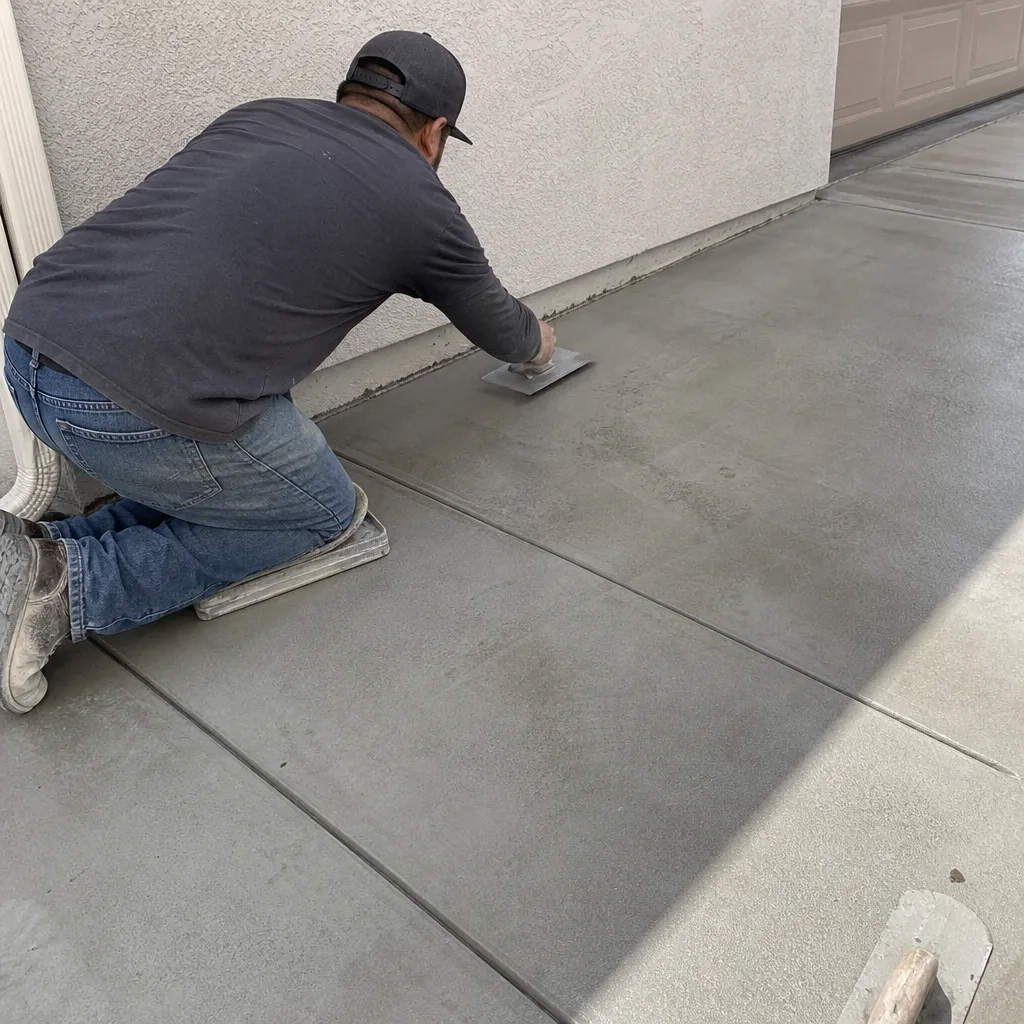 After
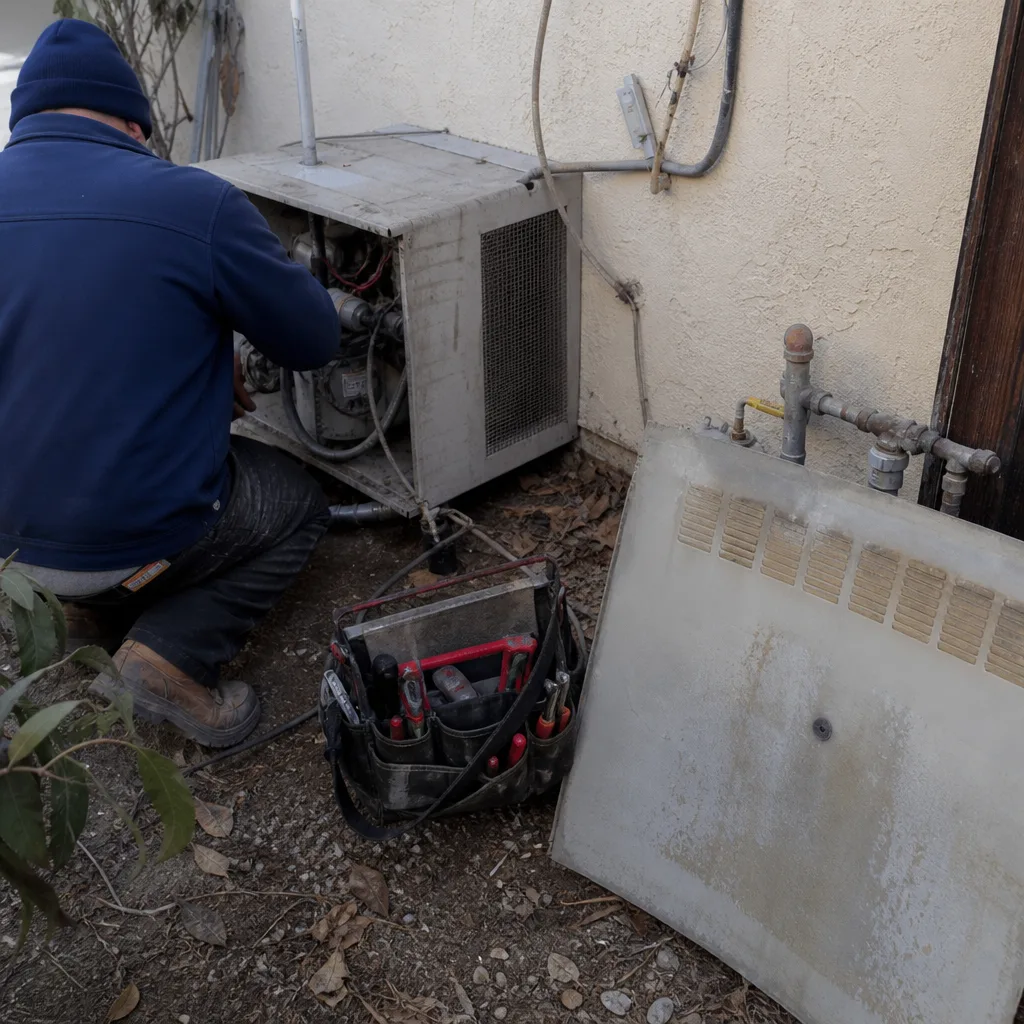 Before
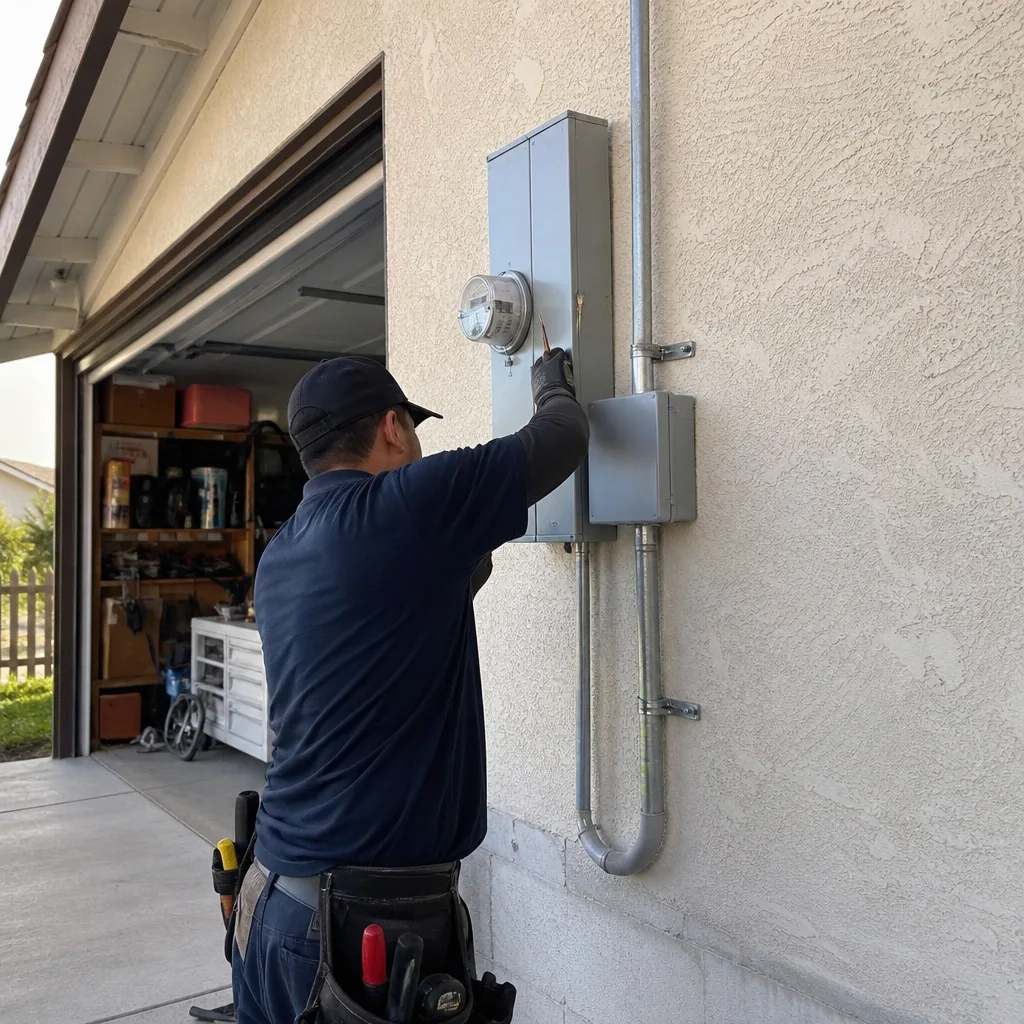 After
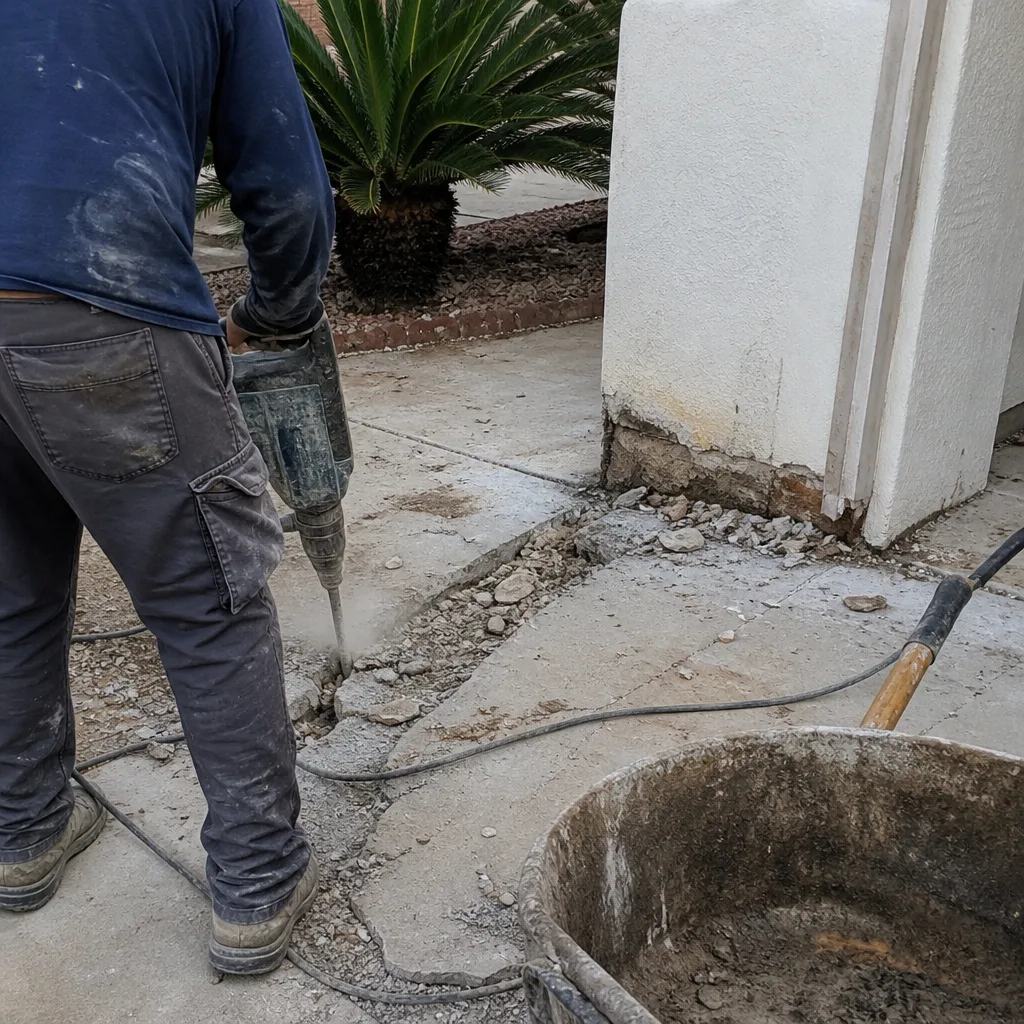 Before
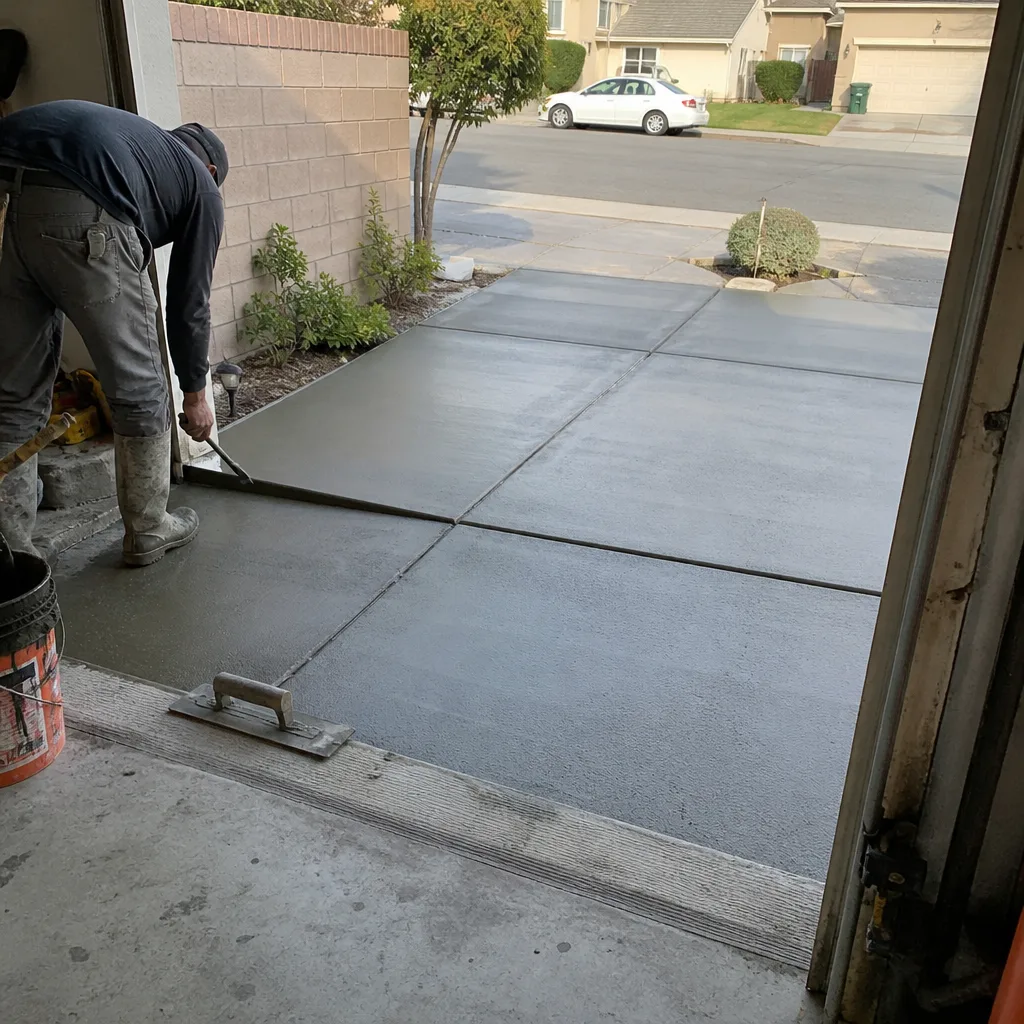 After
When to Call a Professional
Brand research gets you most of the way, but there are moments when a Fontana homeowner should bring in a professional rather than continue alone. If you’re planning a project that spans multiple trades, say roofing plus windows plus a kitchen remodel, the material coordination alone justifies a single point of contact. If you’ve received quotes with brand names you don’t recognize, a contractor who works with 50+ named product lines can tell you whether that brand is a genuine player or a distributor’s house label. And if you’re considering an ADU or prefab addition, the brand conversation expands to manufacturers like Abodu, Dvele, and Boxabl, territory where most general remodelers have no experience. San Bernardino Contractors offers free estimates in Fontana. Call (855) 473-5620 to talk through your project.
Frequently Asked Questions
The best brands for Fontana are those engineered for high UV and temperature swings: GAF, CertainTeed, or Owens Corning for roofing; Milgard or PGT for windows; Cambria or Silestone for countertops; and Cambridge Pavers or Oldcastle for hardscaping. The right choice for your project depends on the specific product line, your budget tier, and whether your contractor is an authorized installer.
Verify directly on the manufacturer’s website using their installer locator tool, and ask the contractor for their certification document for the specific product line being specified. Unauthorized installation voids most material warranties regardless of who made the installation error. Call (855) 473-5620 to discuss any brand authorization questions.
In roofing, yes, the performance gap is measurable in wind ratings, granule retention, and UV resistance. In windows, the mid-tier and premium lines from the same manufacturer often use identical glass packages, so the premium difference is primarily frame material. In countertops, the top quartz brands differ mainly in warranty terms and aesthetics, not durability. Match the brand tier to the category and your goals.
Plan for 6 to 12 weeks on semi-custom cabinetry, 6 to 12 weeks on premium windows, 2 to 4 weeks on quartz countertops, and 1 to 3 weeks on roofing and hardscaping materials. Order windows and cabinetry first to keep your Fontana project on schedule.
The most common warranty voiders are installation by a non-authorized contractor, failure to register the warranty within the required window, transferring the warranty improperly, and modifying the product after installation. Some warranties also exclude damage from conditions beyond stated tolerances, which matters for Fontana’s extreme heat.
Yes. The brand roster spans cabinetry (KraftMaid, Wellborn), countertops (Cambria, Silestone, Caesarstone), roofing (GAF, CertainTeed, Owens Corning), plumbing (Kohler, Grohe, Toto), and hardscaping (Belgard, Unilock, Techo-Bloc). For project-specific brand availability in Fontana, call (855) 473-5620 for a free estimate.
The Bottom Line
Brand selection in construction is a three-part equation: performance spec, warranty coverage, and sourcing reality. For Fontana homeowners, the performance spec must account for high UV and temperature swings, which means premium roofing pays off while mid-tier windows and countertops deliver comparable value. Warranty coverage only counts if your contractor is an authorized installer, verified through the manufacturer directly. And sourcing reality means the brand on your quote only matters if the contractor can actually get it delivered on schedule. Master those three variables and your brand choices will be genuinely yours.
Written by the team at San Bernardino Contractors, serving Fontana since 2015. Explore more guides & resources for Inland Empire homeowners.