
Last updated October 30, 2026
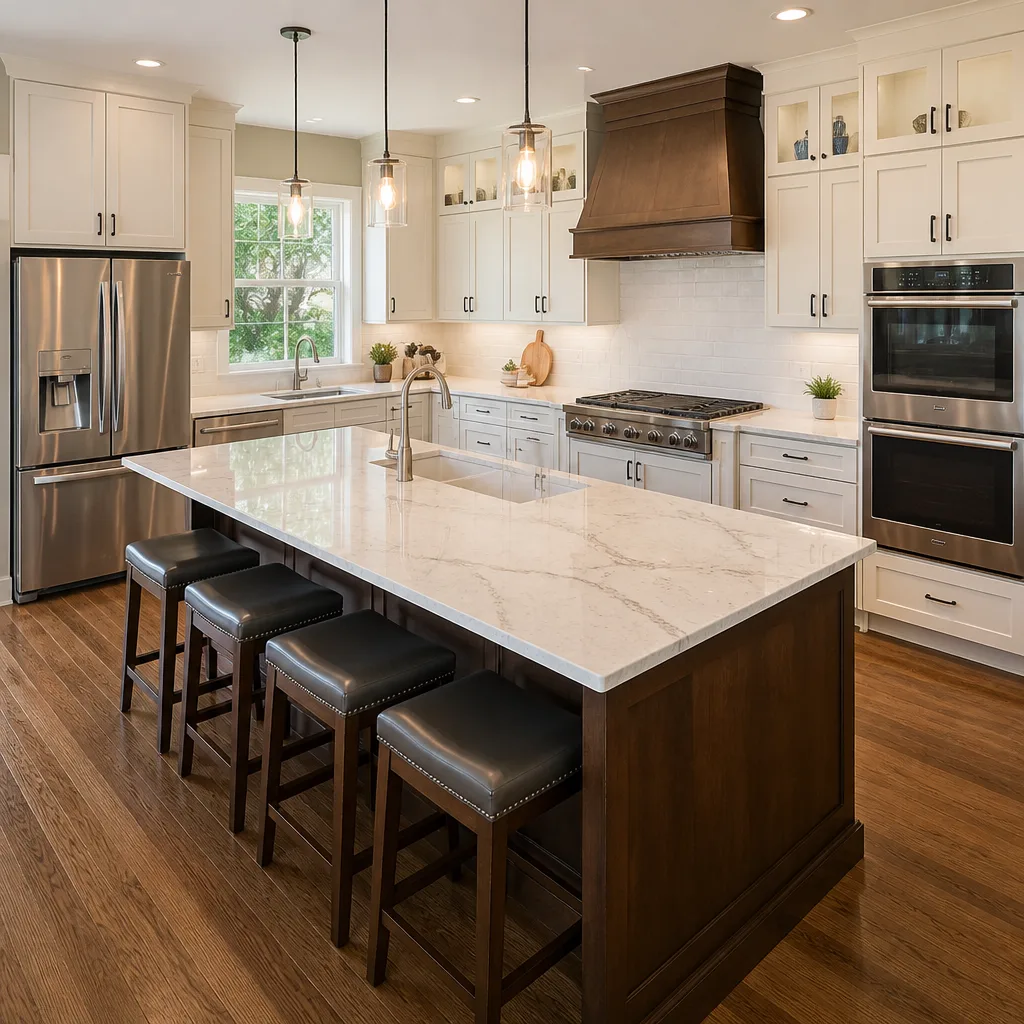 Kitchen remodeling
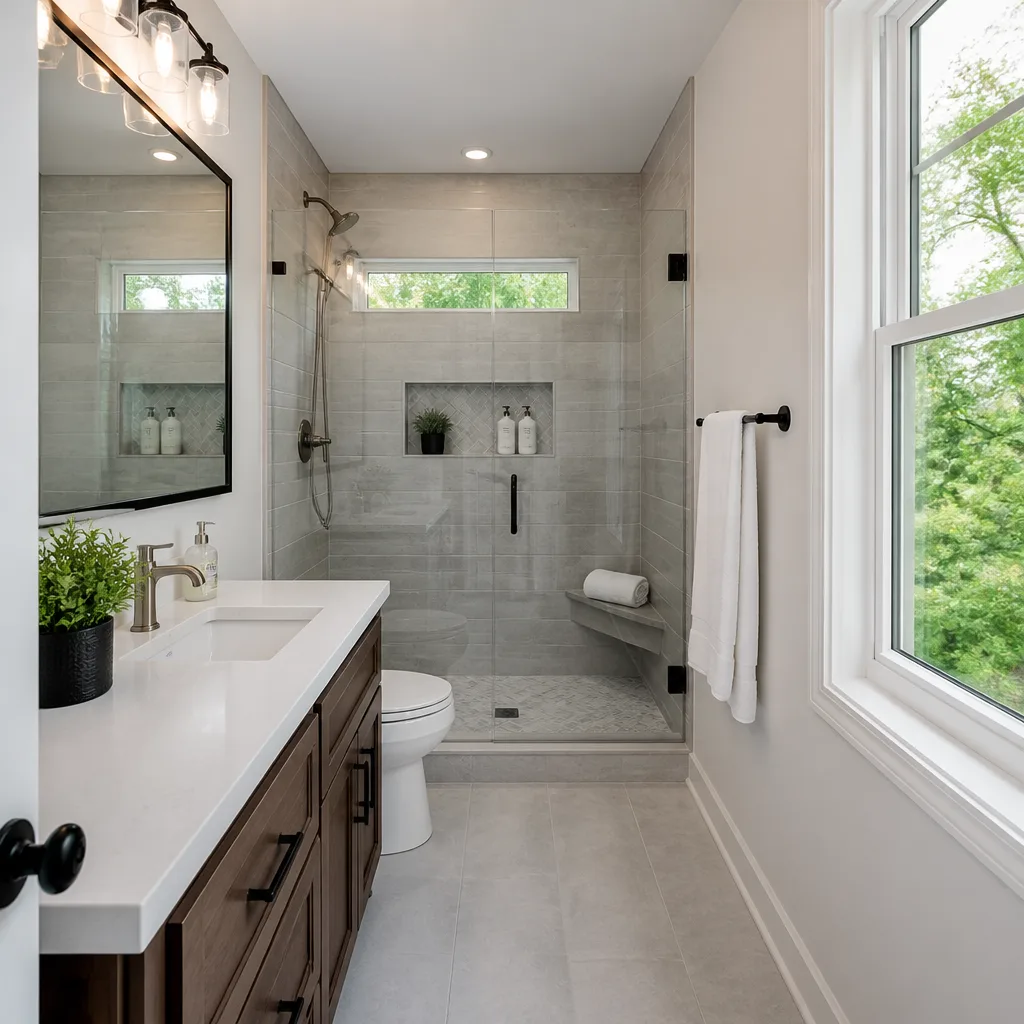 Bathroom remodeling
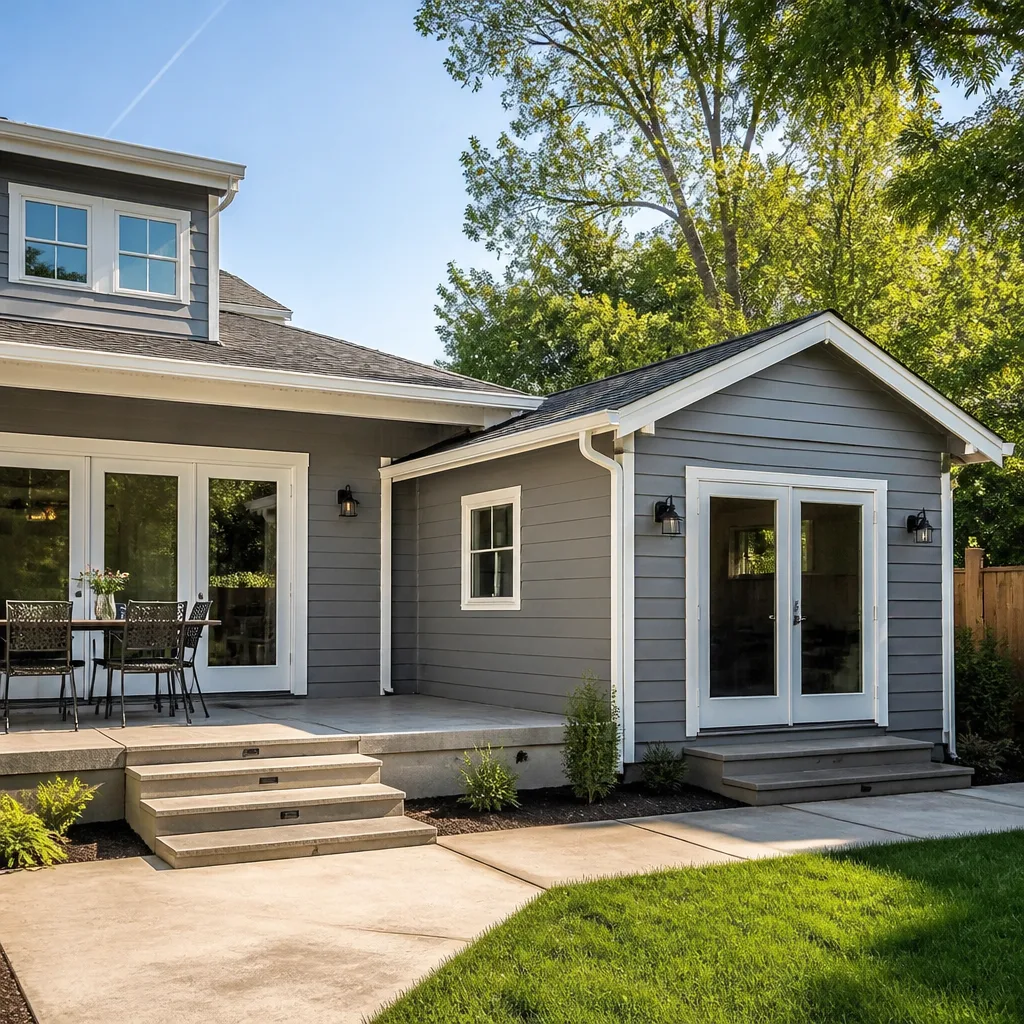 Home additions & ADU
 Roofing
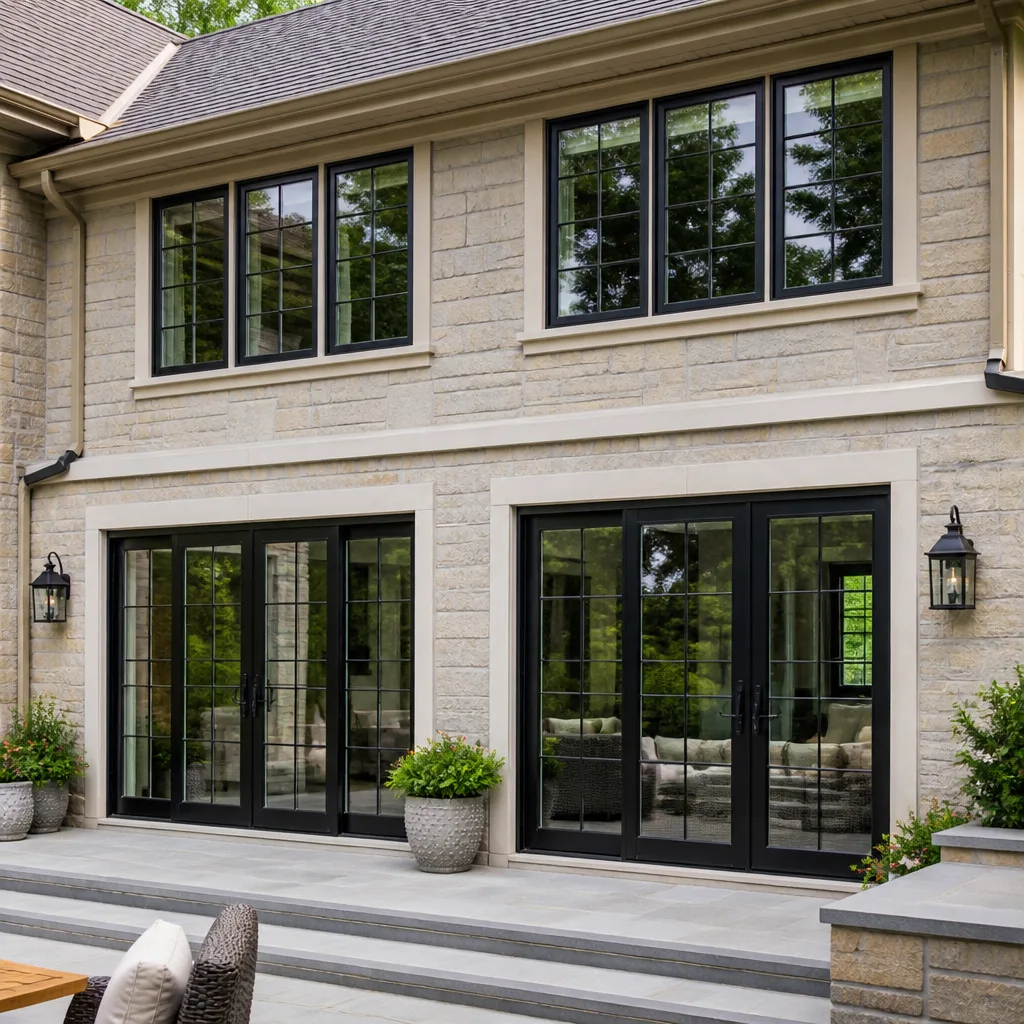 Windows & doors
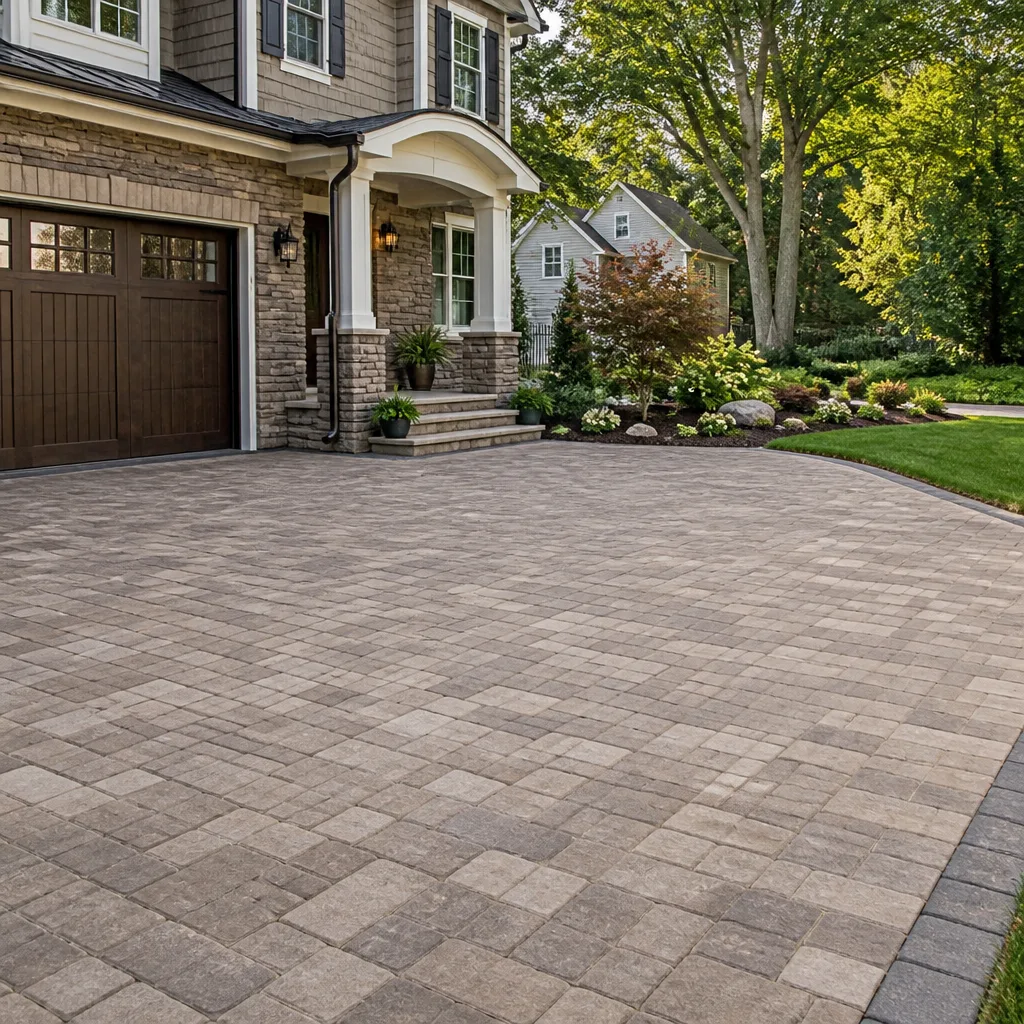 Driveway & pavers
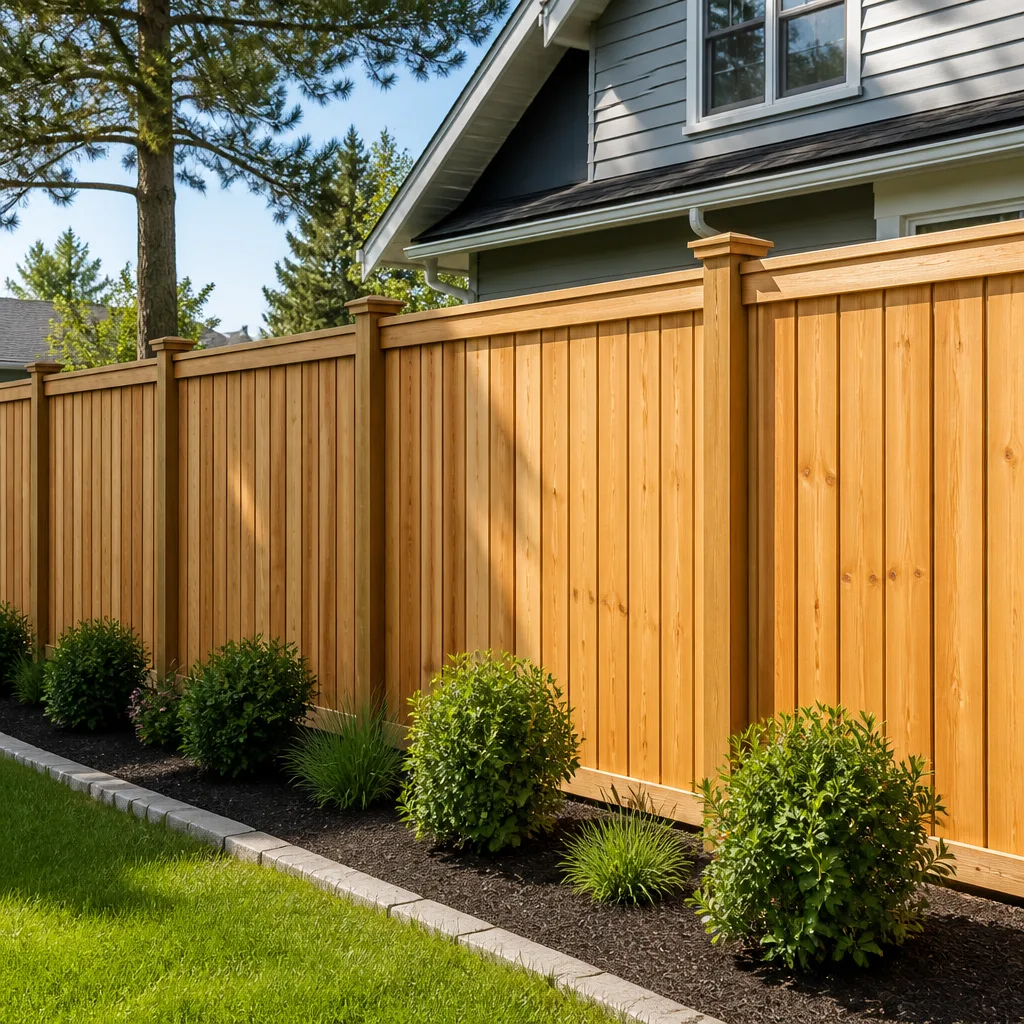 Fence
Free written scope consultation - allowances, timeline, and change-order rules on paper before a single trade is scheduled
How to Hire a Construction Contractor in Fontana: A Step-by-Step Guide
In California, anyone with a C-class specialty license can legally call themselves a contractor. That means the person you hire to manage a kitchen remodel, a roof replacement, and a bathroom gut-and-redo simultaneously might only be licensed to do one of those three things. Hiring a contractor in Fontana isn’t just about collecting three bids and picking the middle number. It’s about knowing which questions expose whether a contractor actually understands multi-trade coordination, and which answers reveal they’re a broker passing your job to whoever returns their call. This guide gives you a filtration system, not just a checklist. By the time you finish reading, you’ll know how to verify a license correctly, read a CSLB record with a trained eye, structure a scope-of-work document that protects your budget, and spot the red flags that are especially common in Fontana’s fast-moving construction market.
Quick Answer
To hire a construction contractor in Fontana, start by confirming the contractor holds a California General B (Building) license on the CSLB website, not just a specialty C license, especially if your project spans multiple trades. Then verify insurance, request at least three itemized bids that name specific material brands and labor by trade, check references from Fontana-area jobs completed within the last 18 months, and get a written scope-of-work document signed before any money changes hands. A legitimate general contractor should be able to walk you through a single contract that covers every phase, from the roof down to the pavers.
Styles & brands we work with
Table of Contents
- Step 1: Verify the License – and Understand the Difference Between B and C Licenses
- Step 2: Read the CSLB Record Like an Insider
- Step 3: The Five Questions That Expose a Broker Posing as a General Contractor
- Step 4: Anatomy of a Scope-of-Work Document That Protects You
- Step 5: Comparing Bids Without Falling for the Low-Ball Trap
- Step 6: Insurance, Bonds, and Workers’ Comp – What Actually Matters
- Step 7: Fontana-Specific Red Flags and Market Realities
- Step 8: What to Do Before You Sign Anything
Step 1: Verify the License – and Understand the Difference Between B and C Licenses
The single most important question you can ask a contractor in Fontana is not “How much will it cost?” It’s “What exactly does your license cover?” California’s Contractors State License Board (CSLB) issues different classes of licenses, and the difference between them determines whether the person you’re hiring is legally allowed to manage your entire project or just one slice of it.
The General B (Building) license is what you want for any project that crosses trade lines. A B-license holder is authorized to supervise projects involving two or more unrelated trades. If you’re doing a kitchen remodel that involves plumbing, electrical, cabinetry, countertops, and tile, that’s a minimum of five distinct trades. A contractor with only a C-54 (ceramic and mosaic tile) license or a C-36 (plumbing) license cannot legally manage that kitchen as a whole. They can do their one piece. They cannot pull the permits for, coordinate, or contract for the rest.
Here’s where it gets uncomfortable: many contractors in Fontana and across the Inland Empire hold a single C-class license but market themselves as full-service remodelers. They take your deposit, then subcontract the other trades to people they may or may not have worked with before. That’s not a general contractor. That’s a broker with a truck. And you, the homeowner, are the one left holding a project with no single point of accountability and no legal standing to demand that the person you paid manage the entire thing actually manages the entire thing.
When you call a contractor, ask for their CSLB license number first. Check it at cslb.ca.gov. Look at the “Classification” field. If it says “B – General Building Contractor,” you’re talking to someone legally structured to run a multi-trade project. If it says “C-15 – Flooring and Floor Covering” or “C-33 – Painting and Decorating,” and they’re promising to manage your roof replacement too, walk away. A general contractor should own the whole scope. Here at San Bernardino Contractors home, we operate as a full-service general contractor for exactly this reason: one license, one contract, one accountable party across every trade from roofing systems like GAF and CertainTeed down to hardscape materials like Belgard and Unilock pavers.
One more nuance worth understanding: a B license also allows the contractor to perform work in specialty trades directly if they are competent in them. That’s not a loophole. That’s the point. A B-license holder can pour a concrete patio with Quikrete or Sakrete mixes, install a roof, and hang drywall in the same week, on the same project, under the same contract. That single-contract, single-license structure is what keeps timelines predictable and finger-pointing impossible.
Step 2: Read the CSLB Record Like an Insider
Every licensed contractor in California has a public record on the CSLB website. Most homeowners glance at it. Most homeowners miss the details that matter. Here’s how to read it the way someone in the industry reads it.
First, look at the license status. You want it to say “Active” and not much else. “Active” means the license is current, the bond is in place, and the contractor is legally allowed to operate. But here’s the part people miss: “Active” with a history of “Suspended” entries or multiple “Reinstatements” is a signal, not a smoking gun, but a signal. A contractor whose license was suspended twice for failing to maintain workers’ compensation insurance is a contractor who lets their paperwork lapse. You don’t want your project in the middle of someone’s administrative gap.
Second, look at the “Workers’ Compensation” field. If it says “This license is exempt from having workers’ compensation insurance,” it means the contractor has no employees. That’s legal, but the moment they bring a helper or a sub onto your property and that person gets hurt, guess whose homeowner’s policy can be on the hook? You want a contractor who carries workers’ comp. Full stop.
Third, check the “Bond” history. Contractors in California must maintain a contractor’s bond, currently $25,000. If the record shows a bond cancellation followed by a reinstatement, that means the bond was cancelled, usually for non-payment of premium or because a claim was paid out. That’s a red flag worth asking about directly.
Fourth, look at the complaint disclosure. The CSLB publishes legal actions and arbitration awards against contractors. A single arbitration award from ten years ago over a disputed patio job might not disqualify anyone. A pattern, three arbitration awards in six years, two license suspensions, and a workers’ comp cancellation, that’s a contractor who runs his business the way some people park: over the line, every time. Avoid.
Finally, note the business address. If a contractor claims to be a local Fontana company but their CSLB address is an empty suite in Ontario or a UPS box in Rancho Cucamonga, ask yourself who you’re really hiring. Proximity isn’t just about convenience. A contractor with crews and material relationships in the Inland Empire is a contractor who can actually show up. For a deeper look at what a general contractor’s full scope should include before you even start vetting, see our guide to what a General Contractor in Fontana should handle.
Step 3: The Five Questions That Expose a Broker Posing as a General Contractor
You’ve verified the license. You’ve read the CSLB record. Now comes the part most guides skip: the conversation. The language a contractor uses when you ask these five questions will tell you more about how your project will go than any Angie’s List review ever could.
Question 1: “Who will be on my job site day to day, and who do I call when something goes wrong?”
A general contractor that actually manages projects has a lead carpenter, a site supervisor, or a project manager assigned to your job. They can name that person. They can tell you when that person will be on site and how to reach them. A broker says “we have crews,” “we have guys,” or “my guys handle that.” Vague plural pronouns are not a staffing plan.
Question 2: “Do you have in-house crews or do you subcontract everything?”
Most general contractors use subcontractors. This is normal, and it’s not a problem if it’s managed well. What you want to hear is specificity: “We have an in-house framing crew, and we use the same electrical and plumbing subs on every job in Fontana.” What you don’t want to hear is “We have a network of trusted partners.” Networks can mean a group chat on a phone. Ask for names. Ask how long they’ve worked with their electrical sub. Ask if the same people who did their last Fontana kitchen will do yours.
Question 3: “What happens when my tile sub says the floor isn’t level and he won’t start?”
This is the test. This is the exact scenario where brokered projects fall apart: one sub blames another, and the homeowner is left making phone calls. A real general contractor answers with a process: “We catch that during our pre-tile inspection. If it happens, I get the concrete guy back out, we fix it, and your tile doesn’t slip. That’s my job.” A broker answers with sympathy but no system. You’re not looking for someone who says it never happens. You’re looking for someone who says what they do when it does.
Question 4: “Can you give me a line-item budget that separates materials, labor, and permits?”
If the answer is “we don’t really break it out like that,” you are not dealing with a contractor who bids from plans and specs. You’re dealing with someone who guesses. A competent general contractor prices from line items: cabinets at X, countertops at Y, plumbing fixtures at Z, labor at A, permits at B. That’s how they know whether they’re profitable. If they can’t produce that document for you, they don’t have it for themselves either.
Question 5: “Which brands do you work with for roofing, windows, and countertops? I want to understand my options.”
This question separates the material-savvy contractor from the order-taker. A contractor who manages whole-home renovations should be able to talk specifically and immediately. When we meet with Fontana homeowners, we talk about GAF, CertainTeed, and Owens Corning for roofing; KraftMaid and Wellborn for cabinetry; Cambria, Silestone, and Caesarstone for countertops; Kohler and Grohe for plumbing fixtures; James Hardie for siding; and Belgard, Unilock, or Cambridge Pavers for hardscaping. You pick the brand, we handle the build. If a contractor answers with “we’ll use whatever you want” and nothing else, they’re not managing materials, they’re ordering whatever the homeowner finds. That’s fine for a handyman. It’s not what a full-scope Home Remodeling in Fontana general contractor should be doing.
Step 4: Anatomy of a Scope-of-Work Document That Protects You
The scope of work is the most underrated document in residential construction. Most homeowners treat it like boilerplate, something the contractor’s office printed and they skimmed before signing. The scope of work is actually the only thing standing between you and a six-week argument about whether “replace vanity” included replacing the faucet or the shutoff valves behind the wall.
A legitimate scope-of-work document answers one question: what exactly is being done, in what order, with what materials, for what price? If the answer isn’t itemized, it isn’t an answer. Here’s what a real scope of work should include, broken down by category.
- Project overview and planned phasing. A paragraph and a schedule: demolition, rough plumbing and electrical, drywall and paint, flooring, cabinetry, countertops, fixtures, final inspection. Each phase should have an estimated duration and an expected start window relative to the previous phase.
- Demolition details. What’s being removed? Where does the debris go? Who pays for disposal? Is any existing material being salvaged or reused?
- Rough-in specifications. Exactly what plumbing and electrical work is happening. New circuits? Where? AFCI protection on bedroom outlets? Moving a gas line for a new range? Every trade needs its own line.
- Materials itemized by brand and product. Not “quartz countertops.” Rather: “Silestone Ethereal Glow, 3cm, eased edge, standard backsplash profile.” Not “new roof.” Rather: “GAF Timberline HDZ, Architectural, limited lifetime warranty, ice and water shield in valleys and at eaves.” If the brand is missing, it hasn’t been priced. If it hasn’t been priced, it hasn’t been decided. If it hasn’t been decided, it will be decided later, by someone else, often at your expense.
- Permit scope. Which permits are being pulled, who’s pulling them, and who’s responsible for scheduling and passing inspections. In Fontana, the Building & Safety Division requires permits for most structural, electrical, plumbing, and mechanical work. A scope of work that doesn’t name the permits is a scope of work that’s planning to skip them. For Home Renovation in Fontana projects, skipping permits isn’t a shortcut. It’s a liability that follows the property through resale.
- Change order procedure. What happens when you decide halfway through that you want a different tile? A scope of work should spell out that all changes are written, priced, and signed before the work changes. Verbal agreements are not agreements.
- Exclusions. What’s NOT included matters as much as what is. Painting? Landscaping? Window treatments? If it’s excluded, say so in writing. Surprises only go one direction in construction: up.
The scope document should also include a payment schedule tied to completion milestones, not to calendar dates. Never pay for work that hasn’t been done. Never agree to a schedule that front-loads more than 10% or $1,000, whichever is less, as a deposit. California law sets that limit for good reason.
Step 5: Comparing Bids Without Falling for the Low-Ball Trap
Every homeowner wants a fair price. The problem is that most homeowners can’t tell the difference between a fair price and a low one. In construction, those are not the same number, and the difference between them is always paid for later, in change orders, in delays, in materials you didn’t choose.
Here’s how to compare three bids in Fontana without losing your mind or your money.
First, compare structure, not just totals.
A $48,000 kitchen bid and a $62,000 kitchen bid are only comparable if they describe the same kitchen. The $48,000 bid might have builder-grade cabinets, a stock vanity, no under-cabinet lighting, and drywall patch that doesn’t include painting. The $62,000 bid might include KraftMaid cabinetry with soft-close hardware, Cambria countertops, a full tile backsplash, and paint to finish. The lower number isn’t cheaper if it doesn’t build the same room. You have to compare line items.
Then check the allowances.
Many contractors write “customer allowance” for fixtures, tile, and flooring. That means the bid includes a placeholder, often unrealistically low, for materials you haven’t picked yet. If you choose something that costs more than the allowance, you pay the difference. That’s normal. What’s not normal is an allowance so low it can’t actually buy anything you’d want. A plumbing fixture allowance of $800 for an entire bathroom means you’re buying the cheapest faucets in the showroom, or you’re paying extra later. Ask what the allowance actually covers. If the contractor can name brands at that price point, that’s a good sign. If they can’t, the allowance is a placeholder designed to keep the bid number attractive.
Look for what’s missing.
A complete bid includes permitting fees, dumpster rental, site protection, and a line for project management. If those lines are missing, the bid isn’t lower, it’s incomplete. And incomplete bids become change orders. Change orders are how a $60,000 project becomes an $80,000 project four weeks in.
Consider material access as a cost factor.
A contractor with established relationships across 50+ brands has purchasing channels that a solo operator simply doesn’t. That’s not a sales pitch, it’s logistics. We can spec Kohler or Grohe fixtures, GAF or CertainTeed roofing, and Unilock or Cambridge Pavers hardscape, and we know what those materials cost because we work with them constantly. A contractor who has to source each material for the first time is paying retail and learning on your dime. You pick the brand, we handle the build, and that’s not just a tagline, it’s how pricing works in this industry, as explained in our Choosing the Right Construction Brand: A Buyer’s Guide for Fontana.
Step 6: Insurance, Bonds, and Workers’ Comp – What Actually Matters
Every contractor says they’re insured. Most are not insured enough. Here’s what you actually need to verify before work starts in Fontana, and how to ask for it without feeling awkward.
General liability insurance.
This protects your property if the contractor’s work damages it. A roofing tear-off that goes wrong and floods your living room is a general liability claim. You want to see a certificate of insurance (a COI, in industry terms) with your name and property address listed as a certificate holder. The coverage should be at least $1 million per occurrence. Ask the contractor to have their insurance agent send the certificate directly to you. Don’t accept a PDF from the contractor’s phone. It’s easy to fake a PDF and slightly harder to fake an email from an insurance agency.
Workers’ compensation.
If a worker is injured on your property and the contractor doesn’t have workers’ comp, the injured worker can come after your homeowner’s insurance. This is not rare. It happens every year in California. You want a contractor with active workers’ compensation coverage for all employees. Subcontractors should carry their own workers’ comp too. A legitimate general contractor verifies this before a sub sets foot on your job. That’s part of what project management actually means.
The contractor’s bond.
The $25,000 CSLB bond isn’t insurance. It’s a form of consumer protection that pays if the contractor violates the law or fails to complete work. It’s not a substitute for liability insurance, and it won’t cover poor workmanship. Think of the bond as the minimum financial responsibility standard, not the safety net you’re counting on.
Step 7: Fontana-Specific Red Flags and Market Realities
Fontana’s construction market has its own character, shaped by the city’s geography, its building codes, and the particular habits of the contractors who work here. Knowing what’s normal for Fontana, and what’s a warning sign, will save you more than any generic hiring guide.
Red flag: “Riverside pricing” for a Fontana project.
Fontana is part of San Bernardino County, not Riverside County. The permit fees, plan check processes, and inspection schedules are different. A contractor who quotes you “Riverside rates” or compares your job to “what we just did in Riverside” either doesn’t know where your house is, or doesn’t know the difference. Neither is good. Fontana’s Building & Safety Division operates out of City Hall and has its own fee schedule and its own inspectors. Your contractor should be able to name the city’s building department without pausing.
Red flag: Can’t name the local permit requirements.
Ask any prospective contractor, “What permits does a kitchen remodel in Fontana require, and what’s the plan check process like right now?” A contractor who has actually built in Fontana can answer: building permit for structural changes, electrical permit for any new circuits or relocated outlets, plumbing permit for fixture relocations, and mechanical permit if you’re moving or adding HVAC. If they say “we don’t worry about permits for small jobs,” that’s a decision they’ve made to save themselves time at your legal expense. Unpermitted work doesn’t disappear. It sits in the walls until you sell the house.
Market reality: Fontana’s housing stock varies wildly by neighborhood.
From the mid-century homes in the older central neighborhoods to the newer tract developments north of the 210, the construction methods and existing conditions differ significantly. A contractor who only builds in one type of home may not understand the slab-on-grade realities of an older Fontana house versus the post-tension foundations common in newer subdivisions. Ask your contractor where their recent projects are. Specific neighborhood names, Southridge, West End, Hunter’s Ridge, should roll off the tongue. Vague “all over the Inland Empire” answers suggest they’ve been all over and specialized nowhere.
Market reality: Summer heat affects scheduling decisions.
Fontana summers regularly exceed 100 degrees. That affects concrete pours, roofing tear-offs, and any exterior work. A contractor who doesn’t mention the heat when scheduling your exterior paint or paver installation hasn’t thought through the job. Concrete projects with Quikrete or Sakrete products and paver installations with Cambridge Pavers or Oldcastle materials need to be sequenced around temperature for proper curing and compaction. That’s not a detail. That’s the difference between a patio that lasts 30 years and one that cracks in three, a topic we cover in depth in our Seasonal Construction Care for Fontana: Year-Round Homeowner’s Guide.
Step 8: What to Do Before You Sign Anything
You’ve verified the license. You’ve checked the insurance. You’ve grilled the contractor on their project management systems and their material partners. You have three bids and a scope of work that actually names brands. Now, before you sign, do these five things.
- Read the entire contract. Not the summary. Not the first page. The entire document, including the fine print about dispute resolution, arbitration clauses, and lien rights. If there’s a clause you don’t understand, ask for an explanation in writing. If the explanation doesn’t make sense, that’s information, not legal advice.
- Confirm the payment schedule is tied to milestones. 10% deposit, 25% at rough-in, 25% at drywall, 25% at cabinet and fixture installation, final 15% after final inspection and punch list completion. Something like that structure. Never more than 10% upfront. Never a schedule tied to calendar dates instead of completion.
- Get the warranty in writing. “We have a workmanship warranty” is not a warranty. Get the specific terms: what’s covered, for how long, and what the process is for making a claim. Material warranties from manufacturers like GAF, CertainTeed, Kohler, and Cambria are separate from workmanship warranties. Know which is which and who to call for each.
- Verify the subcontractors are identified. If the contractor is using electrical, plumbing, or HVAC subs, their names and license numbers should be in the contract. A general contractor who won’t tell you who’s doing the electrical work before you sign is hiding something.
- Do one final CSLB check. Licenses lapse. Bonds get cancelled. Check the license status the morning of your signing meeting, not just the day you first called. It takes two minutes.
Common Mistakes to Avoid
- Hiring a specialty contractor for a multi-trade project. A C-27 landscaping contractor cannot legally manage your paver patio and your pergola and your outdoor lighting as one project. They can do the pavers. That’s it. If your project touches multiple trades, hire a general B contractor.
- Skipping the permit question. In Fontana, unpermitted work can trigger stop-work orders, fines, and problems when you sell. Ask about permits in the first conversation, not after demo starts.
- Accepting a bid that’s 30% lower than the other two. The low bid is almost never the same project. It’s a smaller project with a bigger change order pipeline. Compare line items, not totals.
- Paying a large deposit upfront. California law caps deposits at 10% or $1,000, whichever is less. A contractor who asks for 30% or 50% down is financing their business on your money. That’s what banks are for.
- Not reading the CSLB record beyond the license status. “Active” is the floor, not the ceiling. Suspensions, workers’ comp cancellations, and arbitration awards are all public information. Read them.
- Letting the contractor pick all the materials without you seeing them. “We’ll take care of it” is how you end up with builder-grade faucets in a kitchen you thought was getting premium fixtures. You pick the brand. You approve the product. Then the contractor handles the build.
- Signing a contract with vague language about “finish work.” “Paint as needed” and “patch and texture” are not scopes of work. They’re invitations to argue later. Every line in the contract should be specific enough that a stranger could execute it.
See the difference
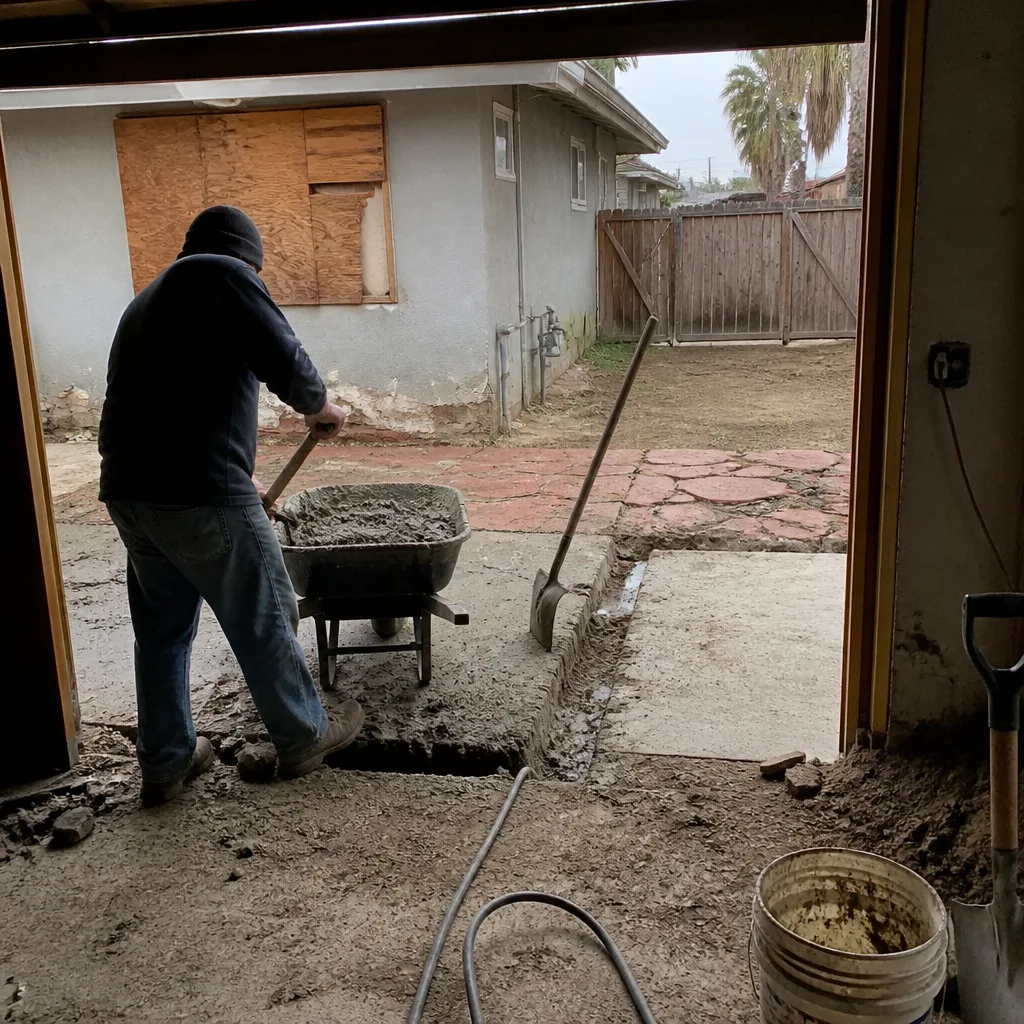 Before
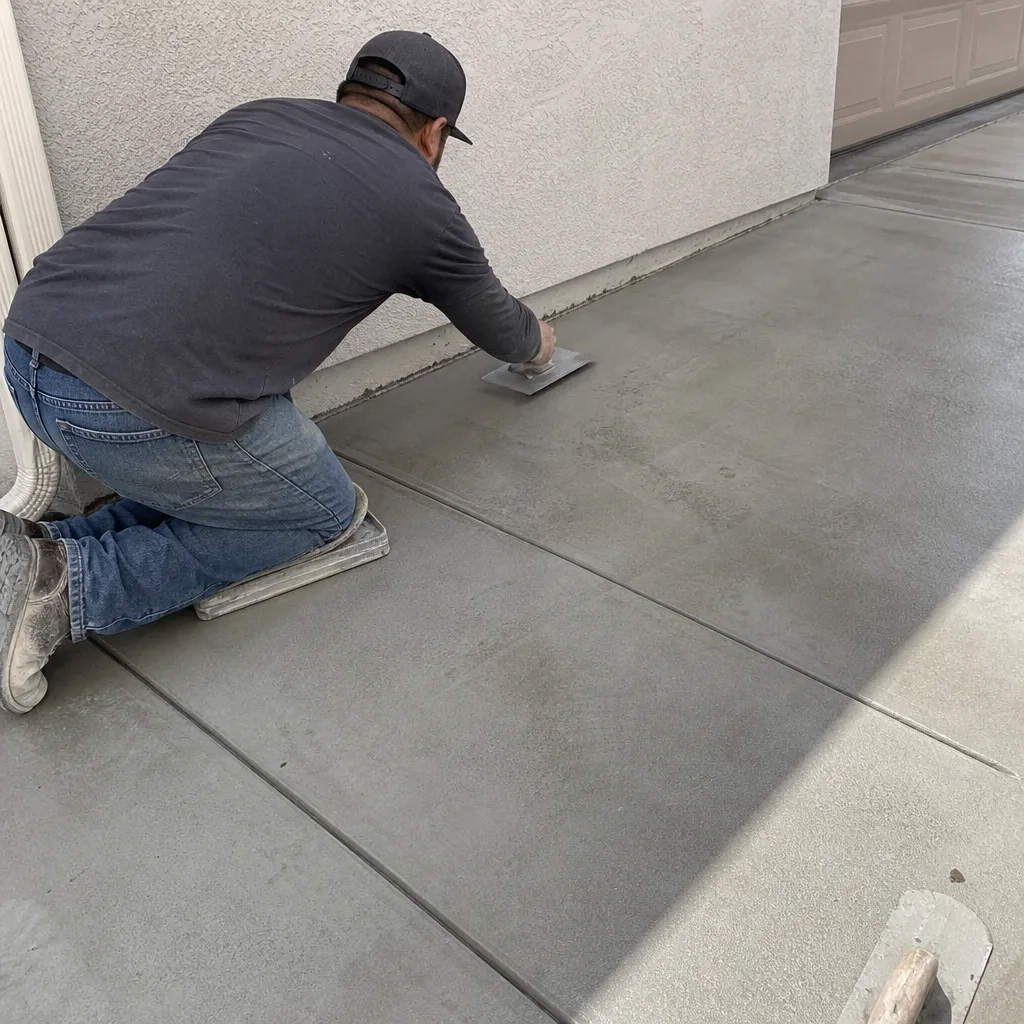 After
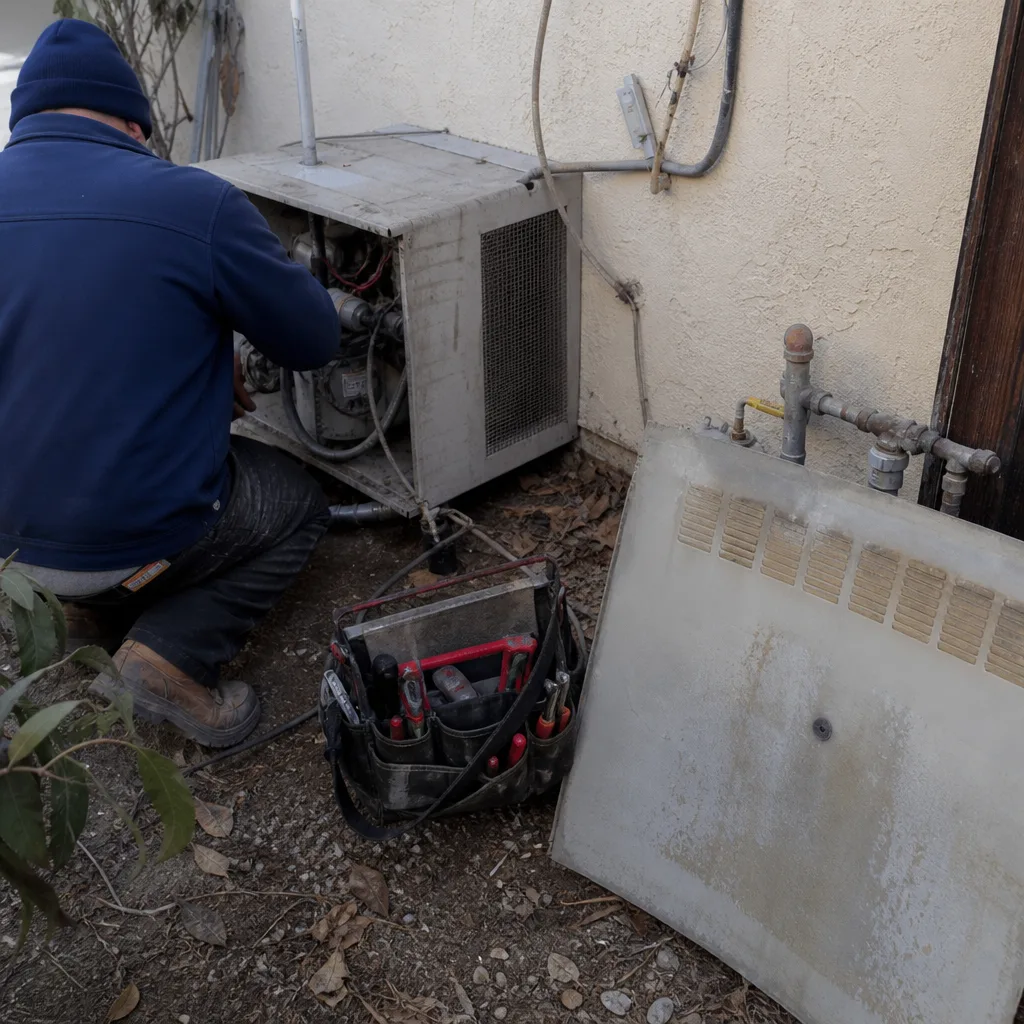 Before
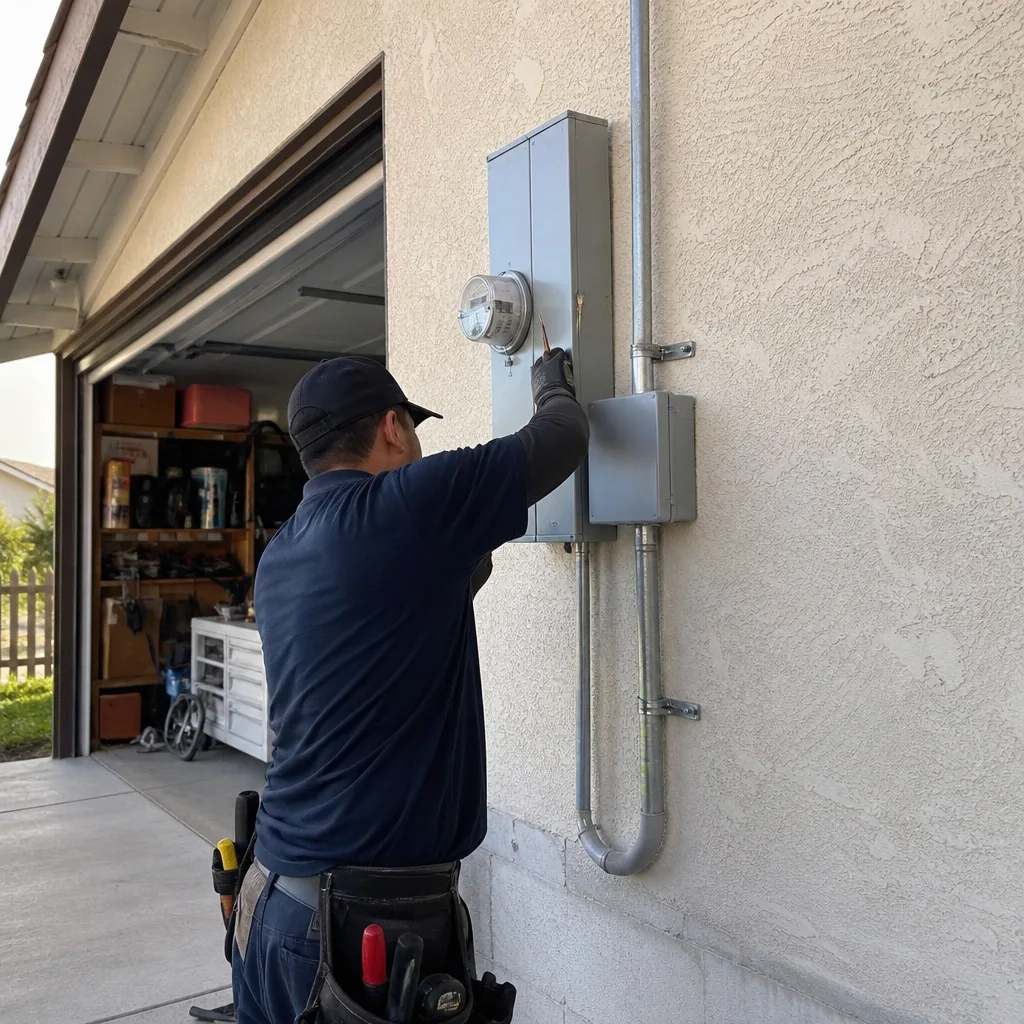 After
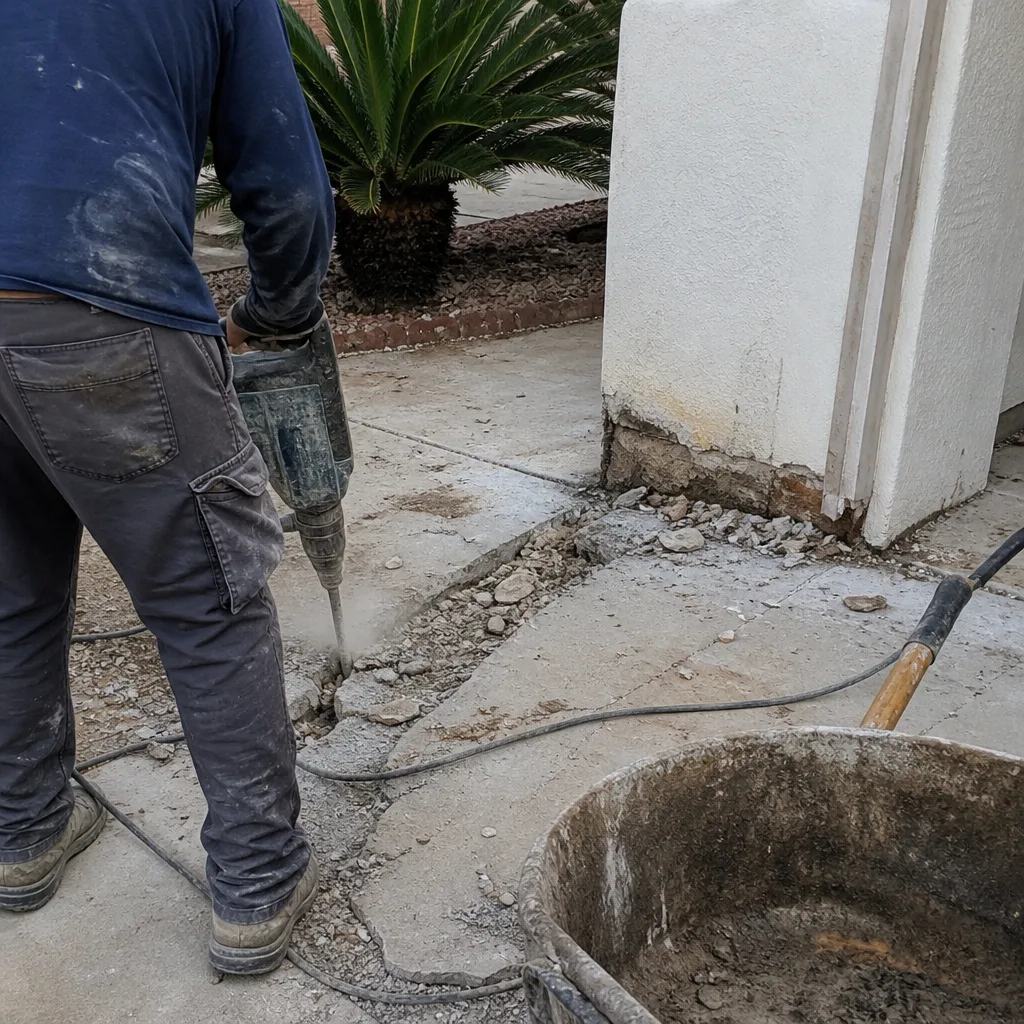 Before
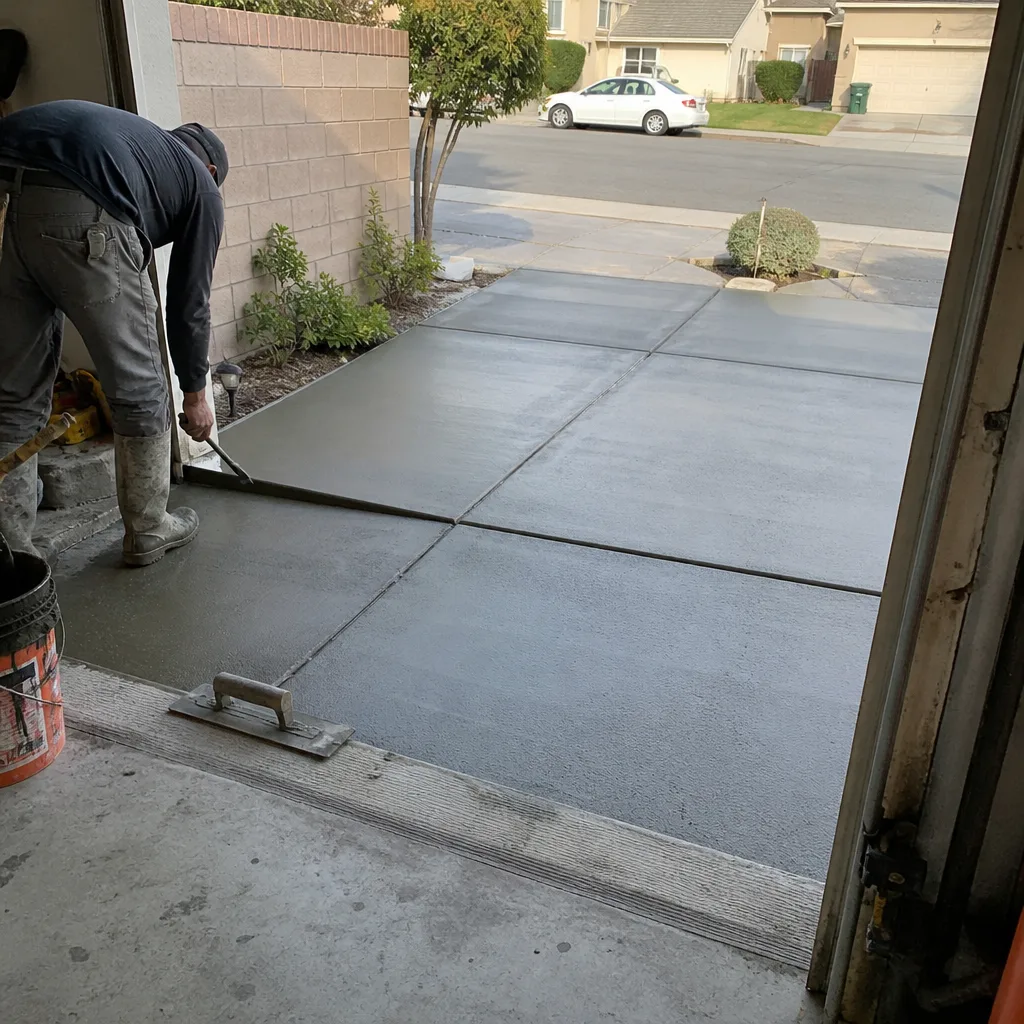 After
When to Call a Professional
If your project involves structural changes, a new roof, window replacements, or work that requires a permit, you’re past the point where a handyman or a solo specialist makes sense. The same is true when you’re crossing three or more trades in one project. A kitchen remodel that touches plumbing, electrical, drywall, tile, cabinetry, and countertops is a multi-trade job that needs a general contractor holding the whole scope. When you’re adding an ADU, the stakes get higher: grading, foundation, framing, electrical service, and a second inspection path all on one timeline. That’s where single-point accountability stops being a preference and becomes the only workable structure. San Bernardino Contractors offers free estimates in Fontana – call (855) 473-5620.
Frequently Asked Questions
General contractors in Fontana typically charge 15% to 25% of the total project cost for their project management and overhead, on top of materials, labor, and permits. A whole-home remodel might range from $80,000 to $250,000 depending on scope and finish level, while a single bathroom remodel often falls between $20,000 and $45,000 with mid-grade fixtures. The exact number depends on the brand and finish level you choose. Call (855) 473-5620 for an exact quote, estimates are free.
Go to the Contractors State License Board website at cslb.ca.gov and enter the contractor’s license number or business name. Confirm the status reads “Active” and that the classification is “B – General Building Contractor” if your project spans multiple trades. Also check the workers’ compensation field and any complaint or arbitration history listed on the record.
Yes. Fontana’s Building & Safety Division requires building permits for structural changes, electrical permits for new or modified circuits, plumbing permits for fixture relocations, and mechanical permits for HVAC changes. Some minor finish work, like painting or replacing a faucet without moving pipes, is exempt. A qualified contractor should identify every required permit in the scope of work before you sign.
A general contractor with a B license manages the entire project, holds the contract, schedules all trades, and is accountable for the final result. A subcontractor is hired by the general contractor to perform one specific trade, like electrical work or tile installation. If you hire subcontractors directly, you become the general contractor, legally and practically. You’re responsible for sequencing, permits, and resolving disputes between trades.
A bathroom remodel typically runs 3 to 6 weeks, a kitchen remodel 6 to 12 weeks depending on whether walls are moving, and a whole-home renovation or ADU addition can span 4 to 8 months. Fontana’s building department plan check and inspection scheduling affect the timeline. A contractor with regular projects in Fontana knows how to schedule around inspection backlogs. A contractor new to the city learns on your project.
You should expect a full-service general contractor to have relationships with recognized brands across every category: GAF, CertainTeed, and Owens Corning for roofing; KraftMaid and Wellborn for cabinetry; Cambria, Silestone, and Caesarstone for countertops; Kohler, Grohe, and Toto for plumbing fixtures; James Hardie for siding; and Belgard, Unilock, and Cambridge Pavers for hardscaping. If a contractor can’t name brands in the categories you’re remodeling, they may not have material channel relationships yet. That means you’ll pay retail and wait longer.
The Bottom Line
Hiring a construction contractor in Fontana comes down to one core distinction: you’re either hiring someone who manages the entire project, or you’re hiring someone who brokers pieces of it to other people. The contractor with a General B license, verifiable insurance, an itemized scope of work with named brands, and the ability to answer specific questions about permits and phasing is the one who manages. The contractor with a C license, vague staffing language, allowance-heavy bids, and no permit plan is the one you’ll end up managing. The five questions in this guide are your filtration system. Use them early, use them in writing, and don’t hire anyone who can’t answer them clearly. From the roof down to the pavers, one contractor holding every phase is not just cleaner, it’s the only structure that keeps the person you hired legally and practically accountable for the result.
Written by the team at San Bernardino Contractors, serving Fontana since 2015.