
Last updated October 30, 2026
 Kitchen remodeling
 Bathroom remodeling
 Home additions & ADU
 Roofing
 Windows & doors
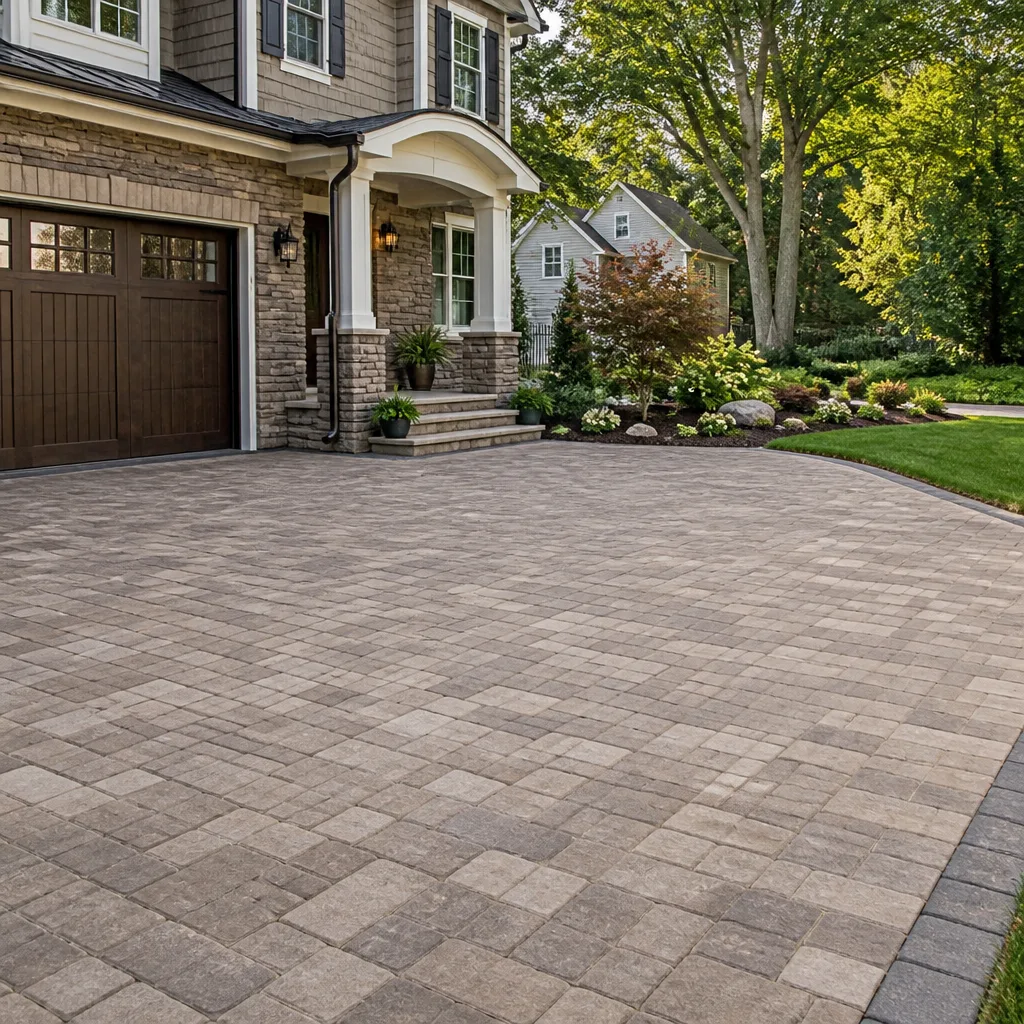 Driveway & pavers
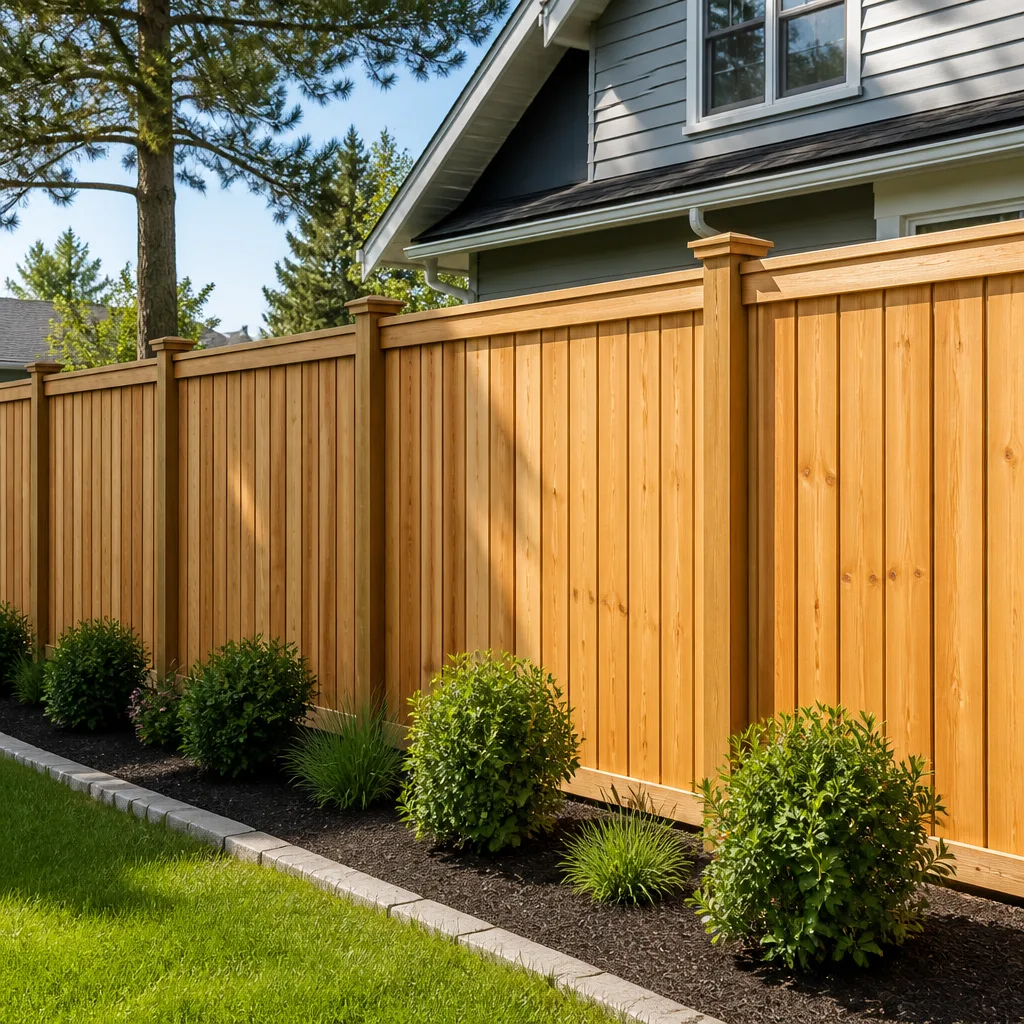 Fence
Free written scope consultation - allowances, timeline, and change-order rules on paper before a single trade is scheduled
Construction Permits, Codes & Inspections in CA: What You Need to Know
Unpermitted work is the single most common reason a California home sale falls apart during escrow, and in the Inland Empire, “I didn’t know I needed a permit for that” is the contractor excuse that leaves homeowners holding the liability. What we see in Fontana week after week: homeowners who paid cash for a patio cover or a water heater swap, got a handshake and a receipt, and now can’t get their insurance renewed or their refi approved. This guide decodes the actual stack of rules that governs residential construction in California so you know exactly when a permit is required, which code applies, and what happens at inspection.
Styles & brands we work with
Quick Answer
California construction permits are governed by a three-layer system: the California Building Code (CBC) as the baseline, Title 24 energy requirements layered on top, and local amendments added by each city or county. In Fontana, the Building & Safety Division enforces the CBC with local overlays specific to wind, soil, and hillside conditions. Most residential projects, including window replacements that change opening size, water heater swaps, and any structural modification, trigger a permit, and unpermitted work creates sale, insurance, and liability exposure that typically costs more to fix than the permit would have cost upfront.
Table of Contents
- The Three-Layer Permit System: State Code, Title 24, and Local Amendments
- Permit Thresholds Most Homeowners Don’t Know About
- How the Fontana Building & Safety Division Inspection Sequence Works
- ADU Permit Pathways Under AB 68 and SB 9 in San Bernardino County
- What Happens to Your Homeowner’s Insurance When Unpermitted Work Is Discovered
- What Permits Actually Cost in Fontana and San Bernardino County
- Why Single-Contractor Accountability Changes the Permit Math
- Common Mistakes to Avoid
- When to Call a Professional
- Frequently Asked Questions
- The Bottom Line
The Three-Layer Permit System: State Code, Title 24, and Local Amendments
California’s building code isn’t a single document you can flip open and get one answer from. It’s a stack. The same kitchen remodel can trigger different requirements depending on whether your property sits in incorporated Fontana or in an unincorporated San Bernardino County pocket two blocks east. Understanding which layer governs your project is the difference between a smooth inspection and a stop-work order.
Layer One: The California Building Code (CBC)
The CBC is the baseline. It’s California’s adaptation of the International Building Code, published every three years by the California Building Standards Commission. The current cycle is the 2022 edition, effective January 1, 2023, with the 2025 edition phasing in. The CBC sets minimum standards for structural design, fire safety, plumbing, electrical, and mechanical systems. It applies to every jurisdiction in the state, from Crescent City to El Centro. When we plan a kitchen remodel in Fontana, the CBC governs framing spans, outlet spacing, ventilation requirements, and the structural load path from the roof to the foundation. No city can weaken the CBC. They can only add to it.
Layer Two: Title 24 Energy Compliance
Title 24 is a separate body of regulations called the California Energy Code, and it’s where most homeowners get caught. Title 24 sets energy efficiency standards for new construction, additions, and substantial remodels. The key trigger: if you’re replacing windows, adding square footage, or doing a remodel that affects more than a certain percentage of the building envelope, you’ll need a Title 24 energy analysis. In Fontana’s hot summers, that analysis drives insulation requirements, window glazing specifications, and HVAC sizing. A prescriptive Title 24 package is straightforward; a computer-modeled performance package is more flexible but more complicated. Either way, do not build a room addition in San Bernardino County without one. The inspector won’t sign off the final until the Title 24 documentation is uploaded to the state’s registry.
Layer Three: Local Amendments
Every city and county in California can amend the CBC with local ordinances. Fontana has specific amendments for wind loading due to Santa Ana wind exposure, for hillside grading, and for fire-resistant construction in the city’s wildland-urban interface zones. Unincorporated San Bernardino County has its own amendment set, often stricter on septic setbacks, well clearances, and rural road access. This is why the same project can require different inspections two blocks apart. Our team has managed projects in both Fontana city and San Bernardino County unincorporated zones, and the permit path is never identical. Check the jurisdiction first. The permit counter will tell you, but it’s better to know before you buy materials.
For a full walkthrough of how this layering plays out on an actual remodel, see our Home Remodeling in Fontana guide.
Permit Thresholds Most Homeowners Don’t Know About
Most homeowners think permits are for room additions, new roofs, and major electrical work. They’re right, but they’re dramatically underestimating the list. The California Residential Code, which is part of the CBC, requires permits for a long roster of projects that homeowners routinely do without one. Here’s the list that surprises people at the counter.
Work That Requires a Permit (Even If It Feels Small)
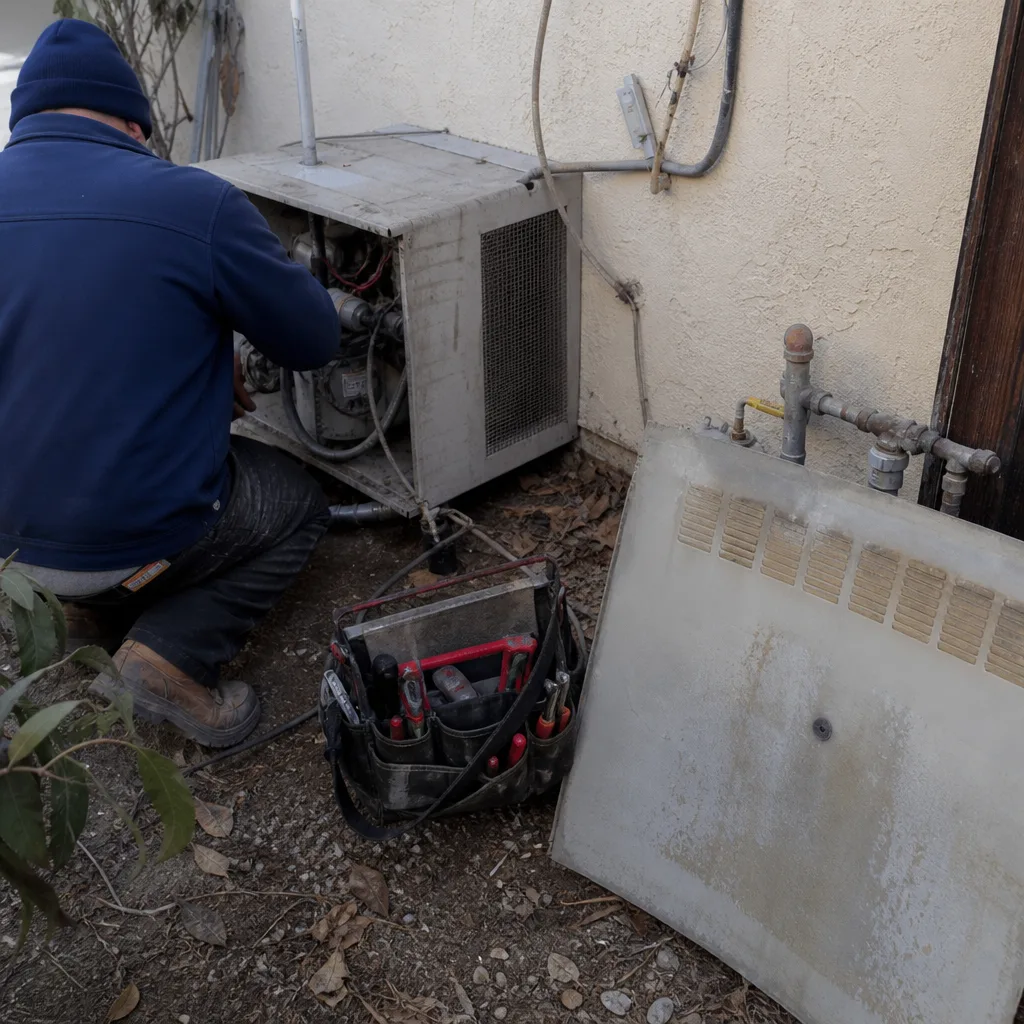
- Water heater replacement. Swapping a water heater is a plumbing and gas permit job in nearly every California jurisdiction, including Fontana. The physical swap takes an hour. The permit and inspection add a day.
- Window replacement that changes opening size. If the new window fits in the existing rough opening, you may be fine without a permit. If you’re enlarging, adding, or moving an opening, you need structural plans and a permit. This is one of the most common unpermitted projects we see in Fontana’s older housing stock, where owners want more natural light and cut new holes without asking.
- Patio covers over 200 square feet. Anything under 200 square feet and not attached to the house may be exempt. Cross that line and you need plans, wind calculations, and a permit. The Santa Ana wind load in Fontana makes this a real structural issue, not paperwork.
- Retaining walls over 3 feet tall. A 36-inch retaining wall triggers a permit and a soils engineer’s input in most San Bernardino County jurisdictions. Under 3 feet, you can usually build without one.
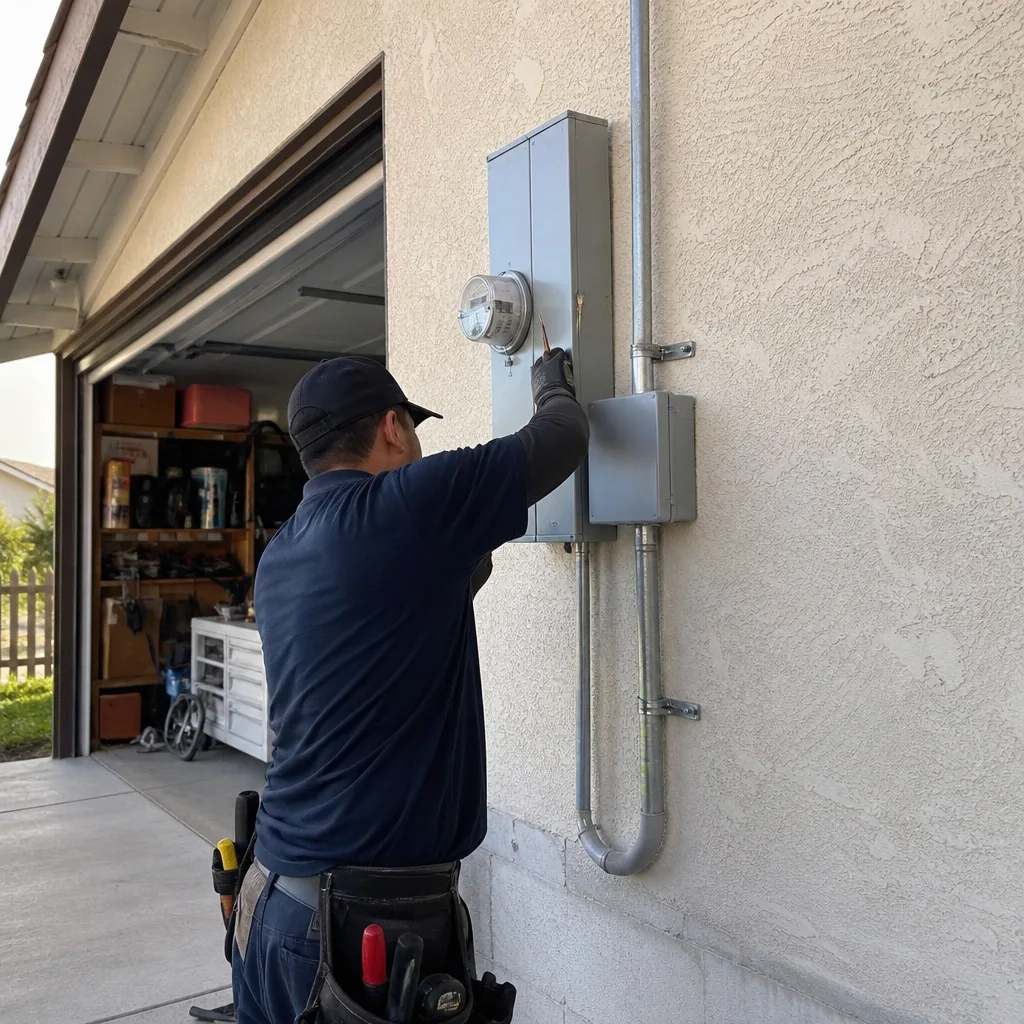
- Rewiring more than one circuit. Replacing a light fixture is fine. Adding circuits, moving outlets, upgrading a panel, or running new wire is an electrical permit.
- Replacing a water line from the meter to the house. This is a plumbing permit. The trench is on your property, but the work connects to the utility system and must be inspected.
- Converting a garage to living space. This is a full remodel permit with additional requirements for floor elevation, ventilation, and egress windows. It’s one of the most frequently unpermitted projects in California, and one of the most damaging to resale value.
Work That May Be Exempt (But Verify)
- Painting, wallpaper, and flooring (including tile over existing substrate)
- Countertop replacement (unless you’re moving plumbing or cutting new sink openings that require plumbing chases)
- Cabinet replacement that doesn’t move electrical or plumbing
- Fence replacement under 7 feet tall with no masonry footings
- Roof repairs under 100 square feet (repair, not replacement)
The rule we tell every Fontana client: if you’re not certain, call the Building & Safety Division or ask San Bernardino Contractors home to verify before you start. The verification phone call is free. The after-the-fact permit is not.
How the Fontana Building & Safety Division Inspection Sequence Works
Fontana’s inspection process follows a predictable sequence, but the order matters because each inspection must pass before the next one can be scheduled. We’ve shepherded hundreds of projects through this process, and the pattern is consistent.
The Standard Inspection Sequence for a Remodel or Addition
- Plan review and permit issuance. Plans are submitted, reviewed against the CBC and Fontana’s local amendments, and the permit is issued. Plan review for a simple project takes one to two weeks. For a major remodel or addition in Fontana, plan review can take four to eight weeks depending on workload.
- Site inspection (if applicable). For additions that change the building footprint, a site inspection verifies setbacks, easements, and drainage before excavation starts.
- Foundation inspection. The inspector checks trench depth, rebar placement, and concrete forms before any pour. In Fontana’s expansive clay soils, this inspection is not optional. Skip it and you risk pouring a foundation that cracks.
- Framing inspection. This is the big one. The inspector verifies the structural frame, shear walls, hold-downs, and roof ties before insulation and drywall cover the work. Every structural connection must be visible and accessible.
- Rough-in inspections. Plumbing, electrical, and mechanical systems are checked in the wall before insulation goes in. This is the inspection where unpermitted DIY work most commonly gets caught, because the inspector can see every splice, every PVC joint, every wire run.
- Insulation inspection. Verified against Title 24 requirements before drywall covers it.
- Lath inspection (for stucco and stone). Fontana has a large stucco housing stock, so lath inspection is a standard step here.
- Drywall inspection. Nail spacing, corner bead, and fire-rated walls if applicable.
- Final inspection. The whole project gets a final walk. The inspector verifies that everything matches the approved plans, all Title 24 documentation is filed, and the site is clean.
What “Approved As-Built” Actually Costs
When work was done without a permit, the Fontana Building & Safety Division offers a path called “as-built” permitting. You hire an engineer or architect to document what was already built, submit those plans, and pay a penalty fee on top of the regular permit fee. What does it cost? For a garage conversion or a room addition, an as-built permit typically runs two to three times the cost of pulling the permit upfront, once you factor in the engineering documentation, the penalty multiplier, and the invasive inspection requirements. The inspector may require you to open walls to verify framing and electrical. We’ve seen as-built projects in Fontana where the owner spent more on the after-the-fact permit than the original unpermitted work cost. Pull the permit first.
If you’re planning a major renovation and want to understand the full scope of what’s involved, our Home Renovation in Fontana page walks through the process from start to finish.
ADU Permit Pathways Under AB 68 and SB 9 in San Bernardino County
Accessory dwelling units are the fastest-growing residential category in the Inland Empire, and California law has made them broadly easier to permit since AB 68 took effect in 2020. But “easier” is relative. The ADU permit pathway in San Bernardino County still runs through the same Building & Safety Division, and the review standards are the same CBC code applied to any dwelling unit. What AB 68 did was strip away local obstacles: cities and counties must approve ADU permits ministerially, meaning no discretionary review, no public hearings, no subjective design review. If the plans meet code, the permit must be issued within 60 days.
The Two Main ADU Permit Pathways
- Standard ADU (AB 68). One attached or detached unit up to 1,200 square feet on a single-family lot, plus an optional junior ADU (JADU) of up to 500 square feet carved out of the existing home. Setbacks are capped at 4 feet rear and side. Parking requirements are eliminated if the ADU is within half a mile of public transit. San Bernardino County applies these rules countywide, but incorporated Fontana applies its own minor overlays.
- SB 9 lot split. Senate Bill 9, passed in 2021, allows a single-family lot to be split into two lots and up to two units per lot, for a total of four units on what was previously one single-family parcel. This is a more complex pathway with owner-occupancy requirements and a three-year hold requirement for any lot that gets split. It’s less about ADUs and more about infill duplex development, but homeowners adding an ADU sometimes use it to create a separate parcel for the new unit.
Where Prefab and Modular ADUs Fit
We work with several prefab ADU manufacturers, including Abodu, Dvele, Mighty Buildings, Boxabl, and Plant Prefab. The permit path for a prefab unit is the same building permit path as a site-built ADU, but the plan review is often faster because the manufacturer submits pre-approved plans to the state’s pre-check program, which means San Bernardino County reviewers can approve them in a fraction of the normal time. The local work on a prefab ADU still requires permits: the foundation, the utility connections, the site grading, and any site-built accessory structures like decks or stairs. The misconception that prefab means “no permit needed” is expensive. It still needs a building permit. It just usually gets through plan review faster.
One detail most guides skip: ADU projects in Fontana that increase the total impervious surface area of the lot may trigger a drainage review. If your ADU site plan adds concrete paths or a foundation footprint that changes the lot’s runoff pattern, expect a drainage condition in your permit. This is a Fontana-specific overlay tied to the city’s stormwater management rules, not a state requirement. Budget for it.
For a broader view of how we manage a whole-home project from General Contractor in Fontana through completion, that page explains the single-contractor approach.
What Happens to Your Homeowner’s Insurance When Unpermitted Work Is Discovered
Here’s the detail most contractors never mention: your homeowner’s insurance policy is a contract, and that contract requires that the home be constructed and modified in compliance with applicable building codes. Unpermitted work is a material representation issue. If you file a claim, and the adjuster discovers that the damaged area was modified without a permit, the carrier has grounds to deny the claim, rescind the policy, or both.
The Sequence That Actually Happens
- You file a water damage claim. A pipe fails in a wall that was part of an unpermitted bathroom remodel.
- The adjuster inspects. They notice the bathroom doesn’t match the building permit history on file with Fontana. That history is public record and easy to pull.
- The carrier requests permit records. Permits are public documents. If there’s no permit for that bathroom, the carrier now has grounds.
- Denial or rescission. The carrier can deny the claim because unpermitted work violated the policy’s compliance clause, or rescind the policy entirely because the homeowner made a material representation when applying that the home was built and modified to code.
- Rebuilding becomes your problem. And when you go to get new coverage, the FLUID (fire, liability, unpermitted-work, insurance, disaster) risk flags in the underwriting system make it hard to get replacement coverage at any price.
The Particular Risk in Southern California
California has the strictest insurance underwriting environment in the country right now. Carriers are leaving the state, dropping policies, and scrutinizing applications harder than ever. Unpermitted work that might have been overlooked in a soft market is now a hard denial trigger. We’ve seen Fontana homeowners lose coverage over unpermitted patio covers, garage conversions, and window replacements. The permit fee is pennies compared to the long-run cost of being uninsurable.
If you’re inheriting a home with unpermitted work, don’t panic. The as-built permit path exists for a reason. Get it documented, get it permitted, and get your insurance file clean before you need to file a claim. We’ve managed as-built permits for clients across Fontana, and the process is annoying but solvable. What’s not solvable is a denied claim after the pipe already burst.
What Permits Actually Cost in Fontana and San Bernardino County
Permit fees in California are calculated on project valuation, which is the estimated total cost of the work including labor and materials. Fontana and San Bernardino County both use fee schedules that scale with valuation, and the numbers below reflect what we see on real projects.
Typical Permit Cost Ranges
| Project Type | Typical Permit Fee Range | Notes |
|---|---|---|
| Water heater replacement | $150 – $350 | Plumbing and gas permit, usually same-week inspection |
| Window replacement (same opening) | $80 – $200 | No structural review needed if opening is unchanged |
| Patio cover over 200 sq ft | $400 – $900 | Includes plan review and wind load calculation |
| Bathroom remodel (no structural changes) | $500 – $1,200 | Plumbing, electrical, and mechanical permits combined |
| Kitchen remodel (no structural changes) | $700 – $1,800 | Depends on electrical circuit count and plumbing scope |
| Room addition (400 sq ft) | $2,500 – $5,000 | Full structural and Title 24 plan review |
| Garage conversion | $1,800 – $4,000 | Plus engineering if structural changes are needed |
| ADU (750 sq ft) | $5,000 – $12,000 | Includes plan review, school district fees, and utility connection fees |
These are ranges for Fontana and San Bernardino County unincorporated zones. Your project may fall outside them depending on scope, site conditions, and current fee schedules. San Bernardino County also applies a building and safety automation fee and a plan check surcharge that most owners don’t see coming. Count on the final permit cost running about 15 to 20 percent above the base fee on most projects.
If you’re pricing a kitchen or bath remodel and want to understand how permit costs fit into the full budget, our Home Remodeling in Fontana guide includes a cost breakdown.
Why Single-Contractor Accountability Changes the Permit Math
Most permit review delays in Fontana aren’t caused by the city. They’re caused by plans submitted with errors, conflicts between trades, or missing documentation. When a project runs through separate trades hired individually, every sub’s scope tends to end at the edge of their own trade. The plumber’s permit doesn’t think about the electrician’s rough-in, and the roofer’s permit doesn’t think about the Title 24 insulation package. The homeowner becomes the de facto general contractor, which is a job most homeowners didn’t sign up for.
Single-contractor accountability changes the permit process at every stage. One company owns the plan set, submits a single coordinated permit application, and schedules inspections in the correct sequence. That means fewer plan review corrections, fewer failed inspections, fewer stop-work orders. And because one GC is responsible for every phase, from foundation to framing to finish, there’s no subcontractor shuffle at the moment the inspector asks who roughed in the electrical.
We manage the full permit path for every project we build in Fontana, including the plan review, the Title 24 energy analysis, the inspection scheduling, and the final sign-off. You pick the brand, we handle the build. One contractor, every phase, from the roof down to the pavers. That’s not a sales pitch; it’s the difference between a project that cruises through inspection and one that stalls at every checkpoint.
If you’re weighing whether to manage a remodel yourself, see the Home Renovation in Fontana page for what coordinating multiple trades actually looks like in practice.
Common Mistakes to Avoid
- Assuming a handyman can pull the permit. Only a licensed contractor or the homeowner can pull a permit in California. If a handyman tells you they’ll “take care of the permit,” ask to see the actual permit number from the Fontana Building & Safety Division before work starts. We’ve met too many Fontana homeowners who paid for a permit that was never pulled.
- Replacing windows with a different size and thinking it’s still a “replacement.” Changing the rough opening is structural work, and the CBC treats it that way. The new opening needs a header sized for the load, and that requires a structural permit, not a window allowance.
- Finishing a garage or basement as living space without egress windows. A bedroom without a code-compliant egress window is a fire hazard and a code violation. Fontana inspectors check egress in every sleeping room, every time.
- Doing electrical work on your own and hiding it behind drywall. This is the one that comes back to burn sellers. The inspector can’t see it during the final, so the work passes, but the insurance adjuster can see it after the fire. Unpermitted electrical work is the most common claim denial trigger.
- Pulling a permit and then letting the work sit unfinished. Fontana permits carry an expiration timeline, usually two to four years, with renewal options. An expired open permit is a sale killer. Either finish the work and close the permit, or formally extend it.
- Ignoring Title 24 until the final inspection. The final inspection cannot pass without Title 24 documentation filed with the state. This is a hard gate, not a soft recommendation. If you’re unsure whether your project triggers Title 24, ask before you start, not after.
- Building a patio cover in the wind zone without engineering. Fontana’s Santa Ana wind exposure is not theoretical. Unengineered patio covers have lifted off and landed on neighbors’ roofs. The permit isn’t just bureaucracy; it’s a structural sanity check.
When to Call a Professional
You don’t need a contractor for every permit, but you do need one for most structural, mechanical, and energy compliance work. Here’s the short list. Call a professional when the project involves moving or enlarging a window or door opening, adding square footage, converting a garage, building a retaining wall over 3 feet, replacing an electrical panel, relocating plumbing, or building an ADU. Any project that triggers a structural, electrical, or mechanical inspection is a project where a licensed contractor is the cheapest insurance you can buy. San Bernardino Contractors offers free estimates in Fontana. Call (855) 473-5620 to talk through your project scope and understand what permits it will require before you spend a dollar on materials.
Frequently Asked Questions
Yes. A water heater replacement requires a plumbing permit and, for gas units, a gas permit in Fontana. The permit confirms the new unit meets current code, the gas shutoff valve is present, the flue is correctly sized, and the water heater is strapped for seismic. The permit typically costs $150 to $350 and includes an inspection. Every major brand including American Standard, Delta, and Toto fixtures are sold in California, but installation is what the permit covers. Call (855) 473-5620 if you want the swap handled with the permit included.
You will likely be required to disclose it on the seller’s disclosure statement, which gives the buyer leverage to demand a price reduction, request an after-the-fact permit, or cancel the sale. In California, unpermitted work is one of the most common deal killers in escrow. In Fontana specifically, permit history is public record through the Building & Safety Division, so buyers and their agents routinely discover unpermitted work even if the seller doesn’t disclose. The cheapest path is to pull the as-built permit before you list. Call (855) 473-5620 for help assessing what you’re facing.
For a simple remodel with no structural changes, Fontana plan review typically takes one to two weeks. For a room addition or a garage conversion, expect four to eight weeks. For an ADU, California state law requires a ministerially approved decision within 60 days, but plan review corrections can extend the timeline. Unincorporated San Bernardino County zones may run slower due to higher volume. Starting the permit early is the single best way to protect your construction timeline.
A building permit is the city’s authorization to build a project that meets structural and safety code. A Title 24 energy report is a separate document demonstrating that the project meets California’s energy efficiency standards, covering insulation, windows, HVAC, and lighting. You can’t get a building permit for a major remodel or addition in Fontana without Title 24 documentation. It’s two separate requirements, two separate steps in the plan review process. We handle both as part of our standard pre-construction package.
Yes. A prefab ADU from a manufacturer like Abodu, Dvele, or Mighty Buildings still requires a building permit in San Bernardino County and in Fontana. The pre-approved state plan package can accelerate plan review, but the foundation, utility connections, site grading, and any site-built accessories all need local permits and inspections. There is no permit-free ADU path in California, regardless of whether the unit ships to the site in sections or gets built in place.
In California, the homeowner may perform their own plumbing and electrical work on their own primary residence, but only if a permit is pulled and the work passes inspection. You can’t pull an electrical permit on a rental property or a property you don’t live in. And doing permitted DIY work means your installation has to meet the same code the inspector would hold a licensed contractor to. If it doesn’t, the inspection fails, and you fix it until it passes. For most homeowners, plumbing that involves wall cavity work or fixture upgrades from brands like Delta, Toto, or American Standard is better handled by a contractor who knows how the inspector will evaluate it. Call (855) 473-5620 for an exact quote on any plumbing or electrical scope.
The Bottom Line
California’s permit system isn’t one system. It’s three layers: the California Building Code baseline, the Title 24 energy overlay, and the local amendments that Fontana and San Bernardino County apply to the specific conditions of the Inland Empire. Unpermitted work isn’t a shortcut; it’s a deferred liability that compounds in the form of insurance risk, sale disclosure requirements, and as-built permit penalties that run two to three times the original permit fee. The permit process rewards planning, coordination, and clean documentation. We’ve never met a homeowner who regretted pulling a permit upfront. We’ve met dozens who regretted not pulling it. If you’re planning a project in Fontana, call (855) 473-5620 for a free estimate, and we’ll map the permit path before you spend a dollar on materials.
Written by the team at San Bernardino Contractors, serving Fontana since 2015.
See the difference
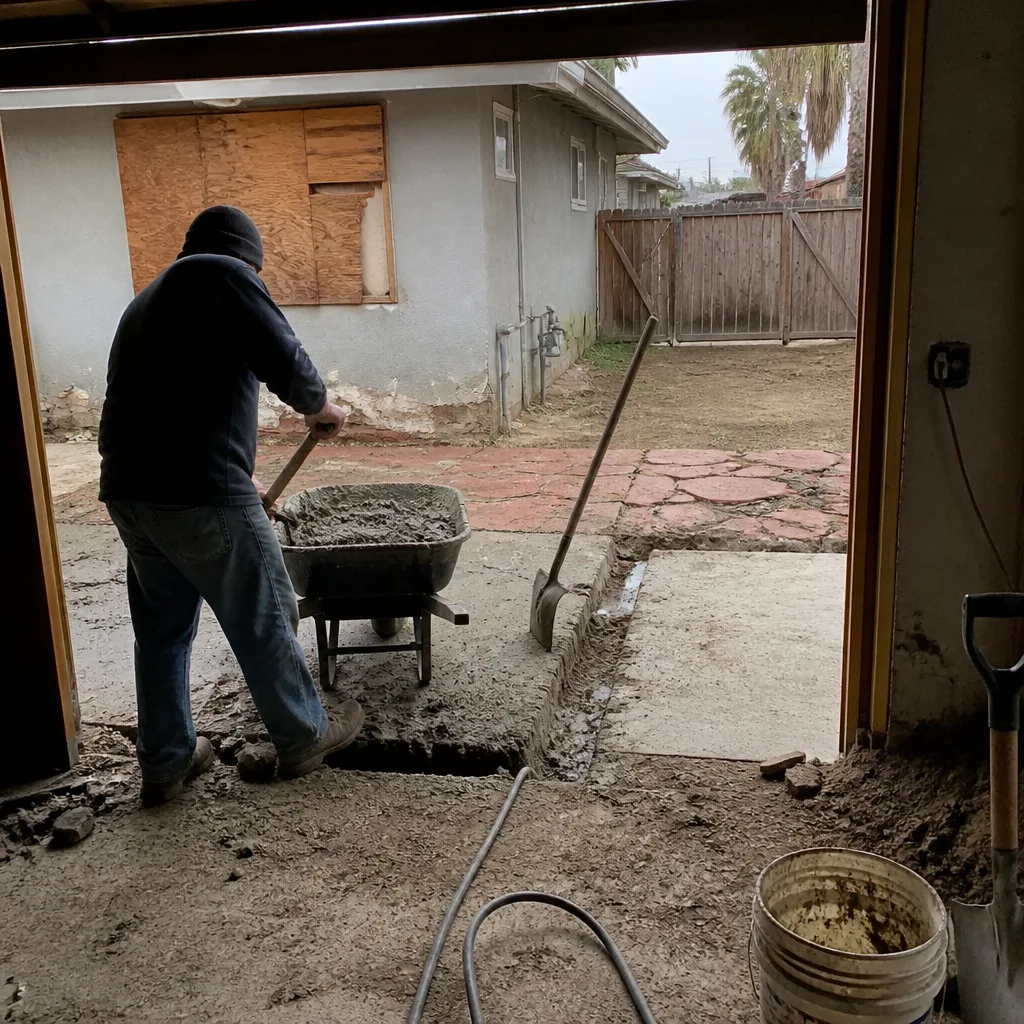 Before
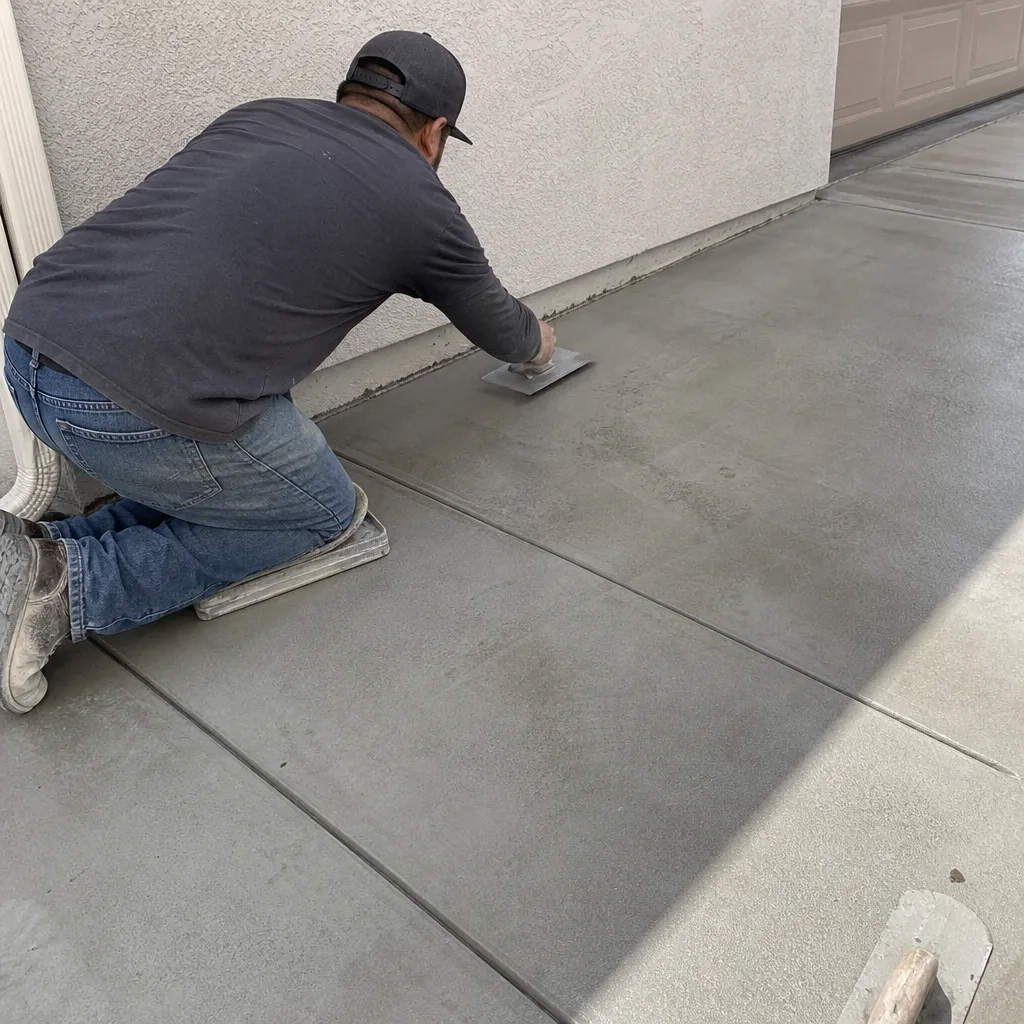 After
 Before
 After
 Before
 After