
Last updated October 30, 2026
 Home additions & ADU
 Kitchen remodeling
 Bathroom remodeling
 Roofing
 Windows & doors
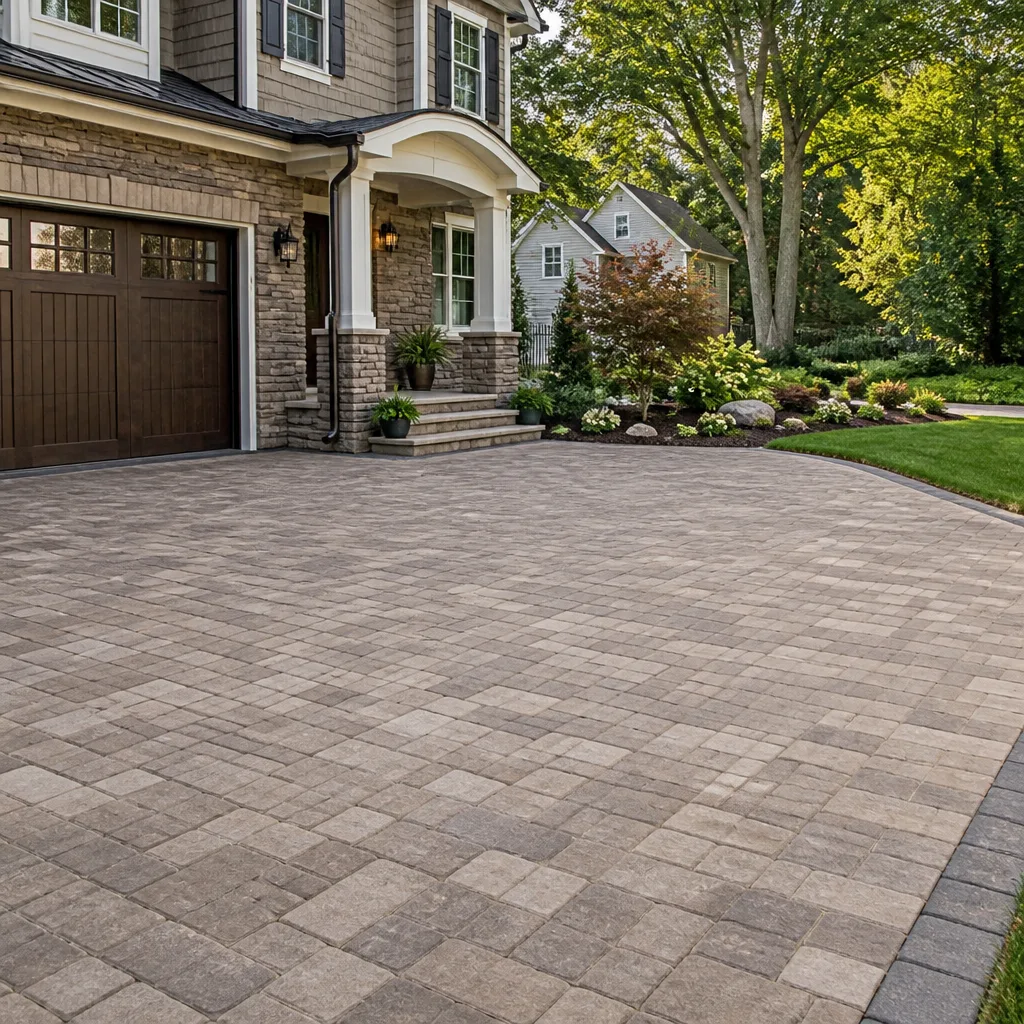 Driveway & pavers
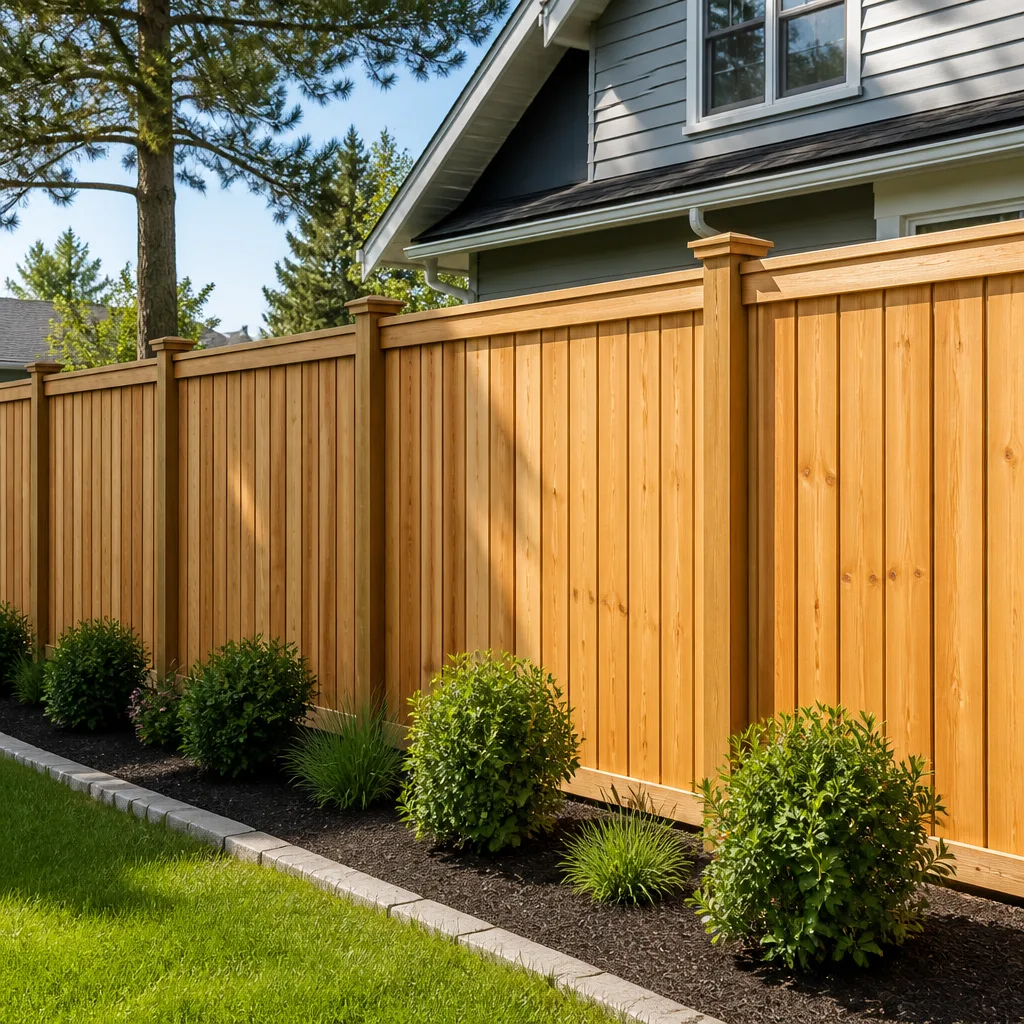 Fence
Free written scope consultation - allowances, timeline, and change-order rules on paper before a single trade is scheduled
DIY vs Professional Construction: The Fontana Homeowner’s Decision Guide
Most Fontana homeowners think the DIY-versus-hire question comes down to skill. Can I swing a hammer? Can I follow a YouTube tutorial? That’s the wrong frame. California law lets you act as your own general contractor on your own home, but the moment you pull that owner-builder permit, you inherit liability that a licensed contractor carries instead. If you sell within four years, you must disclose that you managed the work. Buyers’ lenders get nervous. Insurance underwriters ask questions. The calculator changes from “what can I do?” to “what should I carry?” This guide walks through exactly where that line sits in Fontana, which trades carry warranty-void clauses for non-licensed installation, and where the genuinely safe DIY territory begins. For how to hire a construction contractor in Fontana: a step-by-step guide, see our companion resource.
Quick Answer
DIY makes financial sense in Fontana for cosmetic and non-structural work: interior painting, landscaping, cabinet hardware, non-structural tile, flooring replacement. It becomes legally risky and often more expensive on structural, electrical, plumbing, and roofing work, where California owner-builder rules create resale disclosure obligations and manufacturer warranties void without licensed installation. The practical middle ground is a hybrid model: you handle demo and finish-level labor, a licensed contractor owns every permitted phase. For details on what licensed contractors typically handle, see our General Contractor Maintenance Checklist for Fontana Homeowners.
Styles & brands we work with
Table of Contents
- What California’s Owner-Builder Law Actually Allows in Fontana
- The Warranty Void List: Which Brands Require Licensed Installation
- The Safe DIY List: Work That Won’t Backfire in Fontana
- The Hybrid Model: Where Homeowner Labor and GC Oversight Meet
- The True Cost of DIY: Tools, Waste, Permit Time, and Re-Dos
- Selling a Home with Owner-Builder History: The Disclosure Trap
- Fontana-Specific Codes and Climate Considerations
- Common Mistakes to Avoid
What California’s Owner-Builder Law Actually Allows in Fontana
California Business and Professions Code section 7044 exempts homeowners from the contractor licensing requirement when they work on their own primary residence, provided the home is not offered for sale within one year of completion. You can pull permits in your own name. You can hire unlicensed day laborers. You can manage the project yourself.
What the statute does not override is the liability structure. When you act as owner-builder, you become the de facto general contractor. If a worker is injured on your property and you have not carried workers’ compensation, you are personally exposed. If the work fails inspection, the correction orders are addressed to you. If a subsequent owner discovers a latent defect, they sue you, not a contractor’s insurance carrier.
Fontana’s permitting authority, operated through the city’s Building & Safety division, applies the same California Building Code to owner-builders and licensed contractors alike. There is no relaxed standard for DIY work. A homeowner who pulls a bathroom remodel permit in the Sierra Lakes neighborhood faces the same rough-in inspection, the same electrical panel requirements, the same final sign-off as a licensed GC would on the same project.
The practical effect we see in Fontana: owner-builders spend three to five times longer on permit management than they budgeted. A licensed contractor’s office handles plan resubmission, inspection scheduling, and correction tracking as a routine administrative function. A homeowner doing this for the first time learns the process by failing at it once or twice first.
The Four-Year Disclosure Clause
If you complete owner-builder work and sell your home within four years, California Civil Code section 1102 requires you to disclose that you acted as owner-builder on the project. The buyer then has specific legal standing to pursue you for construction defects. In Fontana’s market, where homes in neighborhoods like Northgate and Southridge move at a healthy pace, this disclosure directly affects both sale price and buyer lender appetite. A homeowner who pulls an owner-builder permit today and lists in three years has placed a legal flag on the title history that a licensed contractor’s work would not create.
The Warranty Void List: Which Brands Require Licensed Installation
Manufacturer warranties in roofing, windows, and HVAC are written with installation requirements that non-licensed installers cannot meet. This is not a marketing claim. It is contract language in the warranty documents.
Roofing Warranties and Installation Clauses
GAF and Owens Corning both publish installation requirements as a condition of warranty coverage. GAF’s system warranties, including Golden Pledge and Silver Pledge, require installation by a GAF-certified contractor. The certification requires a valid contractor license. Owens Corning’s Roofing Protection System warranty similarly mandates installation by an Owens Corning Roofing Platinum or Preferred contractor, both of which require state licensing. A Fontana homeowner who tears off and re-roofs their own home with Owens Corning Duration shingles gets the base material warranty only. The labor and workmanship component of the coverage is gone, because no licensed contractor stood behind the installation.
The same rule applies to flat-roof systems common on Fontana’s mid-century ranches and newer builds with mixed roof lines. A TPO or modified bitumen system installed by an unlicensed homeowner carries no manufacturer support on any defect claim that traces to installation, which in practice is nearly every defect claim.
Windows: Milgard, Andersen, and ViewLux
Milgard’s lifetime warranty on windows and doors is written to the original purchaser and requires installation in accordance with manufacturer instructions. The company does not specifically void coverage for homeowner installation, but defect claims on sealed units and hardware are adjudicated with installation as a factor. Andersen’s owner-to-owner warranty transfer language becomes complicated when installation quality cannot be verified through a licensed contractor’s records.
ViewLux, a brand we install regularly in Fontana window replacement projects, backs its products with warranty terms that assume professional installation. The mulling of multiple windows, the flashing details, the integration with existing stucco or siding: these are installation variables that determine whether a leak claim is honored.
The Fontana-specific pressure on windows is the combination of high summer temperatures, Santa Ana wind events, and occasional heavy winter rain. A window that seals fine in a moderate climate gets tested hard here. Improper flashing shows up as a leak the first winter. Then the warranty question becomes central, and a homeowner-installed window has a weaker position.
HVAC and Water-Heater Requirements
HVAC manufacturers including Carrier, Trane, and Rheem void compressor and heat-exchanger warranties on equipment installed by anyone other than a licensed HVAC contractor with an EPA refrigerant-handling certification. This extends beyond California licensing law into federal regulation: any system charged with refrigerant requires an EPA Section 608 certification, which an unlicensed homeowner cannot legally obtain for the purpose of self-installation. The result is practical: no Fontana homeowner can legally install a central air conditioning system themselves and retain warranty coverage. The same applies to water heaters in most installations, where gas-line connections trigger both code and utility requirements.
The Safe DIY List: Work That Won’t Backfire in Fontana
Plenty of construction-adjacent work is genuinely safe and cost-effective to do yourself. The key is knowing which categories do not carry legal, warranty, or resale exposure in Fontana.
Interior Painting
No permit required. No warranty implications. Labor is the majority cost of painting, and a careful homeowner with decent equipment can match professional results on interior walls. Budget for quality: mid-tier paint from Benjamin Moore or Sherwin-Williams runs $45 – $70 per gallon, and Fontana’s dry climate means walls accept paint well year-round. The biggest DIY mistake we see is skipping drywall repair before painting and then blaming the paint when the texture telegraphs through.
Landscaping and Hardscaping Prep
Lawn removal, plant selection, soil amendment, irrigation line repair on existing systems: all safe DIY territory in Fontana. For paver patios, the labor of excavation and base preparation is DIY-possible, but the actual paver installation, compaction, and edge restraint are where we recommend professional involvement. Belgard and Unilock pavers carry installation requirements in their warranty language. A paver patio that fails in Fontana’s shrink-swell clay soils does so at the base level, and redoing it means pulling and relaying the entire surface, not just fixing one stone.
Cabinet Hardware and Non-Structural Tile
Swapping pulls and hinges on KraftMaid or Wellborn cabinets requires nothing more than a drill, a template, and patience. This is genuinely free DIY value. For tile backsplashes in kitchens and non-wet-area walls, a careful DIY installer with a good wet saw can achieve professional results. The caveat is wet-area tile: shower pans, tub surrounds, and any surface with a waterproofing membrane underneath. Tile failure in these areas in Fontana is almost always a waterproofing failure, not a tile failure. The re-do cost exceeds the original project cost. Leave shower work to someone who will warranty it.
The Hybrid Model: Where Homeowner Labor and GC Oversight Meet
The smartest Fontana homeowners we see are not fully DIY or fully hands-off. They operate in the middle: they perform labor phases that have no legal or warranty exposure, and they hire a single general contractor in Fontana to own every permit, structural, and warranty-sensitive phase.
The hybrid model works like this:
- Demo: The homeowner tears out old cabinets, flooring, and non-structural walls. This is labor-intensive but legally safe and saves $1,500 – $4,000 per room depending on scope. The GC’s trade team handles the structural verification and debris hauling.
- Material selection: The homeowner picks specific products: Cambria quartz for countertops, Kohler fixtures for the bathroom, GAF shingles for the roof. The contractor orders through trade accounts and handles delivery coordination.
- Permitted and structural phases: The contractor handles all wiring, plumbing, framing, roofing, and window installation, all under the project’s single permit record and single insurance policy.
- Finish-level DIY: Painting, hardware installation, landscaping, and fixture trim pieces are homeowner territory if requested. The contractor walks the final product to confirm everything meets the permitted scope.
The advantage of this model in Fontana is accountability. When a home remodeling project in Fontana runs under one contractor’s permit and supervision, the inspection history is clean, the warranty stack is intact, and the resale disclosure obligation is limited to what the homeowner actually did: paint, demo, hardware. That is the efficiency of a hybrid model done correctly.
From our perspective as a contractor who also installs whole-home renovation packages in Fontana, the homeowners who have the easiest projects are the ones who set the material direction clearly and let the licensed team execute the permitted phases. The brand conversation gets simpler: you pick the brand, we handle the build. Therma-Tru for the entry door, James Hardie for the siding, Cambria for the counters. The brand-specific installation requirements all get met by a licensed team.
The True Cost of DIY: Tools, Waste, Permit Time, and Re-Dos
DIY savings rarely calculate as cleanly as the labor-cost difference suggests. The honest spreadsheet includes line items most homeowners discover mid-project.
Tool and Equipment Costs
A proper demolition project needs a reciprocating saw, a demo bar, a utility knife with a supply of blades, a wheelbarrow, and personal protective equipment. Renting a demolition hammer from a Fontana tool rental shop runs $60 – $90 per day. A tile saw rental runs $45 – $80 per day. A framing project needs a miter saw, a circular saw, a level collection, and clamps. An owner-builder typically spends $800 – $1,500 on tools and rental fees before the first inspection.
Material Waste
Professionals buy by the trade formula and order with waste factors built in. A homeowner estimates by eyeballing. The result is consistently one to two extra trips to the lumberyard or tile supplier, plus excess material that goes to landfill. On a $6,000 tile project, a 10 percent waste miscalculation equals $600 in extra material alone. On lumber, a miscut or two per framing project is standard for a first-timer.
Permit Self-Management Time
A Fontana building permit moves through plan check, correction cycles, and inspection scheduling. Homeowners report spending between 15 and 40 hours total managing a single-room permit process. That time includes trips to City Hall, phone tag with inspectors, and waiting for resubmission approval. If a homeowner’s time is worth $40 per hour in earned income, a 25-hour permit process costs $1,000 in opportunity cost.
Re-Do and Correction Costs
Failed inspections trigger correction orders. Correction orders trigger more inspections. Every failed electrical rough-in or plumbing pressure test extends the project timeline and usually adds material cost. A homeowner who fails a shower-pan flood test once, then fails a corrected version once more, has now spent three days on a task a licensed plumber would complete in one morning. The accumulated cost of re-dos in Fontana owner-builder projects, in our observation, often equals or exceeds the initial intended savings. For help diagnosing issues before they multiply, see our General Contractor Troubleshooting: Common Problems and How to Fix Them.
Selling a Home with Owner-Builder History: The Disclosure Trap
California’s Real Estate Transfer Disclosure Statement is the document that turns a completed owner-builder project into a negotiation liability. The form asks directly whether the seller has performed any construction as an owner-builder on the property. Answering yes triggers a cascade of follow-up questions and buyer-side investigation.
Fontana buyers and their agents know what to look for. An owner-builder disclosure on a home in a neighborhood where most comparable sales have licensed-contractor renovation histories gives the buyer a price-reduction argument. The argument is not necessarily fair, but it is effective in negotiation: a disclosed owner-builder project carries unquantified risk, and buyers discount for uncertainty.
The timing matters specifically. The four-year window after completion dictates whether you must disclose at all. A homeowner who finishes a permitted owner-builder kitchen remodel in 2025 and sells in 2027 is within the window. One who sells in 2030 is outside it. Most Fontana homeowners we speak with do not think about the disclosure obligation when pulling the permit. They think about it when the listing agent brings the TDS to the closing table.
The workaround is simple and legal: hire a licensed San Bernardino Contractors home team for any work you would not want to disclose. The permit is pulled under the contractor’s license. The project history on the title is clean. The disclosure obligation dissolves.
Fontana-Specific Codes and Climate Considerations
Fontana’s position at the base of the Jurupa Mountains and its inland climate combine to create specific construction stress points that DIY work should account for.
Climate and Heat
Summer high temperatures regularly exceed 100°F in Fontana, and roof decks here see surface temperatures of 140°F or higher. This heat cycling affects material performance: asphalt shingles need proper attic ventilation to avoid premature granule loss and curling; window frames experience thermal expansion that tests seal integrity; caulk joints on painted exterior surfaces dry and crack within two to five years. A roofer who understands Fontana’s specific ventilation math, a window installer who sizes expansion gaps for this climate’s temperature swing, and a painter who selects the right caulk formulation for this UV load are all solving problems a generic tutorial cannot address.
Santa Ana Wind Loads
Santa Ana wind events in the Fontana area can exceed 60 mph in gust patterns. Roofing manufacturers publish wind-warranty requirements, and the installation details for a GAF or CertainTeed system depend on the wind zone. Under-driven nailing patterns, missing starter strip, or skipped drip edge all show up as blow-off damage the first high-wind season. Wind-driven rain during Santa Ana events also finds window flashing weaknesses that never appear in normal weather.
San Bernardino County Perimeter Drainage
Fontana properties on the older grid and in foothill-adjacent neighborhoods deal with drainage from the San Gabriel and San Bernardino mountain runoff systems. Hardscaping, retaining walls, and foundation work on these properties require drainage planning specific to the lot’s position. A DIY paver patio on a poorly drained Fontana lot leads to base failure and settlement within one rainy season. A professional hardscape installation starts with the drainage design and builds up from there.
Common Mistakes to Avoid
- Confusing paint skill with trade skills. Interior painting skill does not translate to electrical, plumbing, or carpentry. Fontana homeowners who excel at finishes and then attempt a load-bearing wall removal are the most common owner-builder failure pattern we see. The consequences are structural, inspected, and expensive.
- Pulling an owner-builder permit for a project with a sale on the horizon. The four-year disclosure window should be the first calculation, not the last thought. If there is any chance of selling within four years of completion, the owner-builder route adds a negotiation liability.
- Skipping the drain-waste-vent permit on a bathroom remodel. A surprising number of Fontana DIY bathroom remodels proceed without plumbing permits. The work looks finished and functions initially, then fails a future inspection during resale, triggering code-violation correction.
- Assuming all roofing warranties are the same. GAF, CertainTeed, Owens Corning, and IKO each write warranty terms with different contractor and installation requirements. A roof installed by a homeowner or unlicensed handyman carries base coverage only. The workmanship component is gone.
- Ignoring soil movement. Fontana clay soils expand and contract with moisture. Hardscaping, fence posts, and concrete work need proper base preparation and depth calculations. A fence installed without accounting for soil swell season leans within two years.
- Ordering material without checking the brand’s installation requirements. Cambria quartz installation requires certified fabricators. James Hardie siding installation requires specific fastening schedules. Therma-Tru door installation requires specific flashing details. Buying the material without reading the installation fine print creates warranty surrender by oversight.
- Underestimating disaster exposure during a partially completed DIY project. A torn-off roof left exposed overnight during a wind event, a saw unplugged but still wired into a live circuit, an open trench: each of these creates liability a licensed contractor’s insurance would cover. The homeowner’s standard policy may exclude construction-related losses on an owner-builder site.
See the difference
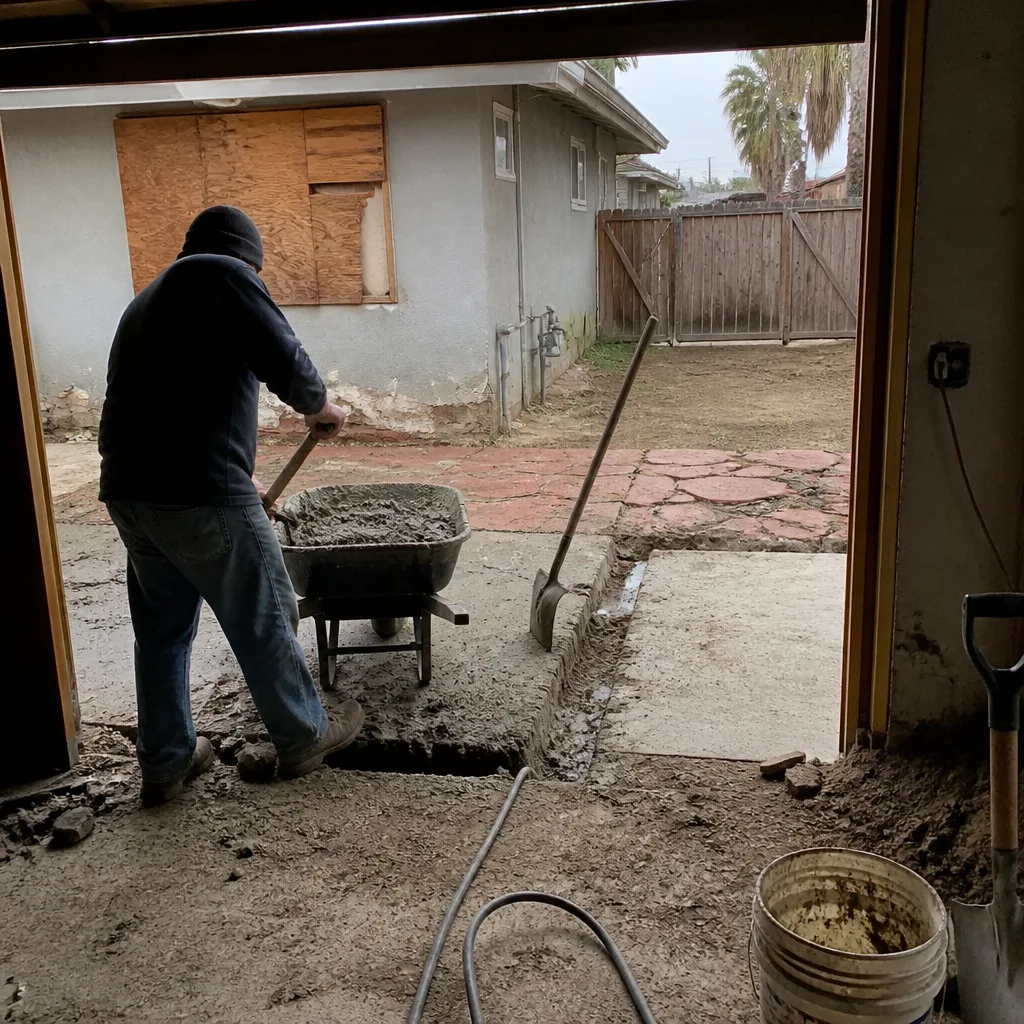 Before
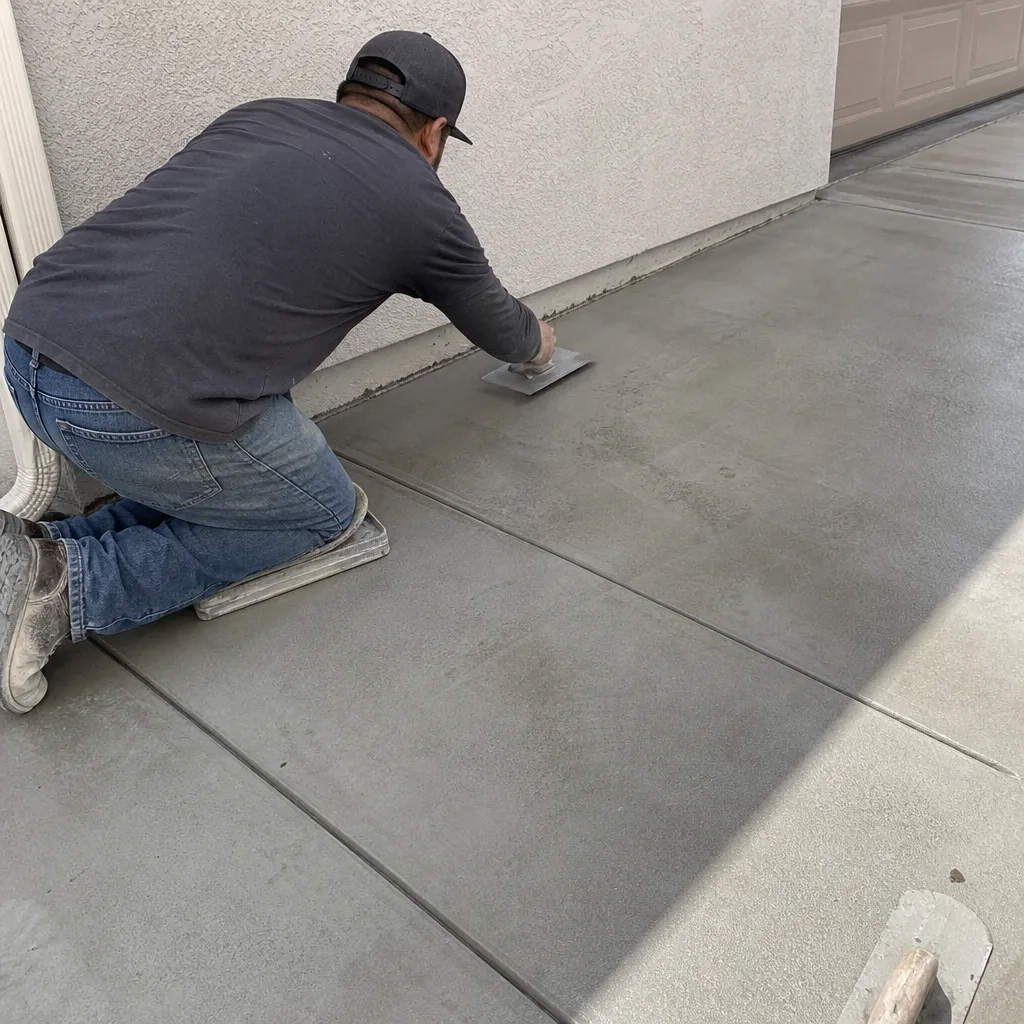 After
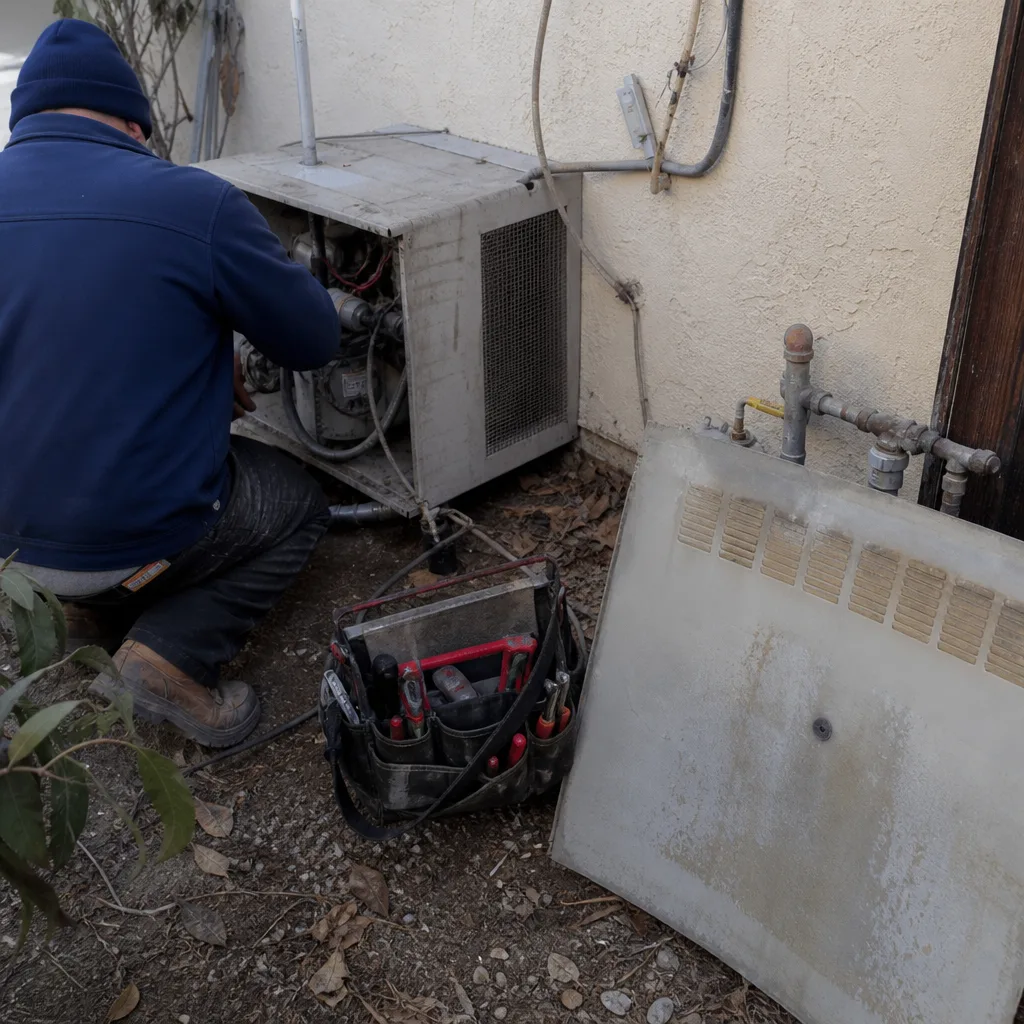 Before
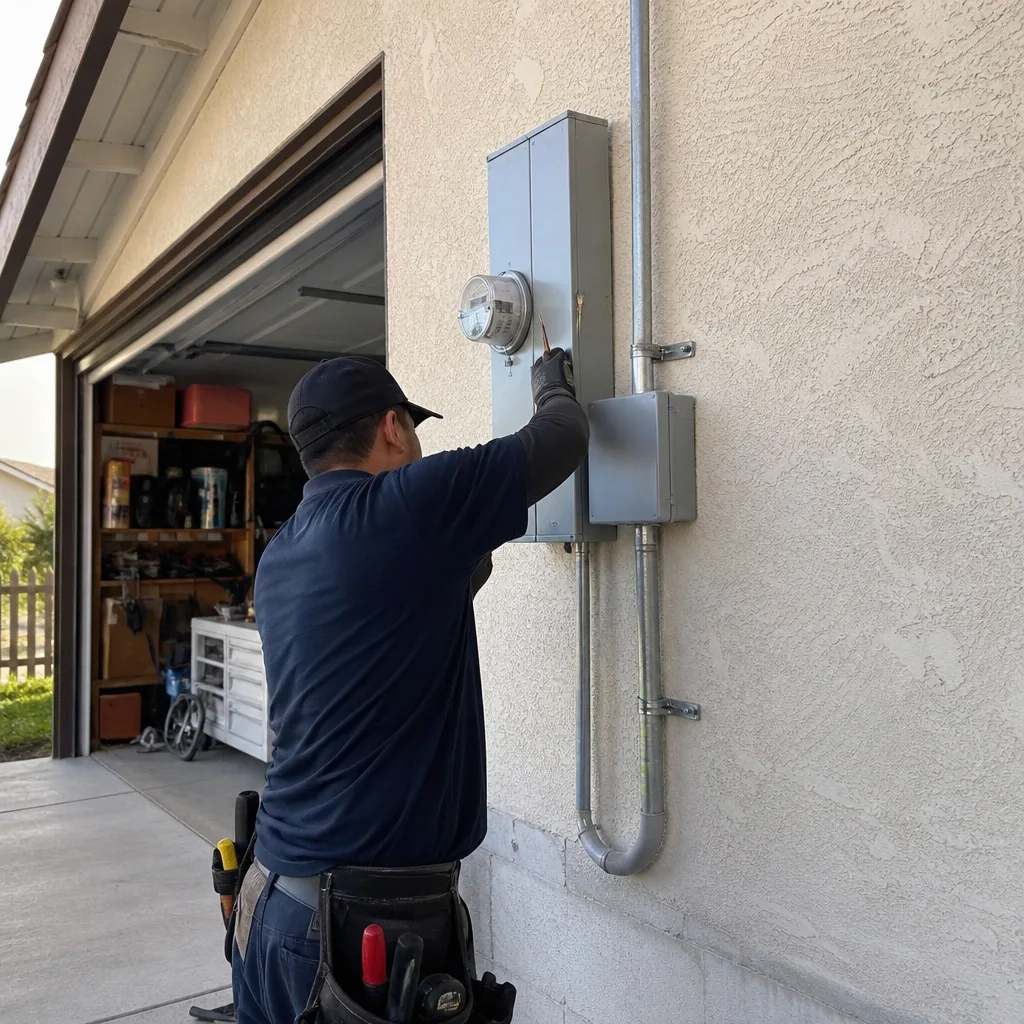 After
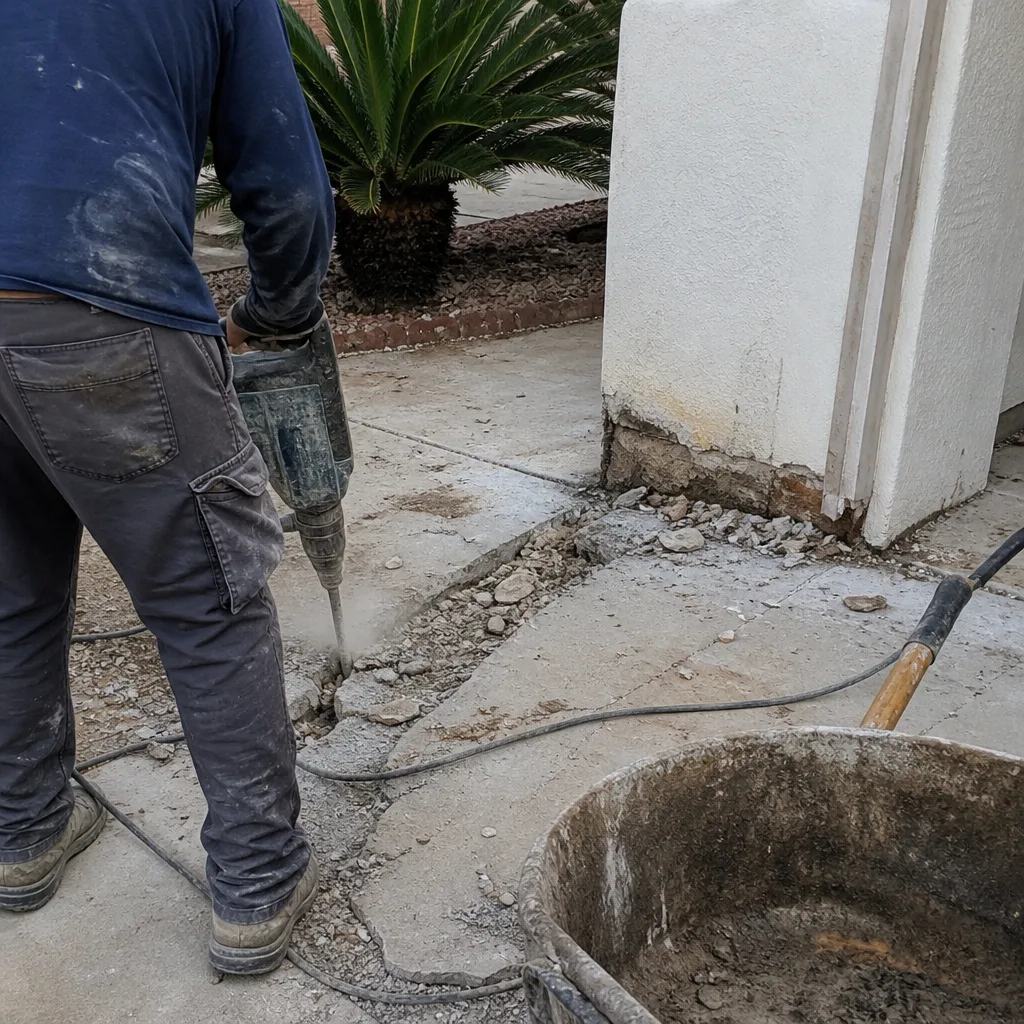 Before
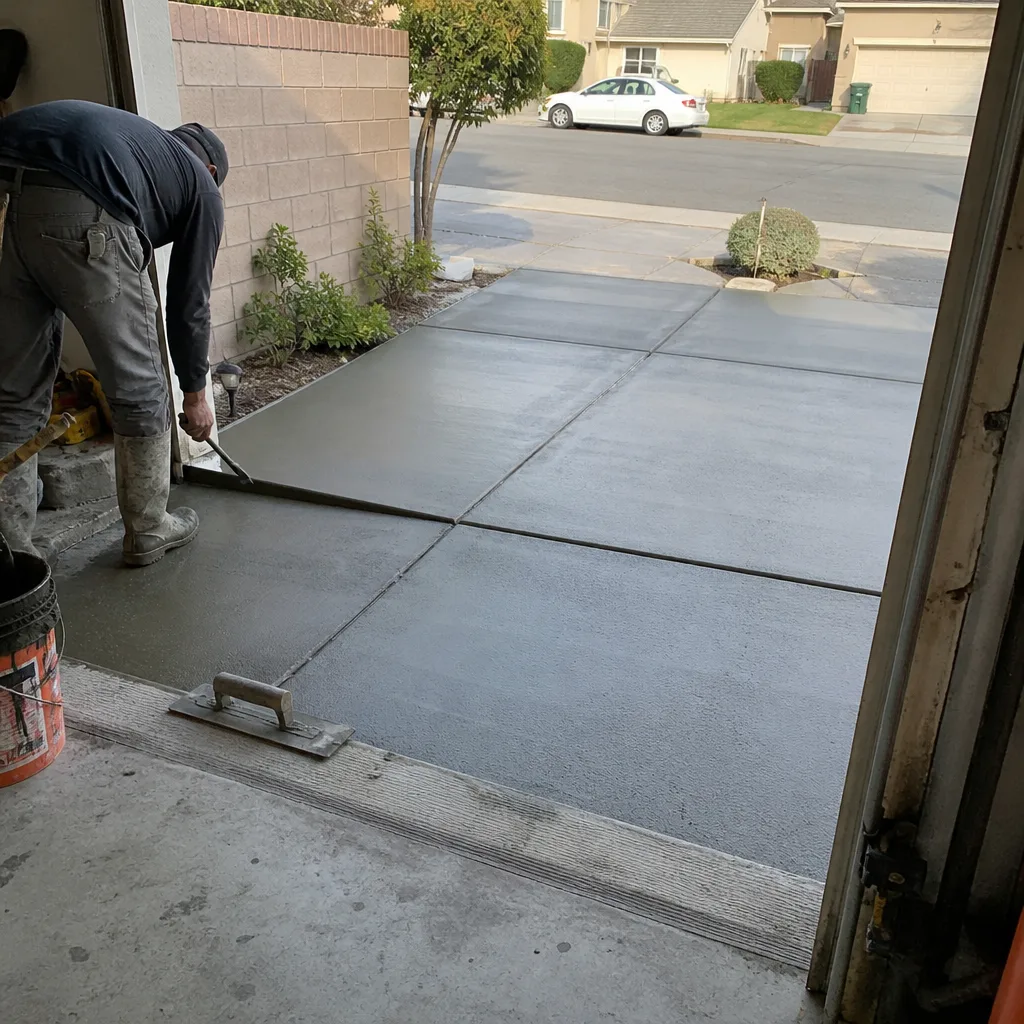 After
When to Call a Professional
Call a licensed contractor when the project touches structure, electrical panels, gas lines, plumbing drain-waste-vent, roofing, window replacement, waterproofing, or any hardscape with structural retention. Call a contractor when the warranty matters to you, when the resale timeline is less than four years out, and when the project’s failure mode would cost more to fix than the original project cost. Fontana’s permit process is exacting, and the city’s inspection cadence is strict, regardless of who pulls the permit. San Bernardino Contractors offers free estimates in Fontana – call (855) 473-5620.
Frequently Asked Questions
Yes. California Business and Professions Code 7044 allows a homeowner to act as owner-builder on their primary residence, pulling permits in their own name and managing trades directly. However, the statute also creates liability exposure: you inherit contractor-level responsibility for worker safety, code compliance, and construction defects, and you carry a four-year resale disclosure obligation on the work. For a managed alternative, call (855) 473-5620.
Never DIY electrical panel work, gas-line modifications, roof replacement, window replacement, shower waterproofing, or structural wall removal. These categories carry either severe injury risk, warranty-void clauses from manufacturers like GAF and Milgard, or code-compliance requirements where a failed inspection means a full re-do. Licensed contractors carry the required training, insurance, and manufacturer certifications for these scopes.
Yes, in practical terms. GAF’s system warranties require installation by a GAF-certified contractor, and Owens Corning’s Protection System requires a Platinum or Preferred installer; both certifications require a state license. Owner-installed roofs retain only base material coverage, which excludes the labor and installation defects that cause most roof failures.
On a single-room interior remodel, DIY savings run 20 – 35% of total cost before accounting for tool purchases, material waste, permit management time, and re-do corrections. Once those costs are added, most Fontana homeowners save 10 – 15% on a successful project, but a single failed inspection or botched waterproofing detail can erase the savings entirely. Call (855) 473-5620 for a free estimate on the permitted phases.
If you complete owner-builder work and sell within four years of completion, California Civil Code 1102 requires disclosure to the buyer. The disclosure gives the buyer standing to pursue construction-defect claims and typically becomes a price-negotiation point in Fontana resale transactions. Licensed contractor work does not trigger this obligation.
Yes, this is the hybrid model and it works well in Fontana when structured correctly: the homeowner handles non-structural demo, painting, hardware, and finish-level labor, while the contractor manages all permitted, structural, and warranty-sensitive phases under a single project record. This captures real savings without creating owner-builder resale exposure. San Bernardino Contractors structures hybrid projects regularly – call (855) 473-5620 to discuss one.
The Bottom Line
The DIY versus professional decision in Fontana is a legal and warranty calculation before it is a skill calculation. For more guides & resources on navigating this decision, explore our blog. Safe DIY territory exists and is worth claiming: painting, landscaping, hardware, non-structural tile. The danger zone is structural, electrical, plumbing, roofing, and window work, where manufacturer warranties require licensed installation and California’s owner-builder disclosure rules create resale friction. The most efficient model for most Fontana homeowners is hybrid: you do the labor you legally can and want to do, and one contractor owns the rest. Single point of accountability, clean permit history, intact warranties. The math favors less than the instinct suggests, and the instinct usually misses the four-year disclosure clock.
Written by the team at San Bernardino Contractors, serving Fontana since 2015.